Book clubs

Why is there so little protest about Russia’s brutality towards Ukraine?

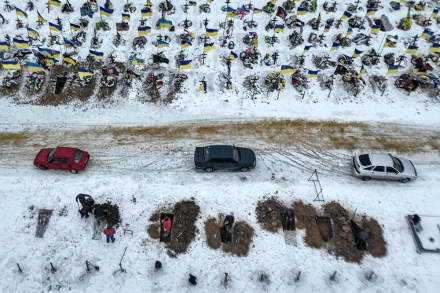
Reporting of the war in Ukraine suffers from the tendency of journalism to exaggerate a trend. The most recent one has been Ukraine’s success in drone attacks on key energy and strategic sites deep inside Russia. These are indeed innovative and prodigious. The Russian summer offensive has also failed to break through. This leaves too little room, however, to cover fully the dramatically worsening plight of Ukrainian civilians. Olga Rudenko, editor-in-chief of the Kyiv Independent, said this week: ‘Even if you think you’re used to everything, you are not.’ Russia has switched tactics from big, one-off aerial bombardments to almost continuous drones. In Kyiv one day last week, the air-raid sirens signalled 13 different attacks.
The questions Cambridge still has to answer about Jason Arday

If poor Jason Arday killed himself, it will be necessary to work out why. To do so, it will help to know why he resigned his professorship. It seems highly unlikely he resigned if Cambridge University did not want him to. It had defended him in public throughout, after all. Yet if he had been confident of Cambridge’s continuing support, why did he sacrifice the benefit of its protection? If Cambridge suggested to him that its protection would, for whatever reason, shortly cease, what caused its change of mind? What a terrible shock for him if the institution which had raised him so high was now ready to cast him out. Is the institutional attack on the press over this matter a deflection from the truth?

The Xi files: how China spies

From our UK edition

38 min listen

This week: The Xi files: China’s global spy network. A Tory parliamentary aide and an academic were arrested this week for allegedly passing ‘prejudicial information’ to China. In his cover piece Nigel Inkster, MI6’s former director of operations and intelligence, explains the nature of this global spy network: hacking, bribery, manhunts for targets and more. To discuss, Ian Williams, author of Fire of the Dragon - China's New Cold War, and historian and Guardian columnist Simon Jenkins joined the podcast.. (02:05) Next: Lara and Gus take us through some of their favourite pieces in the magazine, including Douglas Murray’s column and Gus’s interview with the philosopher Daniel Dennett.

Fight club: when book groups turn nasty

From our UK edition

‘Small friendly village book club is looking for three or four new members.’ I was infuriated to read this in our village newsletter, an alternative to the parish magazine. I had just been ‘cancelled’ by this ‘friendly’ club from featuring at one of their evenings. A text, sent by a hitherto pleasant woman who’d liked my last book, explained: ‘There are many hurt feelings in the village. We in the book group believe that your email, put on the parish council notice board, was hurtful and upsetting. So the feeling is that at the moment it would be better to postpone your visit.’ ‘Hurt’ seems to be a current buzzword for those who don’t share others’ views.

The best theatre podcasts

From our UK edition

All the world’s on stage again so where to go to for insight into what to see and why? Podcasts, of course. Lowe’s ‘luck’ is that he happens to be friends, neighbours, or have starred, with everyone he interviews Let’s start with Literally! With Rob Lowe. An hour-long conversation between the most swoonable actor in the world who we’ve all forgotten, and everyone he knows and likes, from Alec Baldwin and Oprah Winfrey to St Elmo’s Fire co-star Demi Moore. It’s a wonderful and eye-opening listen. Lowe combines the enthusiasm and curiosity of the best interviewers with a knowledge and experience that makes conversation flow until the cup spilleth over.