Bombs

How the terrorists of the 1970s held the world to ransom

From our UK edition

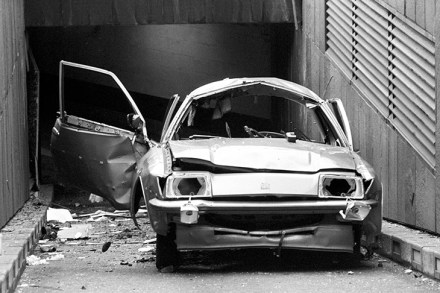
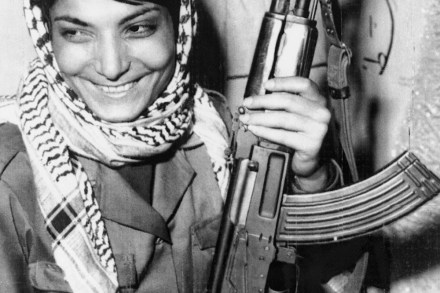
At the end of the 1970s, the Illustrated London News printed a special edition to commemorate the decade. What did it focus on? Music, from David Bowie to Bob Marley? Some of the best films Hollywood has ever produced, from The Godfather on? Political crises, such as Watergate and the end of the war in Vietnam? No, there was only one headline: ‘The 1970s: The Years of Terrorism.’ We forget – and perhaps we want to – quite how brutal and random that time could be, with plane hijackings, the Munich Olympics atrocity and bombs going off from the Tower of London to Washington to Singapore, where the Japanese Red Army caused mayhem. In a superb and monumental book, Jason Burke details the principal movements that flourished and to a surprising extent nurtured each other.
Fordow in a fortnight?

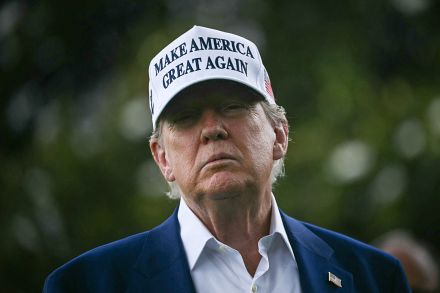
The decision whether to use American planes and bombs to demolish Iran’s Fordow nuclear facility is the most consequential of Donald Trump’s presidency. Iran’s hardened facility is buried deep inside a mountain, well beyond the striking power of Israeli fighter jets. The question is whether the US will use its B2 bombers to destroy Fordow with the mammoth, deep-penetrating bombs that only US planes are big enough to deliver. Whether to drop those bombs is the decision that now awaits President Trump. Reports are that he has already approved the strike plans but has not authorized their implementation. That’s the final decision that he has said he will make within two weeks. Two weeks, however, is the outside limit.

Why bombing Mexican cartels is a bad idea

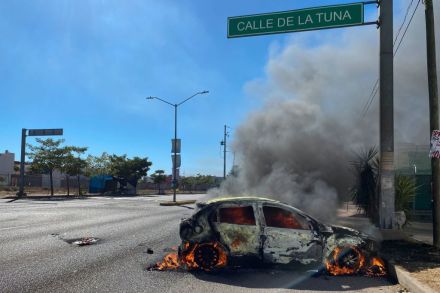
Responding to a voter during a campaign stop this week, Florida governor and 2024 presidential candidate Ron DeSantis endorsed a once fringe idea that is becoming increasingly mainstream in Republican policy circles: that the United States has the right, indeed obligation, to use military force in Mexico to protect the American people from drug cartels. And yes, that includes the use of US drones, a revolutionary military technology the US military and CIA have deployed repeatedly to target terrorists in countries such as Afghanistan, Iraq, Libya and Somalia (among others).  "We will absolutely reserve the right if they’re invading our country and killing our people,” DeSantis told the voter.

mexican cartels mexico

The Belfast Blitz: These Days, by Lucy Caldwell, reviewed

From our UK edition

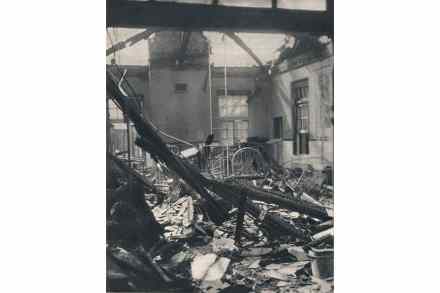
Caught outside at the start of a raid in the Belfast Blitz as the incendiary bombs rain down, Audrey looks up at the sky, transfixed by its eerie beauty. She watches ‘the first magnesium flares falling, bursting into incandescent light, hanging there over the city like chandeliers’. It is the sort of thing you never forget, she thinks, ‘not in a lifetime’. This scene in These Days, by the Northern Irish writer Lucy Caldwell, brilliantly captures familiar territory for anyone who has read about the Blitz. The awe at the peculiar beauty, the feeling that this is unforgettable and will change people forever, the desire to domesticate these undomesticated happenings (the chandeliers): all this comes up often in fiction and memoir from the period.

Dark days for Britain: London, Burning, by Anthony Quinn, reviewed

Not long ago, a group of psychologists analysing data about national happiness discovered that the British were at their unhappiest in 1978. Reading Anthony Quinn’s enjoyable novel set in that year and early 1979, it’s not difficult to see why. In case you’ve forgotten, strikes were spreading like wildfire. The National Front were reaching a peak of popularity. Most alarming of all, the Provisional IRA were expanding their bomb attacks on mainland Britain. There were compensations. Kate Bush’s whiny lament ‘Wuthering Heights’ was released in 1978, and there was a new Pinter at the National Theatre (Betrayal). Punk rock was going commercial.

The pipe bombs could actually help Trump in the midterms

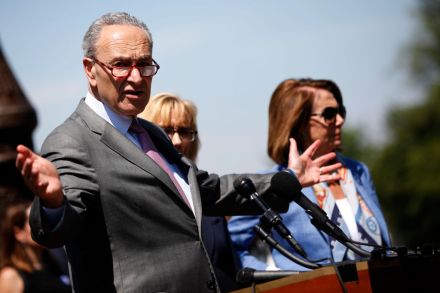
Seven days before the Brexit referendum, the Labour MP Jo Cox was out campaigning for Britain to remain in the European Union, when she was shot, stabbed and murdered by a far-right maniac shouting ‘Britain First’. People were shocked, and shock instantly turned to rage. This is what happens, they said, when you fan the flames of right-wing extremism. Pundits pointed at a provocative UKIP poster that showed a queue of migrants from the developing world and said, in Trumpian capitals, BREAKING POINT. That was a clear incitement to violence, they said. The whole political/media class thought that was that. The staff at Vote Leave (the official, pro-Brexit campaign, who hadn’t put out that poster) were despondent.

pipe bombs chuck schumer nancy pelosi