Bianca Bosker

The Spectator’s 2024 Books of the Year

William Boyd It makes grim, compelling and minatory reading, but Hitler’s People (Penguin, $35) by Richard J. Evans is not only the only book you ever need to read about Nazi Germany but a salutary example of what happens when crazed populist leaders win power. Twenty-two short portraits of the key players and lesser apparatchiks of the Nazi years manage to encompass the whole history of the Third Reich and its baleful legacy. Evans’s hundred-page chapter on Hitler — the “Boss” — is masterly. Evie Wyld’s fourth novel, The Echoes (Knopf Doubleday, $28) with its edgy and moody supernaturalism (the narrator is a ghost) establishes her growing reputation as one of our finest young writers.

books

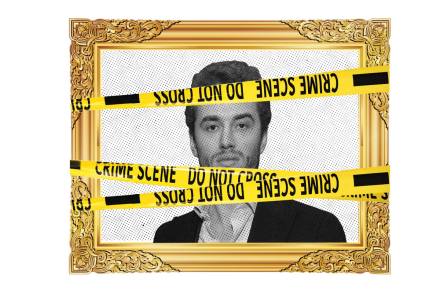
Inigo Philbrick, the art world’s wheeler dealer stealer

A few months after going on the lam in late 2019, the thirty-two-year-old wunderkind art dealer Inigo Philbrick sent his friend and colleague Orlando Whitfield a trove of documents. Philbrick wanted his old friend to write a sympathetic account of the misdeeds he stood accused of — since described as the biggest art fraud perpetrated in US history, for which Philbrick was later convicted and imprisoned. Whitfield has instead written All That Glitters, a memoir chronicling their friendship and dealings during a heady “gold rush” decade in the art world. Going through Philbrick’s correspondence and the court documents, Whitfield realized his friend was not the person he purported to be, certainly not the one his clients believed he was.

Philbrick

Bianca Bosker’s snapshot of the art scene

Early on in her entertaining account of five years immersed in the New York art scene, author Bianca Bosker is informed that, as far as the art world is concerned, because she is a journalist, she is the “enemy.” Given that the job of a journalist is to find things out, then explain and communicate those findings, it is unsurprising that a hermetic, deeply self-protective society like the art world would be resistant to journalistic inquiry. In reality it’s not just Bosker’s profession that makes it difficult for her to get past art’s gatekeepers, but a whole litany of personal and social failings that are gleefully enumerated by an art dealer early on.

Bosker