Ben Stiller

The Severance season two finale is of a quality rarely seen on TV

Burned by the backlash to Lost, Damon Lindelof went in a new direction for his following show, The Leftovers. It also had a mystery at its center: why did a rapture happen where 2 percent of the world’s population instantly vanished on a random Friday? But whereas Lost set up an expectation of answers, only to disappoint, The Leftovers made it clear that there were no answers to this mystery. Over its unfortunately abrupt three seasons, neither the viewers nor the characters would ever find out why this event happened or what it meant; why some people were taken and why others were left behind. It wasn’t a puzzle to solve but a situation to cope with and live through. It’s the greatest TV show you haven’t seen.
severance

Severance returns to the office

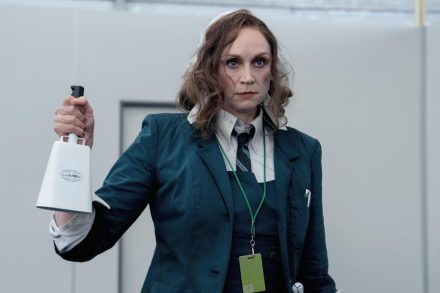
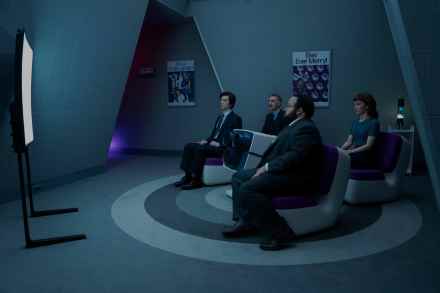
On its surface, “corporate art” is comforting and accessible. It’s bright, friendly and visually simple, featuring flat cartoon vector people — with their bendy arms and odd proportions — who are jumping, dancing, reading or running. They’re always happy. Always. This art is used in every HR manual, charity about-us page, Facebook help section and LinkedIn jobs application. It’s uniform, indistinct, impersonal and insincere. The more you see it, the more you start feeling unsettled. Severance, the Apple TV+ sci-fi office thriller show from Ben Stiller, leans into that discomfort. The managers at Lumon Industries have perfectly clipped hair and overly broad smiles with flashy grins. Their white-wall offices are clean and organized, accented with single-color carpets.

severance