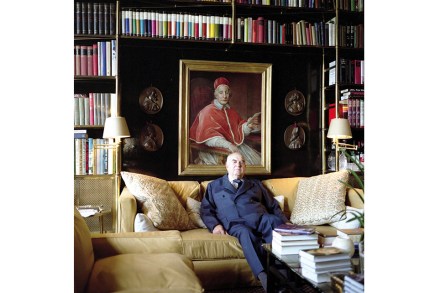
The many lives of George Weidenfeld, legendary publisher and ladies’ man
From our UK edition
‘You can go ahead,’ said the voice at the other end of the telephone. ‘The DPP has decided not to prosecute.’ It was the call that allowed the publication of Lolita, one of the greatest gambles of George Weidenfeld’s career. The moment George – it is impossible to think of him as anything other than George – had read this controversial book, available from the Olympia Press in Paris, known for its pornographic list, he had wanted to publish it himself; but as the law then stood, it would have been pulped immediately, owing to its story of a middle-aged professor who becomes obsessed with a 12-year-old girl and kidnaps and sexually abuses her.