Baking

Loser’s: the campy and ironic bakery making made-to-order cakes

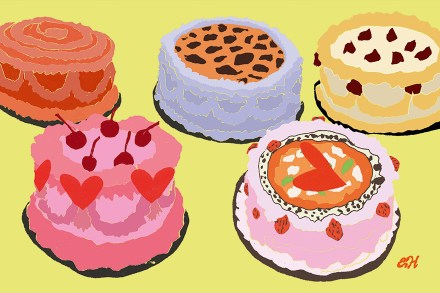
Going downtown in New York used to be cool. Before Soho became a glorified shopping mall, it was a haven for starving artists. Before Chelsea became family-friendly, Michael Alig was throwing Blood Feast parties at the Limelight. The rebel heart of downtown, which attracted generations of avant-garde creatives, is much harder to find today. All of Manhattan has seemingly “gone uptown.”  But Loser’s Eating House, a made-to-order bakery operating out of a tiny Soho ghost kitchen, is still serving up a little slice of downtown realness. Loser’s style is campy and ironic. The cakes rely on exaggeratedly large piping, done in a purposefully messy style Loser’s was launched in 2021 by baker Lizzy Koury, who was, until very recently, her company’s sole employee.

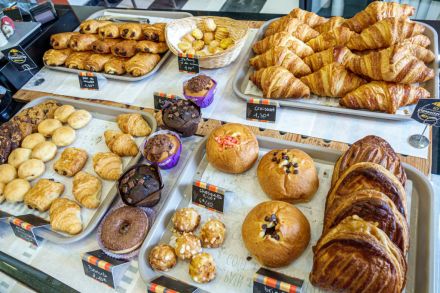
Is this the end of the French croissant?

Occasionally, a French person reveals – without any malice or superciliousness – that they run on an alternative operating system from us Brits. And on an entirely different motherboard from our American cousins. Over the years of gathering supporting anecdotes, a surprising theme has emerged: butter. Take my first visit to Paris, more than 30 years ago. I innocently asked for butter with my croissant. Simple answer: “Non.” Naturally, I remonstrated. The waiter retorted: “A croissant eeez butter!” And, in fairness, he had a point. Upon biting into said viennoiserie, I had to concede: it was nothing like the dry grocery store versions I was used to. Moments later, a small pot of raspberry confiture was graciously placed on my table.

croissants

Don’t let science stop you from baking

Sometimes, cooking is art. Other times, it’s science. When it comes to baking, both are involved, which is what can cause problems for those who are otherwise skilled in the kitchen. Whereas throwing together ingredients and tossing them in the slow cooker or on the grill can produce delicious results, baking demands precision. I have experienced great successes when making a host of dishes that don’t require me to get overly scientific A little too much sugar in the dough can cause cookies to flatten, caramelize or end up burned. Setting an oven to the wrong temperature – or failing to preheat – can produce bread or cakes that are unevenly cooked.

baking

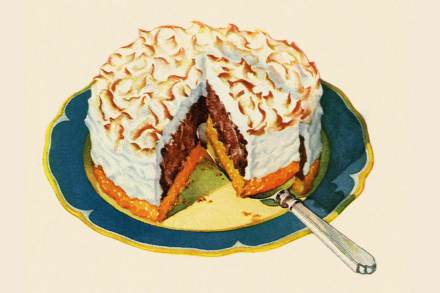
Baked Alaska has become more accessible than ever

This doesn’t feel right. I am wrapping plastic around a freshly baked cake, preparatory to putting it in the freezer for thirty minutes. Then, I’m supposed to take it out and gingerly unmold a bowl of ice cream on top of it. Back into the freezer after that for another hour or so. The bowl of ice cream is lined with plastic wrap and filled with layers of raspberry sorbet, mango sorbet and chocolate ice cream. The ice cream was pressed flat to fill up all the gaps, and it went into the deep freeze two hours ago. Will it be firm enough to hold a beautiful dome shape as it unmolds onto the cake? Or will it slither and slide everywhere? I’m making Baked Alaska — or what seems to be a modern twist on it.

Baked Alaska

Pavlova: a dessert inspired by the Dying Swan

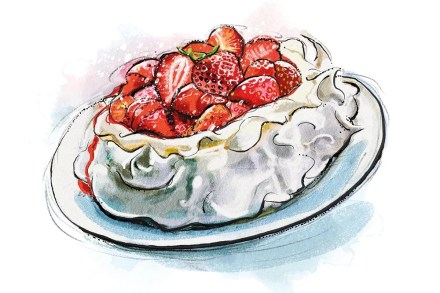
Pastry chef Alistair Wise says never to make pavlova on a rainy day. “Just forget about it,” he advises. And that’s only the tip of the iceberg when it comes to perfect-pavlova advice. Run a cut lemon around the inside of your bowl before whipping the egg whites. Don’t use fresh egg whites, but also don’t use cold egg whites. Don’t use a plastic bowl, as it may harbor grease. The bowl you do use must be scrupulously cleaned and dried... Don’t whip the whites on a “high” setting, but whatever you do, definitely don’t whip them on low. Use clean sugar — cue the desperate self-analysis of one who has never second-guessed the cleanliness of bagged sugar! Use superfine sugar, or all will be a disaster.

pavlova

How to make the perfect clafoutis

Clafoutis. Difficult to pronounce. But oh-so divine and easy to make. Originating in the Limousin region in south-central France, its name comes from the Provençal clafir, “to fill.” So popular was it “to fill” a dish with fruit and batter, that by the nineteenth century, the renown of clafoutis had spread from the Limousin to other regions of France and bordering countries. This classic and elegant summer dessert is usually made with cherries, among the first fruits to ripen, but also with other stone fruit as they appear — apricots, plums, berries and on into the fall with pears.

clafoutis

Baking mistakes: my Christmas clangers

In a world full of muffins, they say, be a cupcake. As an inspirational saying, it’s a good effort. But handsome is as handsome does: for solid worth, texture and deliciousness, give me the muffin every time. I remain open-minded and willing to be proven wrong, but it seems to me that however gloriously frosted, sprinkled, beflowered or bedazzled the exterior of a cupcake may be, its interior texture is always trying, in a socially anxious sort of way, to be cake. All the icing in the world can’t hide the strain. Allow me to suggest an alternative: in a world of Christmas cookies, be homemade shortbread. The last word in simplicity, shortbread is the Hermès scarf of the cookie world. It has confidence, identity, classical elegance.

Christmas
roman

Surviving the holidays with Alison Roman

The holidays are here. If you’re like me, you may view the year’s major baking season with slight dread, not because you’re a Scrooge, but because you lack confidence, patience or skill as a baker. Recipe developer and cooking influencer Alison Roman has written a cookbook for people like us, who find the “science” of baking frustrating compared to the “art” of cooking. The cookbook, Sweet Enough, affirms this preference; in a section called “What I Hate about Baking,” Roman lists gripes: “I hate when I mess up and feel like I wasted hours of my life.” Same. But this book, written with non-bakers in mind, is for the most part flexible and forgiving, and may well become your companion this December.

Cake for a world turned upside down

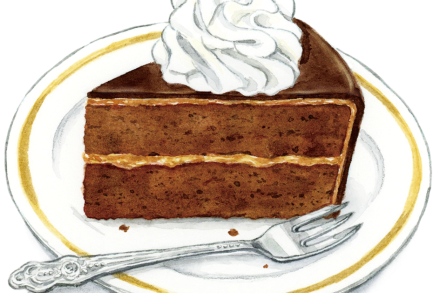
My mother, although an excellent cook, never baked. She left that to her Swedish mother, Anna, who lived with my grandfather in an apartment my father built for them over our garage in Weston, Connecticut. Anna, as I’ve written before, was a gifted baker, especially when it came to Swedish breads. I can’t remember when my mother suggested I might make my father’s birthday cake. Or why the task had been handed down to me. I was only nine or ten, but my mother was well aware that I loved to watch Anna bake, and that my curiosity needed constant nourishment. Rural Weston had no bakery in its small-town center, nor did neighboring, cosmopolitan Westport. In the 1950s, powdered cake mixes came to Westport’s Gristedes supermarket.

cake

Arise, the cupcake

Do you know the milquetoast muffin man? His name is Charlie Brooker, he’s the co-creator of the hit television series Black Mirror and he thinks cupcakes are ‘bullshit’. ‘A cupcake is just a muffin with clown puke topping,’ Brooker wrote in 2012. ’Once you’ve got through the clown puke there’s nothing but a fistful of quotidian sponge nestling in a depressing, soggy “cup” that feels like a pair of paper knickers a fat man has been sitting in throughout a long, hot coach journey between two disappointing market towns.’ I’m usually quite skeptical of gastronomic fads — the rainbow bagel and matcha ice creams can go pound sand — but I’m here to defend the cupcake.

cupcake

Upper crust: a sweeter approach to sourdough

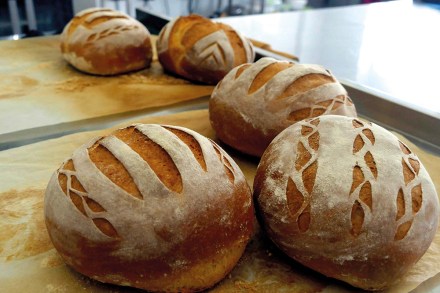
Hoping to win an election in 2020? If you’re not above buying votes, take a tip from the poet Juvenal, who described — disapprovingly, it is true — how Roman politicians in the second century used to bribe the lower classes with free sourdough bread and cutting-edge entertainment. (Yes, the Romans knew how to make sourdough — there are a few burnt loaves still around in the ruins of Pompeii). Nowadays it’s the millions of workers in the tech industry that you’ll have at your feet if you mention sourdough, but they want to bake it themselves, so you’ll do better handing out free workshops, countertop flour mills and Emile Henry bakeware.

sourdough

In quarantine, we’re all tradwives

Tie up your apron strings— it's time to get to work, ladies. The coronavirus threat has forced all of us into our homes as the CDC and the White House encourage strict measures of social distancing. The disruption to American life and the economy is no joke, and it's going to take some serious resilience and creativity to make it out the other side. The good news? Now is the perfect time to adopt the much-derided tradwife lifestyle, and it seems many women are already on board. I left my self-imposed quarantine briefly on Tuesday to pick up a few essentials at the grocery store: eggs, milk, flour, butter, sugar, and yeast.

Cupcakes tradwives