Avocado

Can Starmer and Reeves add some fizz to the economy?

From our UK edition

If the 0.6 per cent first-quarter GDP uplift reported by the Office for National Statistics is sustained for the rest of this year, Rishi Sunak will be able to claim – as he waves goodbye – that he and Jeremy Hunt have succeeded against their naysayers in dragging the UK economy from pandemic depths back to the level of ‘trend growth’, around 2.5 per cent per annum, that used to be thought of as normal. That’s spookily in line (as is the path of inflation) with Ken Clarke’s achievement as Tory chancellor in 1996 ahead of the election that swept Blair and Brown to power the following May.

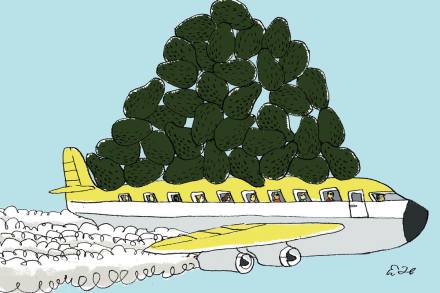
The rise of avocado anxiety

When the gastronomes of the future come to choose the food that best represents our age, they will choose the avocado. The ubiquitous fruit is everywhere: in smoothies, on toast, served at breakfast, lunch and dinner, on t-shirts and all over social media. It represents our ingenuity in supplying exotic fruit to every corner of the globe all year round, our obsession with “clean” eating, our aspiration to eat brunch and our love of anything that — even passingly — tastes a little bit like butter. But it also represents our greed, our hypocrisy, our vanity and our overwhelming anxiety.

avocado

Is it time to say adieu to avocado toast?

From our UK edition

Oh the avo. The fruit that launched a thousand tweets. This millennial Holy Grail has done more to divide generations than anything save perhaps Brexit. It has been three years since Australian property developer Tim Gurner became a hate figure for suggesting in a TV interview that it was not economic difficulty that was keeping millennials from getting on the housing ladder but a tendency to spend $19 on smashed avos for brunch. Millennials vented their anger in the only way they know how—by twitter tirade. Perhaps it would have been more fitting to pelt Tim with over-ripe avos for his audacity. To eat avocado on toast in public is now as bold and unequivocal a statement one can make on their position in the contemporary culture wars.