Athletics

I find it hard to be outraged about the Man City saga

From our UK edition

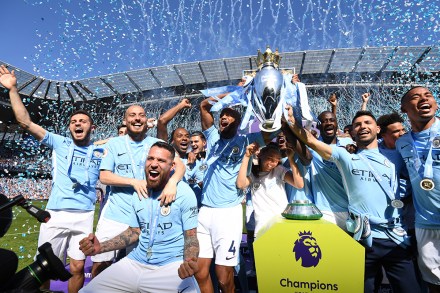
When the sonorous voice of Clive Myrie describes something as the ‘biggest sports story of the century’ in tones normally used for events in Kyiv or Gaza it’s probably time to sit up and listen. Or maybe not. The City saga – at root claiming that the club breached financial rules to pay its way from 2009 to 2018, when they won the Premier League three times – has been going on for eight years after all, and if Ferran Soriano, the chief executive, and the unfeasibly wealthy chairman, Khaldoon Al Mubarak, know what they are talking about, it’s got plenty more time to run. God help us! And they do seem pretty bullish. None of this, ‘OK guv, you got us bang to rights, we’ll come quietly’ stuff. Personally, I find it difficult to get worked up about this story.
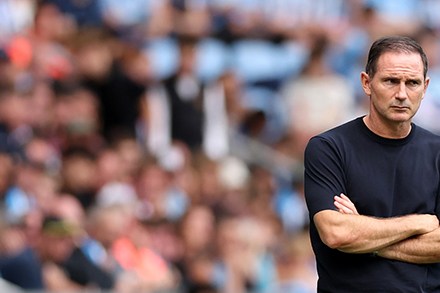
Face it: Frank Lampard just isn’t a good manager

From our UK edition

As Spectator readers will surely be aware, many of the stories we read in the papers nowadays are there not because they’re important, entertaining, moving or amusing, but because they’re the kind – about weight loss, true crime, celebrity and so on – that get the most ‘clicks’ from online readers. And clicks mean advertising. It’s the same in sport reporting: football is endlessly popular even when it’s quite dreary (and I mean you, ‘international break’); athletics much less so. Just doesn’t get the clicks, you see, even when it’s the most thrilling spectacle around – like the World Ultimate Championship in Budapest at the weekend.

Winning was all that counted in the ancient Olympics

From our UK edition

It is agreed that the National Lottery revolutionised British athletics, pouring money into the training of athletes with potential, especially in expensive sports like rowing. In the ancient Olympics, only the equine events demanded serious financial outlay – in theory any male could run, jump, throw or fight – but though we hear of goatherds and ploughboys winning events, the games were still the playgrounds of the rich. The point is that reaching the highest level of any sport requires time, training and doctors, i.e. money. Further, sport, like education, requires leisure, and only the rich could afford that. But the rewards in terms of public fame and acclaim were very high.

For the sake of athletics, the Olympics must not be delayed again

From our UK edition

Whatever became of athletics? It’s fallen nearly as far as show jumping and that is a long way. But the world needs athletics: it is the purest sport. Lots of countries can’t row or sail or do equestrianism, tennis or golf. Anyone, anywhere can run, jump and throw. But where is athletics now? Can you name the fastest man in the world this year over 100m?* Who are the best middle-distance runners? The sport has fallen nearly as far as show jumping and that is a long way In the 1970s and 1980s everyone knew the names of countless athletes, domestic and foreign.