The liberating force of musical modernism
From our UK edition
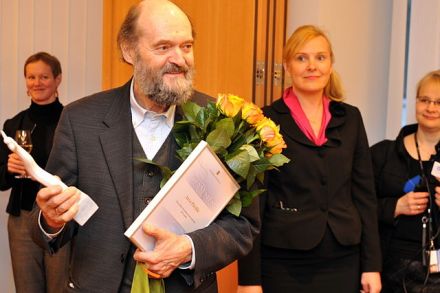
It’s Arvo Part’s 90th birthday year, which is good news if you like your minimalism glum, low and very, very slow. Lots of people seem to. The London Philharmonic’s concert on Saturday night was a reminder of an earlier, less ingratiating Part: the dissident composer in Soviet-controlled Estonia. Hannu Lintu revived Part’s First Symphony of 1963, and there’s nothing remotely minimal about its opening. There’s a swagger of brass, machine rhythms and an onslaught of string chords in which the dissonances don’t feel aggressive so much as mischievous. This is a young composer taking a manic glee in piling on the wrong notes just because he can.