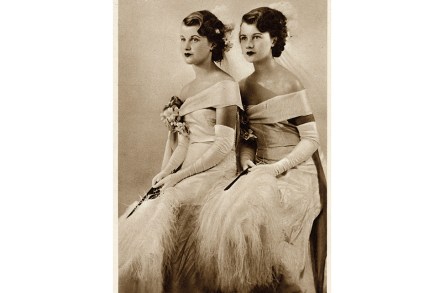
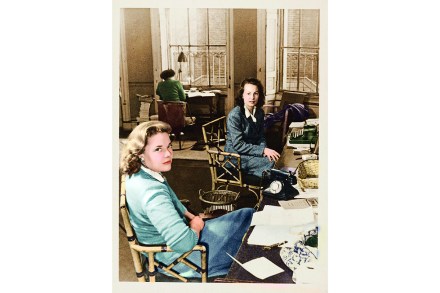
The identical twins who captivated literary London
From our UK edition
The dazzlingly beautiful identical twins Mamaine and Celia Paget were born in 1916 and brought up in rural Suffolk – not the greatest springboard, you would think, for lives at the intellectual heart of the mid-20th century. Yet the list of their friends reads like a roll call of literary notables: Dick Wyndham, Peter Quennell, Cyril Connolly, Bertrand Russell, Sacheverell Sitwell and Laurie Lee. Between them, the twins were proposed to by, among others, Arthur Koestler and George Orwell; had liaisons with Albert Camus and the formidably clever Oxford philosopher Freddie Ayer; quarrelled with Jean-Paul Sartre and Simone de Beauvoir; and received love sonnets from the historian and poet Robert Conquest. At the heart of this book, however, lies the girls’ twinship.