Art world

The genuine faker John Myatt

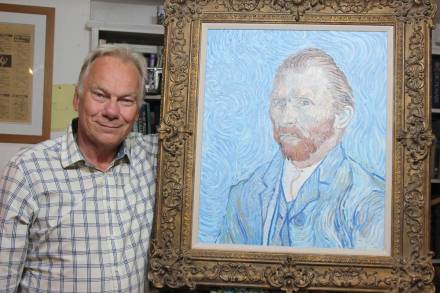
John Myatt held his breath as the bidding began in the Christie’s auction room. His drawings were selling, one by one. He had dreamed of having his work on the block since the beginning of his career. He felt a tingle of adrenaline as the paddles went up... and victory as he strolled through the city streets with a wad of money in his back pocket afterward. But the feeling didn’t last long. Eventually, Myatt started to feel empty and disappointed. The psychic void grew as the prices that his agent, John Drewe, sought for his work went up and up.
Myatt

Inigo Philbrick, the art world’s wheeler dealer stealer

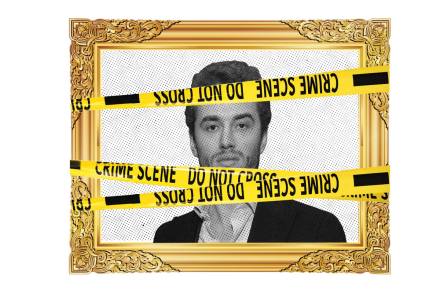
A few months after going on the lam in late 2019, the thirty-two-year-old wunderkind art dealer Inigo Philbrick sent his friend and colleague Orlando Whitfield a trove of documents. Philbrick wanted his old friend to write a sympathetic account of the misdeeds he stood accused of — since described as the biggest art fraud perpetrated in US history, for which Philbrick was later convicted and imprisoned. Whitfield has instead written All That Glitters, a memoir chronicling their friendship and dealings during a heady “gold rush” decade in the art world. Going through Philbrick’s correspondence and the court documents, Whitfield realized his friend was not the person he purported to be, certainly not the one his clients believed he was.

Philbrick

Bianca Bosker’s snapshot of the art scene

Early on in her entertaining account of five years immersed in the New York art scene, author Bianca Bosker is informed that, as far as the art world is concerned, because she is a journalist, she is the “enemy.” Given that the job of a journalist is to find things out, then explain and communicate those findings, it is unsurprising that a hermetic, deeply self-protective society like the art world would be resistant to journalistic inquiry. In reality it’s not just Bosker’s profession that makes it difficult for her to get past art’s gatekeepers, but a whole litany of personal and social failings that are gleefully enumerated by an art dealer early on.

Bosker

The subtly savage world of filmmaker Ruben Ostlund

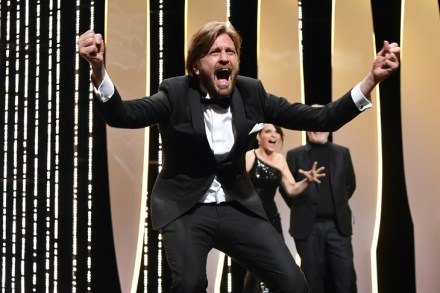
There is a culty YouTube video shot three years ago on the laptop camera of Ruben Ostlund. It shows the film director listening live as the nominations for the Academy Awards are announced from Los Angeles. The tension mounts as they approach the foreign film category. Alas, Force Majeure from Sweden isn’t nominated. Ostlund disappears off screen to sob and mewl. This year, there was a sequel to the video, but with a happier ending: the director’s latest film The Square was nominated for an Oscar. These mini-movies, like the rest of Ostlund’s oeuvre, are funny but subtly savage. He is a provocateur who trades in discomfort. You watch with your toes knotted. In Play (2011) a group of black teenagers inflict psychological torment on two white kids and (to complicate things) an Asian.