Andrew Carnegie

How Big Philanthropy became Big Grift

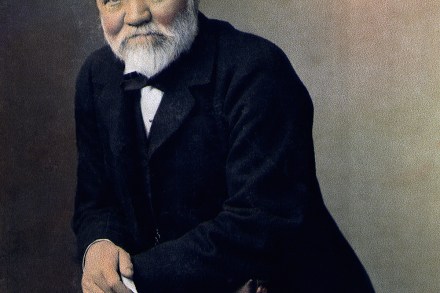
In 1889, Andrew Carnegie, one of the most ruthless industrialists in American history, wrote an essay entitled “The Gospel of Wealth,” which became the moral playbook for the oligarchs of his time on what to do with their fortunes. Carnegie was determined to overcome his reputation as a “robber baron” by becoming one of the greatest philanthropists who ever lived. The “man of wealth,” Carnegie wrote, should “consider all surplus revenues which come to him simply as trust funds, which he is called upon to administer... in the manner which, in his judgment, is best calculated to produce the most beneficial results for the community.

philanthropy

Carnegie plus one

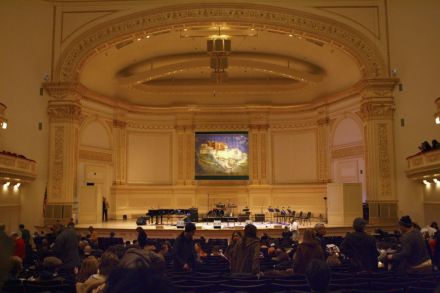
"A cable channel... but for classical music! It could be called ‘The Carnegie Hall Channel.’” I was on a beam reach to Eatons Neck about a quarter-century ago when a young man named Lawrence Perelman made this blustery pronouncement. We were Bill Buckley’s guests for an overnight sail across Long Island Sound. My first thought was: good luck with that. My second thought was no one wants to watch classical music on television. PBS’s Great Performances? More like lesser performances. With pixels the size of Cheez-Its and tin-can soundtracks, the experience was nothing like the real thing. But Perelman, an impresario who became an advisor to classical artists and institutions, as well as a friend, kept waving his baton long after we returned to Stamford.

Carnegie

Bring back robber barons

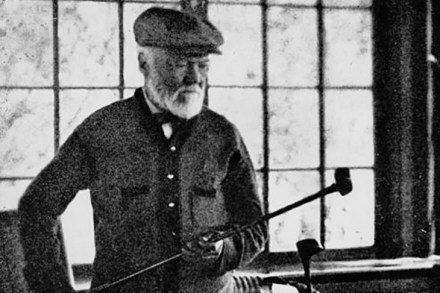
Like almost every American schoolchild, I was taught to despise the robber barons of the Gilded Age. Rockefeller, Astor, Vanderbilt: they lived in opulence while their businesses abused workers, compromised their health, ignored their rights and sucked our nation’s abundant natural resources dry. They bought off politicians with promises of special favors and lobbied hard for low taxes and minimal regulation. Can you believe major corporations once behaved this way? Now that we’ve learned from the mistakes of the Gilded Age, we have more enlightened companies, like Facebook, Google, and Amazon. Right? I’m not so sure. The coronavirus crisis has revealed the terrifying grip our modern barons hold over less fortunate Americans.

robber barons

America is socialist, dummy

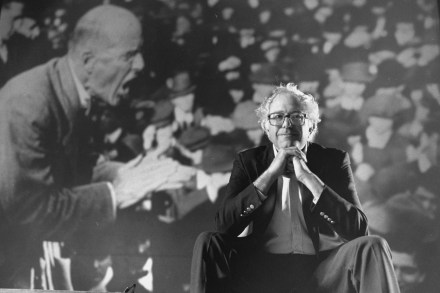
It’s widely agreed that Bernie Sanders fell short in the Democratic primary because he described himself as a socialist. As a movement, socialism has never had mass appeal in America. Even at its strongest, in 1912, it garnered fewer than one million votes for presidential candidate Eugene Debs, who was trounced by Woodrow Wilson. More often, Americans have used the word ‘socialism’ as a synonym for communism, to signify everything America doesn’t stand for. Pundits put Sanders’s failure down to his attempts to give the word a positive spin. On the other hand, a dispassionate glance at American history shows that Uncle Sam has already gone a long way down the road of democratic socialism.

socialist