American food

Why German-origin Americans keep quiet about their culinary contributions

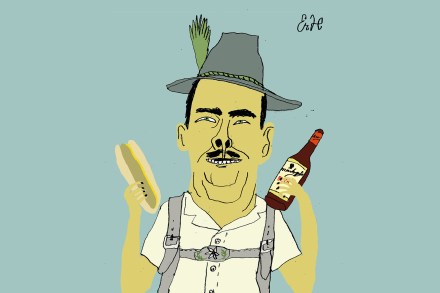
Irish Americans are arguably the most ostentatious in their national celebrations. It is hard to imagine any other group getting a day off work and spending it turning the Chicago River green. I wrote of my own Irish pride in these pages last year. March 17 was the highlight of our social calendar. My grandfather inaugurated our city’s St. Patrick’s Day parade, which still runs in Great Falls, Montana, today. Montana — especially Butte — is famous for its Irish population, which makes up 15 percent of residents. But there is a significantly larger ethnic group in Montana, whose traces of national pride are almost imperceptible. According to a US Census Bureau survey in 2020, 24 percent of Montanans claim German ancestry.
German

Introducing f’mores

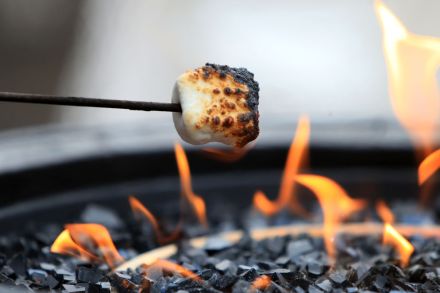
Don’t mess with s’mores, s.v.p... unless it’s for f’mores. They are my Gallic version of the gooey, sinfully rich and highly caloric, all-American dessert that the Girl Scouts invented in the 1920s. Graham crackers are sandwiched together with marshmallows roasted over campfire embers, and chocolate. S’mores are in our genes. I have three half-French grandchildren. Two summers ago, when California closed its schools, Covid sent the family fleeing Los Angeles to Antibes for two years. French schools reopened after six months of Zoom learning while California gave way to the powerful teachers’ unions and remained closed until this past spring. Before leaving, the family came to us.

f'mores

The American dream has no time for offal

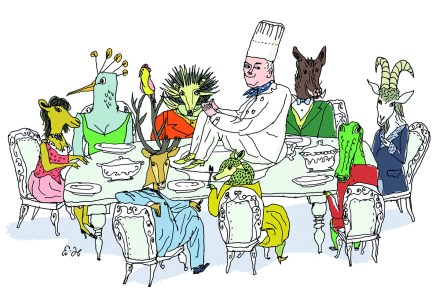
You can get goat in parts of New England. Consumers of Portuguese origin create a market unparalleled elsewhere in the US. In Boston, as I recall, Savenor’s used to sell camel and kangaroo. Few meats are too un-American for New York City. Ottomanelli, purveyors to whatever is left of the Four Hundred, still has venison of the quality they sold to the Upper East Side in the Gilded Age. Los Paisanos in Brooklyn stocks alligator, turtle and caribou. But the great days of the 1950s, when a club in New York served porcupine, caribou, muskrat and armadillo, are fled. With the closing of the American mind has come the narrowing of American appetites. Americans’ self-image is of enterprise, pioneering, innovation, adventure and the call of the wild.

offal