Alcoholism

Jeremy Clarke: Running into Rachel

From our UK edition

I’d been trying to curb the habit — one day at a time — and then I felt a bit toxic and marched smartly into my favourite local charity shop as though I were on rails. I’ve been in this particular one a thousand times — a peasant enamoured with tat. I know all the volunteers by sight. One day it might be the big humble guy in the frock and with the devil-may-care approach to applying his lipstick.


In defence of binge drinking

From our UK edition

Such an ugly word, ‘binge’. Why can’t we talk about ‘spree drinking’ or ‘frolic drinking’ or ‘extravaganza drinking’? But no, it has to be ‘binge drinking’, a term loaded (pre-loaded?) with connotations. Well you can stick your connotations: it’s binge drinking for me every time. Or rather not every time. That’s the whole point: you don’t binge as a matter of habit, otherwise it’s not a binge. But the other thing you don’t do as a habit — and this is really what I’m getting at — is sit at home with a nicely acceptable Chilean merlot every night, tooting most of the bottle and patting yourself on the Boden-clad back for being totally in control.

A Trip to Echo Spring, by Olivia Laing – review

From our UK edition

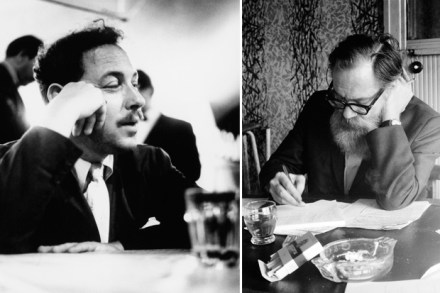
The boozer’s life is one of low self-esteem and squalid self-denial. It was memorably evoked by Charles Jackson in his 1944 novel The Lost Weekend; having hocked his typewriter for a quart of rye, the writer Don Birnam spends his lost weekend in a New York psychiatric ward, with a fractured skull. Where did he get that? The previous night’s drinking is remembered (if remembered at all) with bewilderment and guilt. Of course, the illusion of drink-fuelled happiness is familiar to most of us, even if the hangover seems a cruel price to pay. Olivia Laing, in her study of six alcoholic American writers, The Trip to Echo Spring (the title is taken from a Tennessee Williams play), demonstrates that one hardly need drink every day to be alcoholic.