Abolition

Tribute to Granville Sharpe, the father of the anti-slavery cause in Britain

One day during the summer of 1765 a young black man, an enslaved person called Jonathan Strong, stumbled into a doctor’s surgery on Mincing Lane, off Fenchurch Street in the City of London. He was seriously injured, having been badly beaten about the face by his ‘owner’, and there were fears he might lose his sight. The doctor, William Sharp, though respected enough in his profession to be called upon to treat members of the royal family, was also known to be willing to tend those who had no means of paying. Sure enough, Sharp cared for the injured man, and he and his younger brother Granville arranged for Strong to be admitted to St Bartholomew’s Hospital, where he remained for more than four months.
The curse of gold for the Asante nation

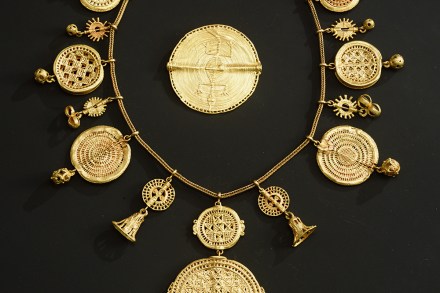
As a metal, gold never corrodes. As a possession, the reverse is too often true. It has the power to warp morality, destroy decency and tarnish humanity. This duality – entrancing beauty alongside corrupting potency – lies at the heart of this magnificent book that engagingly blends African history with a current relevance that reaches far beyond the continent. The history is laid out with clarity and conviction. The Asante nation (Barnaby Phillips wisely settles on this spelling over a variety of homophones including Ashante, Ashanti and Achantis) is a component part of the modern west African nation of Ghana. Much like the Zulus in South Africa, their foundational history dates back only a few hundred years and is underscored by military prowess bordering on barbarism.

Liverpool University shouldn’t cancel William Gladstone

After the fall of the statue of slaver Edward Colston in Bristol, it was only a matter of time before attention turned, once again, to England’s other great slave-trading city of Empire, and the figures behind it. William Gladstone is one of Liverpool’s most famous sons. One of the great Liberal politicians of the age, he was prime minister on four separate occasions in the mid to late 1800s. There are a few reminders of this dotted across the city today, but the most notable are the halls of residence that bear his name, belonging to the University of Liverpool. The university has now announced that it will rename the halls after receiving a letter from a group of students demanding it be changed.