Sport

The keys to the kingdom await

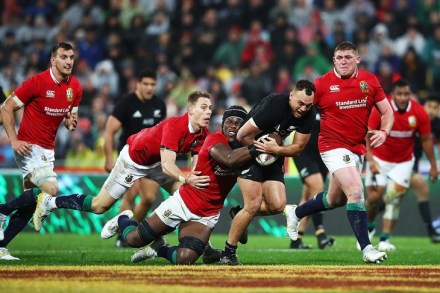
Give them all peerages as far as I’m concerned: if you can pick up a gong for bunging a few quid to a political party, you surely deserve something if Sonny Bill Williams practically tears your head off. This marvellous, heroic British and Irish Lions tour of New Zealand has been one for the ages, whatever happens on Saturday. It’s the much maligned North going head to head with the cocky champions of the South — and holding our own. It says to all those snippy Kiwis: stop dissing the Six Nations (and how much can we look forward to that now!) What is so heartening about that victory last weekend to level the series was quite how badly we played in some areas.
Pakistan and the power of redemption

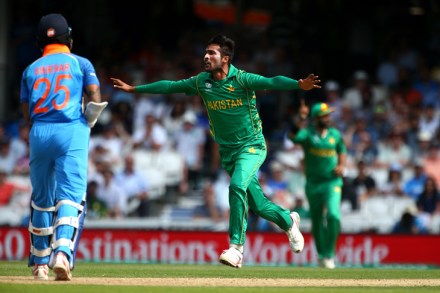
The Pakistan supporter was festooned in cream and green, and carried a chalkboard round his neck with the legend: ‘My wives think I’m at the mosque.’ By the end of the day he was a very happy man, along with millions of others both here and on the subcontinent. Pakistan’s astounding victory in cricket’s Champions Trophy was redemption on an epic scale, both for the team and its most lethal player. In a field of eight they qualified in last place. Shortly after just making the cut in 2015 they lost to Zimbabwe: had that defeat come a few days earlier it would have been West Indies rather than Pakistan in the tournament. And you can bet your life West Indies would have come nowhere near the final, let alone winning it.

Hacked off with the haka

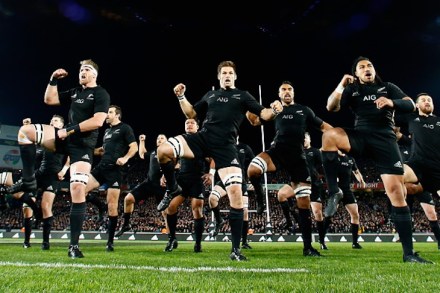
Kingsley Amis said the most depressing words in the English language were ‘Shall we go straight in?’ — meaning no pre-dinner drinks. But for many of us it’s: ‘Tonight is the folklore evening.’ At any holiday resort in the world this signals a bloke with a balalaika and plump ladies in national dress giving it large with some traditional and intermin-able dance. Time to head for the bar. So let’s look at the ‘haka’, the preamble to any All Blacks rugby match, and now more or less any game on the current Lions tour. The Auckland Blues had knocked one up for their Lions game this week. It was called The Power of Many and had stuff about ancestors, challenges and the sea; all the ingredients of the Kiwis’ admirable myth-making.

Metal fatigue in the golden generation

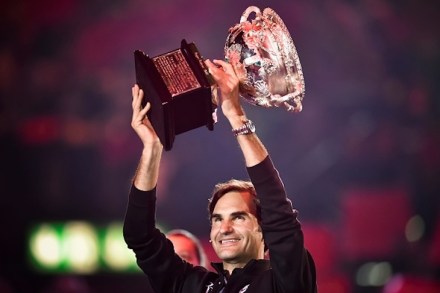
Not a bad week for Roger Federer then: first pootling along being cool and rich in a morning suit at the Philippa Middleton wedding, then being named in the world’s tennis top five again, with his increasingly elderly chums. It’s the first time all five (Murray, Djokovic, Federer, Nadal and ‘Stan the Man’ Wawrinka) have been over 30. Indeed, the only player born in the 1990s to reach a grand slam final is Milos Raonic; no spring chicken at 27. This is an astonishing time in tennis; a golden generation indeed. We have come a long way since Lleyton Hewitt beat David Nalbandian 3-0 to win Wimbledon. Nalbandian won just six games. That was in 2002; not so long ago, though it feels like a lifetime.

Two hours down the track

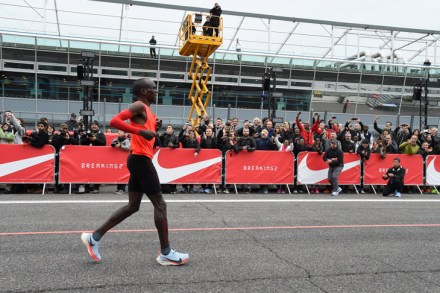
Of the great sporting imponderables that have come into clearer view over the past few days — will The Archers’ Lily Pargetter ever score any runs for Ambridge and herald a bold new world for women’s cricket? Will we see the first sub-two-hour marathon? — only one can be answered with clarity. As for hapless Lily, heaven knows, but unquestionably we will soon find the holy grail of distance running. By soon, I mean I hope it will happen in my lifetime, and I am knocking on a bit. It came tantalisingly close last weekend in an extraordinary project bringing together the millions and the marketing whizz of Nike with the endurance genius of African distance runners.

The age of Joshua

Every so often comes a moment that can set the history of sport on a different trajectory. I believe we will witness such a moment on Saturday when Anthony Joshua, of Golders Green no less, fights the veteran Wladimir Klitschko for the Heavy-weight Champ-ionship of the World. At Wembley Stadium, not a Las Vegas car park. This is a battle of the ages and for the ages, and it is right here in London. For those of us who were glued to barely audible radios at 3am to hear epic US fights or flogged around seedy London cinemas for a live transmission, the romance, the magic and the brutal beauty seems to have gone out of the heavyweight game. The story of Muhammad Ali, and the brilliant film of his Rumble in the Jungle, When We Were Kings, now feels like a romantic confection.

What makes players popular?

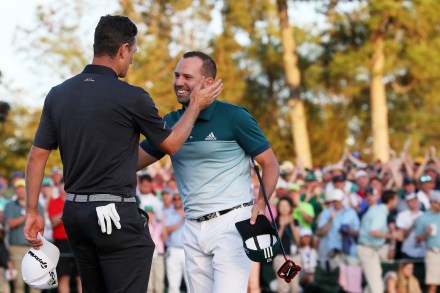
What a treat to be Sergio Garcia. Not only have you just won your first major and trousered a small fortune, you are also loved by all and sundry without exception; not least by your absolute corker of a fiancée, the sensational Angela Akins, who looks like she should be from Malaga, but is actually Texan. Sergio and Justin Rose, his play-off rival at the Augusta Masters, are two of the most popular sportsmen around. The scenes of rapture as the 18th-green crowd leapt to their feet as one when Sergio holed his final birdie will stay with me forever. But winning and being popular don’t always go together. Don Revie’s Leeds were pretty successful, but almost universally loathed.

Liverpool’s press mess

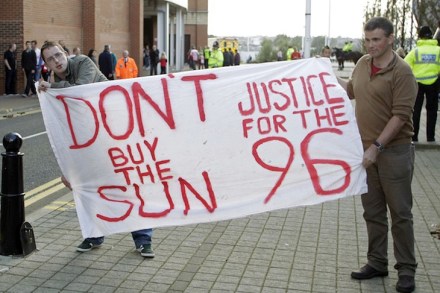
The comedian Jimmy Carr is not necessarily a guy you would trust on much, but he was spot on the other day when he said that the Hillsborough disaster was something you would never joke about. Of course not, but it seems you can’t have even a sliver of a divergent view. Now, thanks to the timorousness of one of the world’s major football clubs, and the pusillanimity of the Premier League, a bitter little drama is being played out that could have savage implications for freedom of the press. Early in February this year Liverpool FC announced that the Sun would be banned from all home facilities, Anfield and the club’s Melwood training ground; the paper would not be allowed into home games and its Liverpool reporter would be given no access to players or the manager.

Was it football or just mutimillionaires cheating?

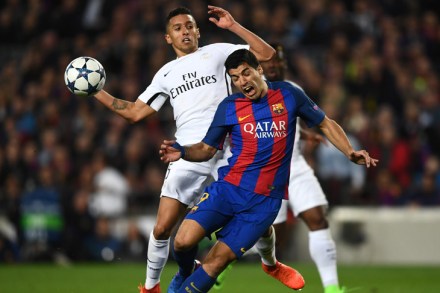
Few sporting events in history have been greeted with such swivel-eyed, table-pounding hysteria as Barcelona’s comeback to overturn a 4-0 deficit against poor Paris St-Germain in the Champions League. Brilliant though it was, was it football or just another exercise in multimillionaires cheating? Luis Suárez clearly dived for the fifth goal, and should have been sent off. The sixth was arguably offside too. Either way, a video replay would have changed one or both goals and justice would have been done. Cricket, tennis, rugby, athletics all have technology to prevent this sort of thing; why not football? The excuse is that it would hold things up and yes, we all like to see the game flow — but at what cost to its integrity?

Three cheers for rugby’s Italian loophole

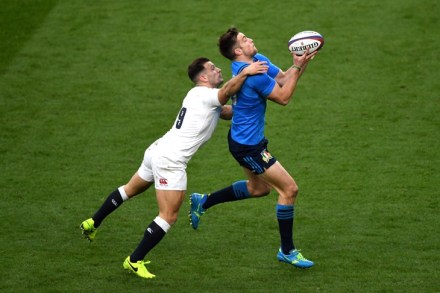
A friend was at Twickenham on Sunday sitting not far from the Italian coaching top brass, Conor O’Shea and Mike Catt. After an early tackle, and no ruck being formed, the Italian players ran to take up space in front of the England backs, blocking their attacking options. ‘That’s offside,’ shouted my friend. Catt, who knew her, glanced up. ‘No it’s not,’ he smiled gleefully. And it wasn’t. As the world now knows, the Italians had found a loophole — there couldn’t be an offside after a tackle once neither side formed a ruck. There cannot be many people who care for rugby and applaud the underdog who didn’t secretly admire the ruse, which neutered most of England’s running back play.

Breathtaking and brilliant

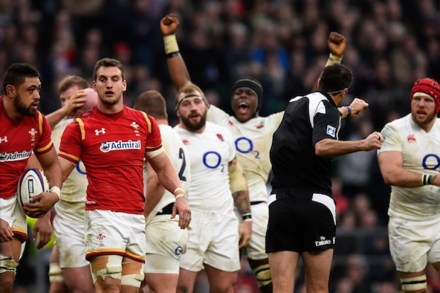
Perfection in sport: unattainable, but sometimes you can come close. Moments, people, actions you never tire of watching: Roger Federer’s backhand; Virat Kohli’s cover drive; Mo Farah’s acceleration off the final bend or little Lionel Messi dribbling through a crowded penalty area as if his opponents were shadows; Fred Couples’s sensuous golf swing. Last weekend another moment: the long pass from England’s Owen Farrell to Elliot Daly for that decisive try in the final minutes at the Principality Stadium. This 25ft rocket, superbly timed and delayed long enough for Farrell to be in touching distance of the defensive battery, was so quick and flat it left the defence flummoxed.

Should Many Clouds have been racing last Saturday?

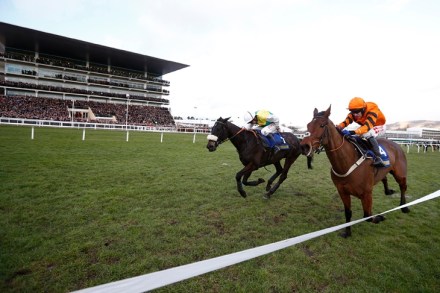
Few things in sport are more thrilling than a great racehorse giving its all. That’s why the death of that noble steeplechaser Many Clouds on Saturday was so sad, so epic too. Courage is an over-used word in sport, but Many Clouds really was very brave indeed. He won the Grand National on strength-sapping ground in 2015, and at the weekend fought back to beat the best chaser of the present day, Thistlecrack, by a head. Seconds after crossing the line in the Cotswold Chase at Cheltenham, this most magnificent of horses collapsed and died. It was a pulmonary haemorr-hage. Many Clouds had literally given his all. Now his ashes will be scattered in the Isle of Man where he spent his summer holidays. Someone, please make a film of this extraordinary story.

Big trouble upstream

At a wedding a few years back a very gloomy looking guest, a well-known Geordie actor as it happens, arrived at the church door. ‘What’s up?’ asked the small boy patrolling the entrance. ‘Newcastle are playing this afternoon and I can’t find out what’s happening.’ ‘Give me your phone,’ said the lad, who clicked a few clicks before handing it back. The match was now live on the screen, via some pub in Oslo or whatever. God knows what he could access now — a transmission from Mars, presumably. A revolution is taking place which could have apocalyptic effects on football. In an insightful Telegraph piece, Jim White analyses how illegal streaming could scupper football’s TV bubble.

Unimpressed by the Root cause

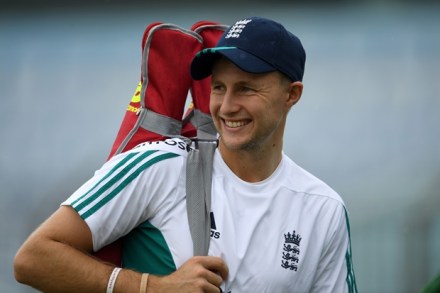
Those who occupy them sometimes say that the only two jobs that matter in England are Chief of the Defence Staff and editor of the Times. Others argue for Prime Minister or England’s cricket captain. Either way, a shoo-in is not the way to get the right person. Remember Gordon Brown? Despite the best efforts of some of us to get Alan Johnson or even David Miliband to have a pop, in the end Brown took over as uncontested Labour leader and unelected Prime Minister. That went well, didn’t it? Now a similar din is building up for Joe Root to take over from Alastair Cook. I am not quite sure why: he’s a lovely guy for sure, super batsman, brilliant fielder, great cricketing brain and ever-present smile.

Ten questions of sport

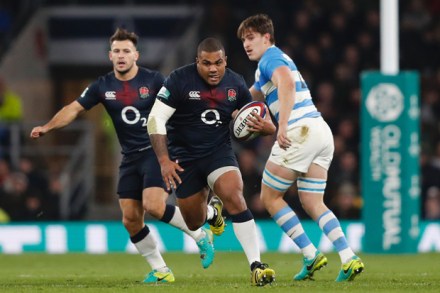
1. Can anyone explain why England wore dark blue, not white, for the autumn international against Argentina, just as they did against Fiji? Is there anybody in the whole country, other than the marketing department at the Rugby Football Union, who thinks it is a good idea to change England shirts for no other reason than to fleece the public whose children might want to wear one? Why don’t England stick to their proper colours: would the Springboks change, or Australia, or would the All Blacks become the All Purples? Seven different shirts in two years! Come off it.   2. Is the ongoing spat between Ben Stokes and Virat Kohli the only really competitive element in the current Test series between England and India?

Abandon dope, all ye who enter here

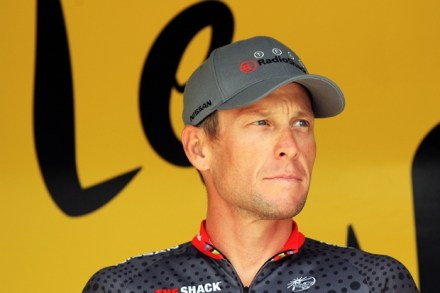
The World Anti-Doping Agency has just called on Russia to confront its wrongdoing and generally shape up. Well, good luck with that boys. The great and good of Wada would be better advised to visit a sharp and troubling new play at the Park Theatre in London. It’s called Deny Deny Deny (standard advice to athletes accused of doping before they come up with some hitherto unknown medical condition) and is by a former TV journalist, Jonathan Maitland. It tells of a young star athlete called Eve (Garden of Eden anyone?) who as she aims for Olympic gold falls under the influence of a ferocious female coach who persuades her to try gene modification. To find out what happens you will have to see it (it finishes on 3 December) but it is utterly riveting.

Football’s new Special One

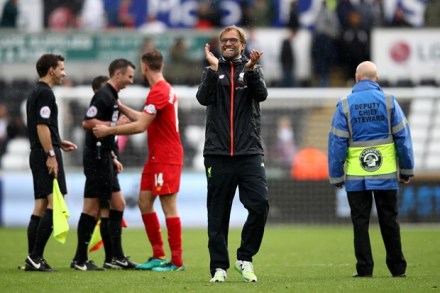
Jurgen or José: compare and contrast (and please write on as many sides of the paper as possible). Is there any more charismatic man in Britain right now than Jurgen Klopp? A real Special One and currently sitting on top of the Premier League. He gives good interview, loves his players, loves the fans (they love him back) and is gracious and cheerful in victory as well as the occasional defeat. He is building a Liverpool side that’s playing with buzz, flair and an exuberant joyfulness; a brilliant coach but one for whom football is still clearly a game. When I stood on the Kop in the early 1970s we watched a godlike set of players: Clemence, Lawler, Smith, Hughes, Heighway, Keegan, Toshack and on and on... the best team I have ever seen.

Allardyce’s sacking was not just

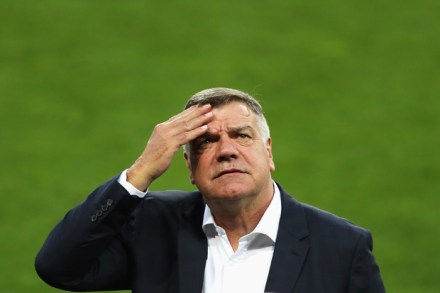
The other day Sam Allardyce was photographed with Sir Alex Ferguson at a Manchester United Champions League match at Old Trafford. It was clearly the first step in some sort of Allardyce rehabilitation programme. Now, I was never a great fan of his appointment as England manager: anyone who calls themselves ‘Big’ should probably not be allowed anywhere near a once-great English institution. What we have now — Gareth Southgate on a trial, or, one day I hope, Eddie Howe of Bournemouth — is preferable. Nonetheless, the manner of Allardyce’s execution by the FA is troubling. Entrapment has a long and honourable tradition in investigative journalism — in exposing wrongdoers and villains, sex offenders, criminals, arms dealers.

The waning of Wayne

As the final chords of the Wagnerian epic that is ‘The Dropping of Wayne Rooney’ fade away, we can leave the auditorium to reflect on the momentous events we have just witnessed. Really, what a lot of fuss! Pages in the papers, endless phone-ins and enough online hot air to blow up a container-full of -Samsungs. But I suppose Rooney took it with grace and courage, insisting on facing the media alongside Gareth Southgate, the man who fired him, and saying he would always be available. Not walking off in a huff like other, more dislikeable players. Not mentioning any names, John Terry. He is a fine man, Rooney; not inarticulate, often amusing and a fine representative of what can on occasion really be the beautiful game.

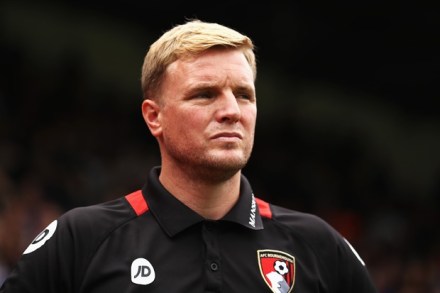
Eddie Howe for England

The name of Jozef Venglos won’t mean much to most of us apart from a few Aston Villa completists with long memories, and possibly Prince William, though by all accounts the amiable Czech is a pretty stand-up guy. He was also the first foreigner to take charge of an English top-flight club. It wasn’t much of a success, and his year at Villa (1990-91) left them two places above the relegation zone. (Sound familiar?) Now of course you can’t move for foreign managers: on the style pages, the food pages, the news pages — and jabbing each other in the technical areas. It’s not a great time for English managers (not to say England managers) right now but wouldn’t you like to see Premier League clubs put more faith in them?