Previous magazine Next magazine

Latest issue

The divorce evangelists

Browse past issues

Life

Life

We no longer know how to party

DC is often maligned for being swagless. This is a perception I have struggled in vain to correct in the pages of this magazine, in my weekly culture newsletter, in my own life, by emphasizing the subtler currents of intrigue at play in the capital city. But every week it seems some new horror emerges to beset my efforts, some arch little triumph over the joy of spontaneity, a dead-eyed child of Yog-Sothoth in the form of an infantilizing $35 “Adult Happy Meal” or now, La Merna’s espresso martini special, which comes with an added cigarette for $3 or the whole pack for $30! “I’m LIVING for this,” tweets an algorithm zombie to 600 likes. It really gets to a point.

My friend the anarchist

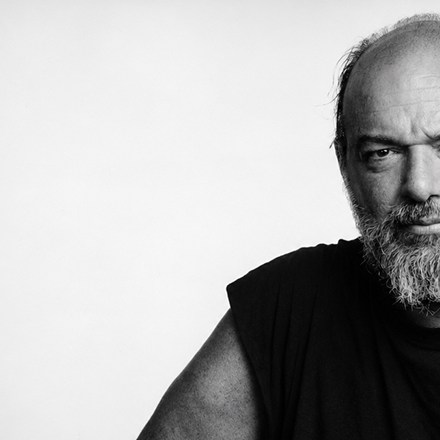
Few prospects fill the auctorial amygdala with as much dread as that of a book signing. The crest falls in anticipation thereof. Imagine: the forlorn author, sitting disconsolately behind a table stacked with untouched copies of his or her pride and joy, as embarrassed bookstore patrons avert their eyes or detour down distant aisles, while those with weaker humiliation antennae – the sort who rubberneck at grisly accidents – stop at the table, scan the title and perhaps back-cover description and blurbs, then replace the book in its stack, at most offering the barest hint of a smile and nod. It calls to mind the time I was persuaded to serve as the sitting duck in a carnival dunk-tank. Get me outta here!

The narcissism of democracy

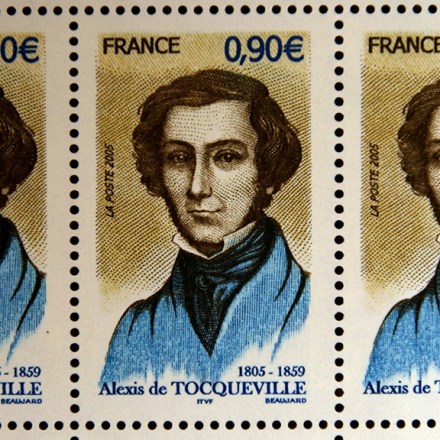
Alexis de Tocqueville foresaw the coming of what he called the tutelary state, intruding itself into every area of democratic society. He did not foresee that democratic government would foster, advance and extend the self-centered, actually narcissistic societies that present-day democracies have become: the direct and inevitable result of vote-seeking politicians ceaselessly and shamelessly flattering their constituents in regard to their immense dignity as democratic citizens while assuring them of their democratic deserts in election seasons, and every other day. Governor Huey Long of Louisiana stated the thing most directly and shamelessly during the Roosevelt 1930s with his talk of “every man a king.

Cure cancer? Easy.

Fresh eyes can see a solution the experts may miss. At school I discovered the cure for cancer aged 13. I was in a science lesson and I was only half-listening because I found the nerdy, white-coated teacher faintly absurd. And yet the branches of science intrigued me. I loved physics (rockets), I quite liked chemistry (explosions) and I had a passing interest in biology (tadpoles); it was a biology lesson that prompted my brainwave. In Britain, school is free but everyone hates it. In Africa, it’s expensive but everyone loves it The boffin was describing the division of cells and he mentioned that tumors evade detection because they grow at the same rate as healthy tissue. Human macrophages are primed to attack bacteria that multiply faster than normal cells. Hey presto.

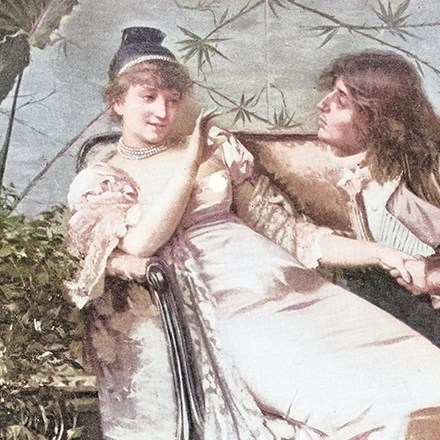
I’ve ended my ‘situationship’

Provence Lying awake at 3:30 the other morning, I thought about a V.S. Pritchett quote: “Once one has got used to the big wrongs of life, little ones wake up, with their mean little teeth.” These past few weeks “little ones... with their mean little teeth” meant another chest infection, laryngitis, baffling spreadsheets, a painting I couldn’t get right which was holding up studio work, two new tires, losing my glasses and almost daily migraines. But worse, with regret and a heavy heart, a few days before I’d ended for good an on/off long-distance and occasional, but fond, “situationship.” Horrible word but apt in this case. It was never going anywhere, neither of us wanted it to.

situationship