Food & Drink

Food and Drink

Wine highlights from a weekend shooting party

Do you know Charlotte Mulliner’s charming poem “Good Gnus”? It was transcribed by P.G. Wodehouse in his short story “Unpleasantness at Bludleigh Court.” I went shooting with friends last weekend at a magnificent rural fastness in a semi-secure, undisclosed location near Millbrook, New York. Although we were shooting clays, not pheasants or other fauna, the opening of “Good Gnus” nevertheless floated into my mind like a tocsin with its irrefragable psychological insight.

shooting
seafood

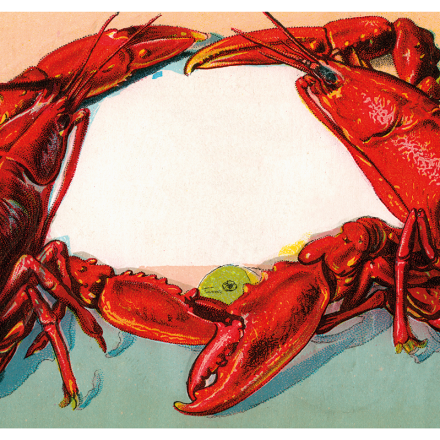
The decadence of seafood towers

Whether or not it is your intention to see and be seen, you cannot avoid the latter when you order a seafood tower. I can say this definitively, having experienced one side more than the other – the mere glimpse of a spire of glistening seafood floating through the brasserie will not only draw the attention of fellow diners, but stir up burning envy in their hearts. The seafood tower takes the experience of eating an oyster and scales it up tenfold into an exercise in excess, sometimes three or more tiers high.

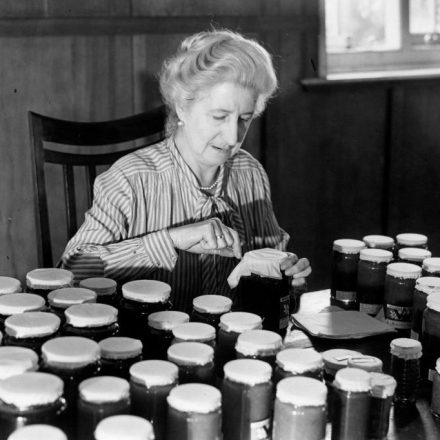
The joy of preparing freezer jam

July, and the morning sun blazes over fields of pick-your-own strawberries. The black bears scope out the blueberry patches in the national parks. Skin-destroying raspberry canes trail across the path, ready to spring out and scratch the faces of passers-by. The berrying season is upon us: scratched faces and stained clothing are on the cards. Have you ever seen a child pack a handful of wild raspberries away into a shirt pocket for safe keeping? I hope so. It’s one of the joys of life. Their faces, on seeing the inevitable results, are completely worth the ruined outfit. However, if you don’t have any young relatives to cheer you up with their berrying misadventures, pick-your-own farms aren’t just pick-your-owns but pick-me-ups.

jam
gardening

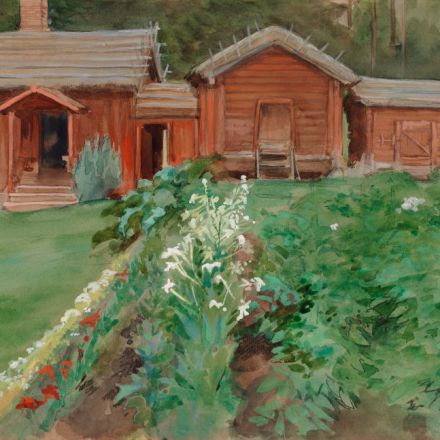
How I flouted a cardinal French gardening rule

“C’est ma faute,” I called up to the local old boys as they strolled past my potager, chuckling among themselves. I tried to match their levity, but it was obviously affected; they could sense my panic. It was late-April and my garden resembled an eccentrically out-of-season Halloween scene, with tomato plants standing eerily motionless like infant ghosts, wrapped from head to toe in protective fleece. Everyone knows that 41°F is too cold for tomatoes, but spring had been deceptively warm, and I couldn’t help myself. AccuWeather had issued a grim prediction for the night’s minimum temperature. Only a few days previously, I had been openly proud that my plants had been in the ground for two weeks. I felt foolish and impetuous.

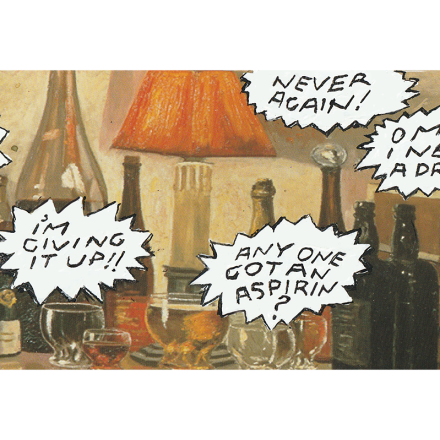
I tried the world’s worst drink

I am standing in a sunny courtyard in the little town of Gijduvan, waiting for a drink. Just in case you don’t know, Gijduvan is a way station on the old Silk Road, in the far west of Uzbekistan: it is known for ceramics, Sufi mystics and loud celebrations of the Persian spring festival, Nowruz. As part of this festival, the locals make a special soup/beverage called sumalak. The recipe, I’m told, dates to Zoroastrian times – more than 3,000 years ago – and includes “wheat sprouts,” “cottonseed oil” and, I am not joking, “stones.” I can already see the sumalak bubbling away in a vast steel pot. It looks like viscous brown cow slurry. To be honest, I’m not brimming with eagerness.

drink