Features

Features

The last American tourist

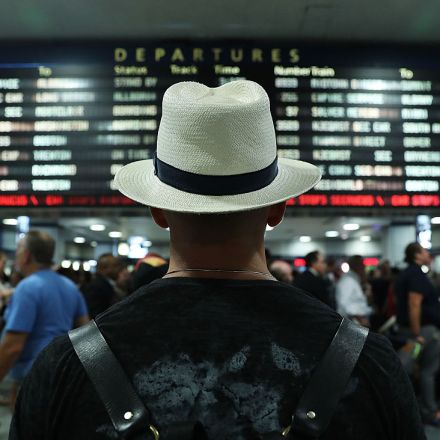
I was driving along a curvy English road outside a village in Gloucestershire a few weeks ago when a sign loomed on our left. It said: CATS EYES REMOVED My first thought was: What a horrible way to make a living in this day and age, even out here in the countryside. So much for All Things Bright and Beautiful... Maybe those people who said that Brexit would turn the English into depraved monsters were right. I was jumping to conclusions. It hadn’t been put up by an entrepreneur or veterinarian but by the highway authority. Cat’s eyes are what the English call those super-reflective bumps embedded in the stripes on minor highways to keep drivers from drifting across lanes. The sign was a warning that this curvy road had recently become much more dangerous.
tourist
Mamet

Why David Mamet went right

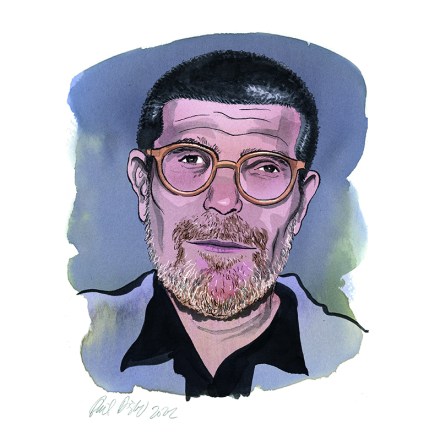
How did David Mamet spend the pandemic? The answer, as anyone familiar with the prolific, brilliant playwright and screenwriter would probably have guessed, is that he wrote. “I’ve been writing a lot of essays lately,” Mamet, seventy-four, says when we meet at his Santa Monica home on a cool January evening. “Because, you know, I don’t want to go and sit on a park bench. I’m a writer.” A collection of essays written during the tumultuous plague years is published this month by Broadside, an imprint of HarperCollins. Recessional: The Death of Free Speech and the Cost of a Free Lunch is combative, challenging, witty, and, as the title suggests, its prevailing mood is as dark as the “terrible” period in which it was written.

I’m done being a crazy Covid lady

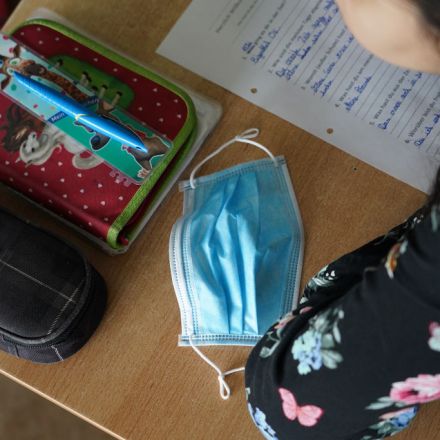
I was seven months pregnant in March, 2020. I had miscarried before, and it had taken a little while to conceive, so even before the world became anxious about reports of a novel coronavirus, I was a nervous wreck. When the pandemic came in earnest, I was utterly overcome. I had been working on a live news show. Every day in late February, and even at the very beginning of March, we were telling Americans to wash their hands, but that everything would be okay. Local politicians and medical experts came on the show to tell people it was all going to be fine. This was The Before. One day, I came into the studio during a commercial.

covid
science fiction

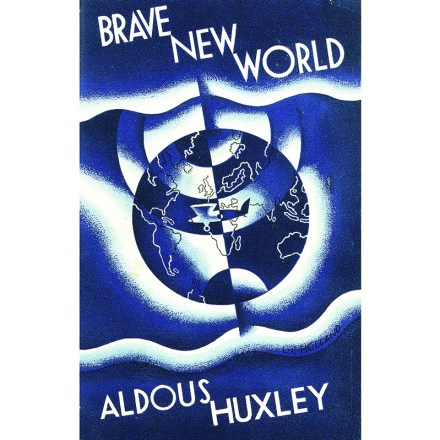
How science fiction novels read the future

The pandemic is not quite over, but we are getting used to its inconveniences. What disaster will be next? An antibiotic-resistant strain of the bubonic plague? Climate collapse? Coronal mass ejection? Will the next catastrophe be natural — perhaps a massive volcanic eruption, the likes of which we have not seen for more than two centuries, since Tambora in 1815? Or will it be a manmade calamity — nuclear war or a cyberattack? And might we inadvertently descend into a new form of AI-enabled totalitarianism in our efforts to ward off such calamities? To all these potential disasters it is impossible to attach more than made-up probabilities. So what can we do about them? The best answer would be that we should strive to imagine them.

Was Penelope really a ‘silenced’ woman?

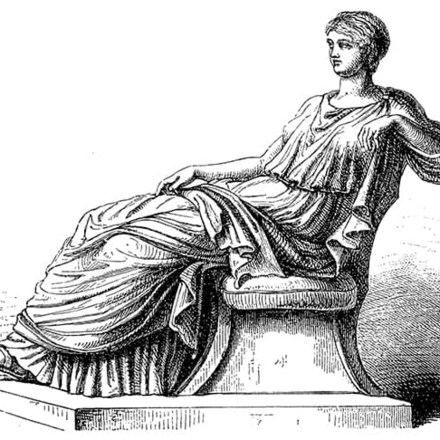
Problems about the misuse of history, especially on subjects such as race and colonialism, have been running for a long time. But when it comes to the ancient world, there are also problems about the misuse of literature. Dame Mary Beard’s “manifesto” Women and Power (2018) contains an example of the problem. Her thesis is that women’s voices in the public sphere (my emphasis) have been “silenced” by men ever since the West’s first literature (Homer’s Iliad and Odyssey) gave us our first access to “Western” thoughts, deeds, beliefs, hopes and fears (c. 700 BC). The problem exists in the first example of her thesis, to which she returns four times — Penelope, the wife of Odysseus.

Penelope
Joan Collins

Hollywood, fist-fights and getting canceled

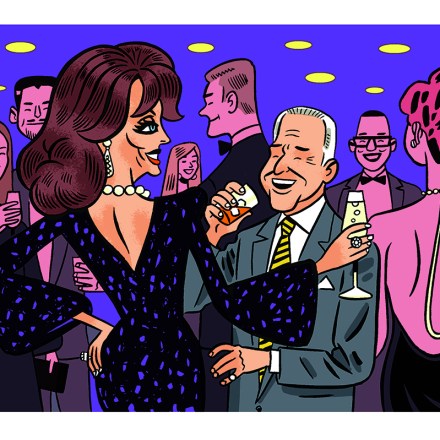
Introductions Scene: a drawing room in London. When the recording starts, Taki is already mid-anecdote... Taki: I was sent out to Monte Carlo to speak to Roger Moore. The Spectator offered to pay all my expenses. I said thank you, I’ll pay my own. I went and had a terrific drunken dinner with Roger who really spilled the beans, cos we were buddies. I came back. The tape was empty because I’d never turned the recorder on. Joan: I’d known Roger since I was fifteen, because my father was a big agent in London and I came back from school — oh, fourteen actually, because I left school at fifteen — and there’s the most gorgeous man I’ve ever seen standing there. He came over and said, “How do you do? You must be Joan, my name is Roger Moore.

A state of virtual war

My husband came into the living room the other day as I was sitting on the couch, scrolling on my computer — doomscrolling to be more accurate. “What are you doing?” he asked. “Are you watching... war?” We laughed at the absurdity of the comment but he wasn’t wrong. That’s exactly what we had been doing for days. Watching war on social media. Needless to say, it was a challenge to focus on this piece. As the conflict escalated rapidly in Ukraine, I couldn’t tear myself away from the drama as it unfolded on Twitter. Putin seemed backed into a corner, desperate and using many of the same barbaric tactics he used in Syria. Bombing hospitals. Bombing kindergartens. Killing civilians.

war
conservatism fusionism

Fight for the right

Sohrab Ahmari Modern American conservatism is composed of three distinct traditions: libertarian economics, foreign-policy hawkism and social traditionalism. This “fusion” was born of a contingent historical moment, the Cold War, when the Soviet threat forced different social classes and their ideological spokesmen to band together in common cause. There was no eternal principle demanding that these groups tie their destinies together — a fact that became apparent with Donald Trump’s rise, which divided the three camps along various axes of alliance and enmity. Fusionism is dead. Well and truly dead.

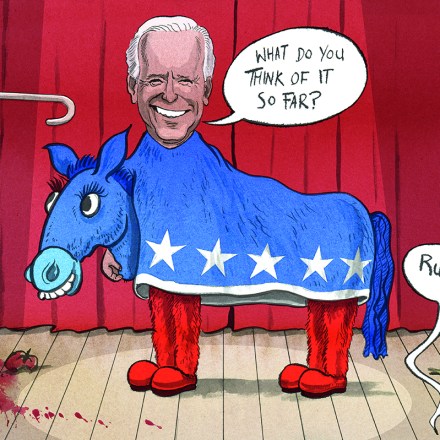
Joe Biden is winning

By the middle of January, I’d read some version of the headline “Biden Can Still Rescue His Presidency” so many times that it seemed an algorithm had taken over from the editors. The New York Times placed it above a column by Bret Stephens, a prominent anti-Trump conservative and a member of the pundit pack that earnestly wished the president Godspeed when he entered the White House more than a year ago. Stephens, like most of his colleagues, argued that Biden was “flailing — and failing” — because of what the paper’s news pages have described as a “legislative agenda in shambles.

biden
uber

The United States of Uber

I’m getting into the backseat of an Uber in Washington, DC with a cup of coffee in one hand and a tattered, floppy cloth mask in the other. I’ll make a half-assed attempt to mask up! indulging the Democrats’ last gasps of Covid political theater, only on airplanes and in Ubers, and that’s just to avoid the hassle of getting banned if you don’t. My mask — I only own one — is about as snug as a Kleenex with too-wet noodles for straps. It covers my contagion holes for only a few moments at a time when the loose cloth rests on the tip of my nose. The struggle to keep it up for the duration of the journey is my own bit of theater. “Do you need to switch that mask out?” a flight attendant once asked me. “Oh, no, I could never do that.

What is conservatism for?

Rick Scott recently managed to elbow his way into a jam-packed news cycle with an eleven-point plan to “rescue America.” The Florida senator did not, however, get the headlines he wanted. Senator Scott’s proposals ranged from the trivial, such as a suggestion to name the border wall after Donald Trump, to the obvious: growing the economy was one especially helpful idea. But it was a tax plan that landed him in hot water with colleagues. “All Americans should pay some income tax to have skin in the game, even if a small amount,” suggested Mr. Scott. “Currently over half of Americans pay no income tax.

conservatism