Features

Features

Trump and the troops

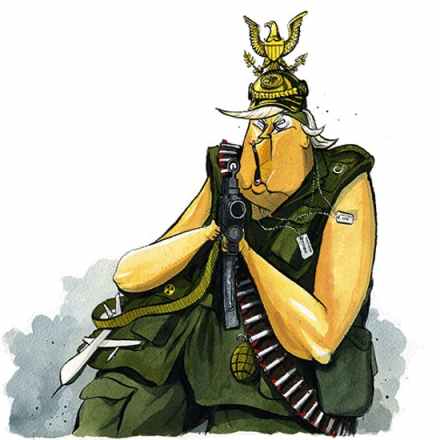
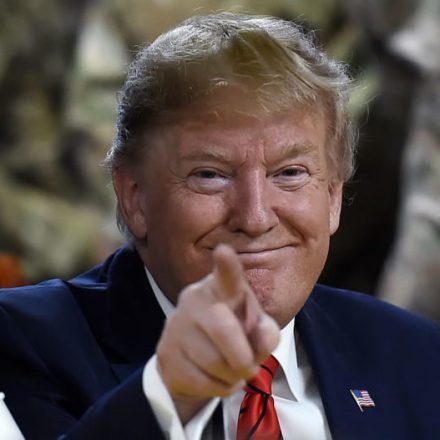
This article is in The Spectator’s January 2020 US edition. Subscribe here. Thanksgiving Day, the most American of holidays, found President Trump performing one of the nation’s few remaining civic rites: supporting the troops. When the President secretly flew to Afghanistan to feed and thank servicemen at Bagram Air Base, he got a cheering hangar full of airmen in return. Those turkey-stuffed troops were a captive audience, of course. Still, enthusiasm for Trump among American servicemen, both active-duty and veteran, seems to be one of the more genuine things about this surreal phase of American politics. In polls, support for the president among veterans far outpaces that among Americans at large.
troops
progress steele

A crime still in progress

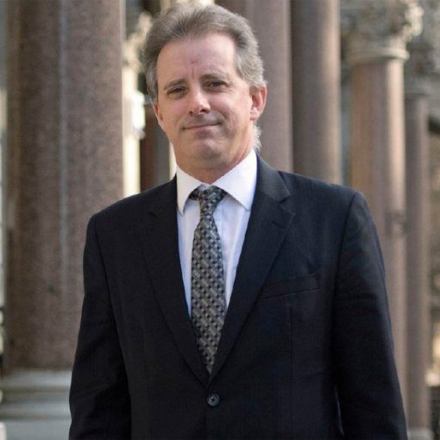
This article is in The Spectator’s January 2020 US edition. Subscribe here.Crime in Progress is, inadvertently, the cruelest book ever written about the American media. Its authors, Glenn Simpson and Peter Fritsch, are the two former Wall Street Journal reporters who founded the DC-based consultancy Fusion GPS. In 2016, the Hillary Clinton campaign paid them to use their former media colleagues to push a conspiracy theory smearing her Republican opponent, Donald Trump. The crime is still in progress. To help top-notch journalists market the fantasy that one of the world’s most familiar faces was a secret Russian spy, Fusion GPS co-ordinated with the FBI to forge a series of ‘intelligence reports’.

Who’s right in the 2020s?

A decade is an eternity in politics, but some things don’t change. In 2010, the smart people were either thrilled or alarmed by the prospect of an ‘emerging Democratic majority’, created by high immigration, de-industrialization and college education. Ten years on, influential magazines are still warning Republicans to play nice with a newly diverse electorate or go the way of the Whigs. Meanwhile, the candidates for the Democratic presidential nomination are all promising to ‘revive the Obama coalition’ as if the popular revolt of 2016 never happened. The Obama presidency, with its low-growth recovery and healthcare fiasco, marked the overreach and collapse of big-state liberalism.

right
genghis donald trump boomer republicanism establishment

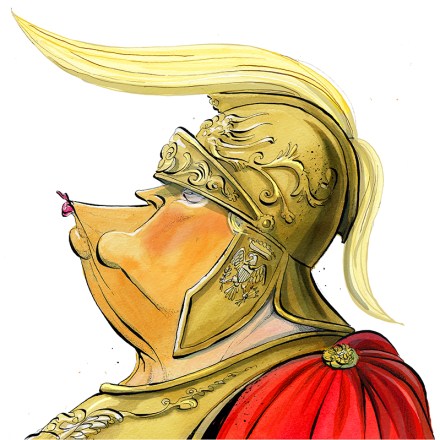
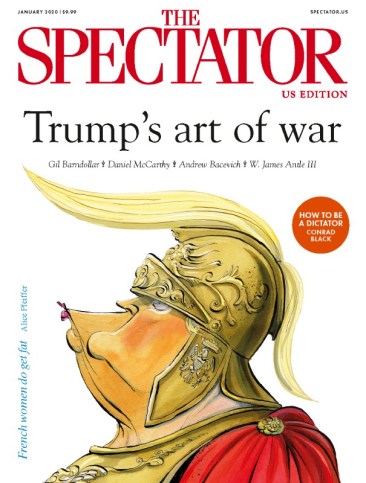
The case for Genghis Trump

This article is in The Spectator’s January 2020 US edition. Subscribe here. America has a problem, and it’s not Donald Trump. Suicides and deaths by overdose are up; life expectancy is down. The country that led its allies to definitive victory against both Nazi Germany and imperial Japan in just four years has now been fighting in Afghanistan for nearly 20, with no end to the Taliban in sight. Wall Street prospers but young Americans are deep in debt, manufacturing employment is in decline, and the Great Recession of a decade ago revealed how fragile and irrational the whole financial system is. For all the talk we hear about ‘polarization’, the policies that led to these grim results were born of bipartisan consensus.

How to end endless wars

This article is in The Spectator’s January 2020 US edition. Subscribe here. ‘Great nations do not fight endless wars,’ President Donald Trump declared in his 2019 State of the Union address. Simultaneously benign and radically subversive, this simple statement may well qualify as an important moment in the Trump era. Here was a notably dishonest president calling attention to a truth that the political establishment appears intent on ignoring. Any objective look at the record of US military actions since 9/11 would reach similar conclusions. The politicians ordaining our wars have been reckless and incompetent. The soldiers sent to fight are brave but badly misused. And the people in whose name these wars are waged are oblivious to what has occurred.

endless
polls

Polls apart

This article is in The Spectator’s January 2020 US edition. Subscribe here. Galileo famously said that the book of nature is written in the language of mathematics. But what made him so important in the history of science was his further insight that mathematics, in order to reveal the laws of nature, had to be empirically tested. Mathematical formulae described what he thought would happen; he had to clamber up the leaning tower of Pisa and drop the two balls to convince us that objects of different masses fall at the same speed. I am not sure that most modern pollsters have taken Galileo’s second insight fully on board. The modern pollster tends to be in love with his model.

How to lose votes and bore people

This article is in The Spectator’s January 2020 US edition. Subscribe here. If we can’t be governed, we may as well be entertained. That’s become the ethos behind the Donald Trump presidency. The national debt might continue to bulge, our military might remain pointlessly overextended, our healthcare system might stay ablaze, but at least politics has become funny in a nothing-matters, Rick and Morty kind of way. Americans upvoted a man who’d spent hours on the Howard Stern show boasting about his sexual prowess, and we expect to be amused, dammit. So why has the news lately been so dreadfully boring? The fault certainly doesn’t lie with Trump.

lose
freedom

2019 was not a good year for freedom of speech

This article is in The Spectator’s January 2020 US edition. Subscribe here. ‘Crisis? What crisis?’ That’s often the response of complacent academics when people like me draw attention to the erosion of free speech on campus. For instance, Lee C. Bollinger, the president of Columbia University, wrote an essay for the Atlantic last June entitled ‘Free Speech on Campus is Doing Just Fine, Thank You.’ But is everything rosy in the groves of academe? I thought I’d take this opportunity to look back on the year gone by and see if 2019 was a good or bad one for intellectual freedom in American higher education.

No presidency for old men

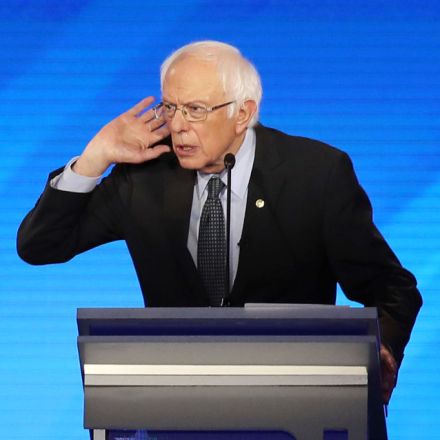
What a thrill! Last night, I was dining with a friend in Piccola Italia, a charming restaurant in Manchester, New Hampshire, when who should walk in but Bernie Sanders! He was having dinner (chicken parmigiana) with film director Michael Moore — more stardust! — and an entourage of about 15 people, including a low-level security detail. Half the restaurant stood up and cheered and clapped as he walked to his table. But then Bernie took the electric atmosphere and promptly switched off the power. As fans clutched his hand — one enthused, ‘Thank you for everything’ — Bernie looked like a rabbit trapped in the headlights, quietly saying, ‘Thank you’ and ‘All right’.

old