Food & Drink

The fast and the furious

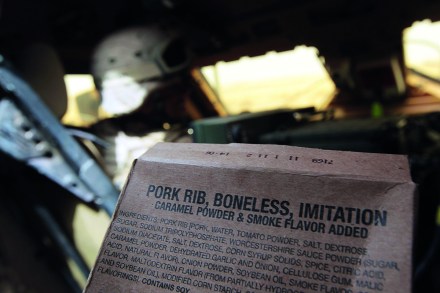
This article is in The Spectator’s March 2020 US edition. Subscribe here. If the Roman Catholic Lent can be exemplified by fish fries, the Byzantine Catholic Lent can be encapsulated by Patrick Bateman’s final monologue in the movie American Psycho: ‘My pain is constant and sharp, and I do not hope for a better world for anyone. In fact, I want my pain to be inflicted on others.’ I am not a misanthrope. But a mere several days into the Byzantine Great Fast preceding Easter, going to social events can be torturous. The sight of meaty or cheesy foods causes me to want to pull the pin from my corporal grenade of self-control.

fast
israeli cuisine

Let’s eat: Israeli cuisine is coming of age

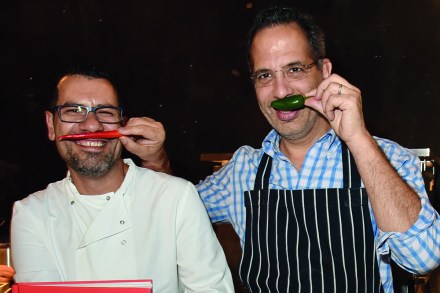
This article is in The Spectator’s February 2020 US edition. Subscribe here. Being a Zionist is a complex business, not least because, like supermarket hummus, there are so many varieties. There are settlement-hungry messianists and utopian socialists, hard-right annexationists and soppy liberals who still dream of exchanging land for peace. It’s an identity that can confuse even its devotees. I’ve tended to belong in the last camp, but in recent years I’ve drifted from political Zionism altogether. It’s so draining, so deadlocked, so knotty and angst-ridden. I made a decision a few years ago to dial back my engagement with Israel, and life was a little lighter as a result. But it left an absence.

A Trumpian feast

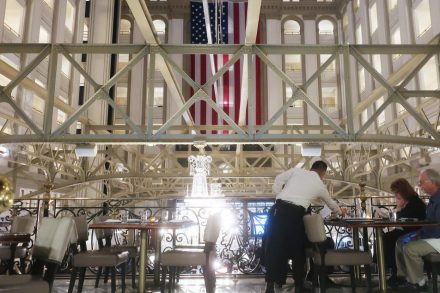
This article is in The Spectator’s February 2020 US edition. Subscribe here. Donald Trump serves the best food in Washington. The residents of DC won’t say so, but it’s true. America’s capital has a lively food scene, with many excellent restaurants. None is better than the two that are in the soon-to-be-sold Trump International Hotel on Pennsylvania Avenue: Sushi Nakazawa and BLT Prime by David Burke. Burke’s joint is absolutely my kind of place. It’s in the hotel lobby. The building used to be a post office before the Trump family converted it. The enormous glass-roofed lobby area is a marvel: put politics to one side and admit that it is an extraordinary achievement.

trump dc

California bound

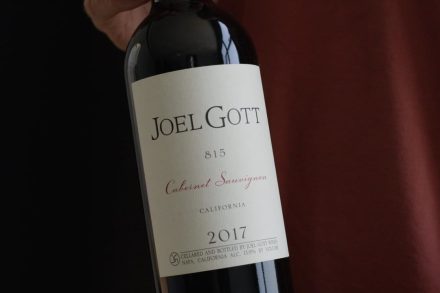
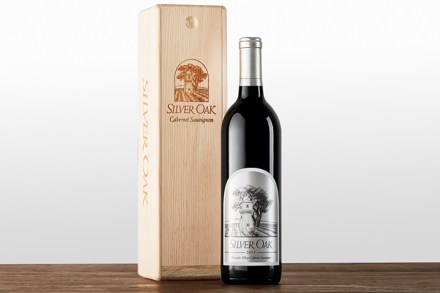
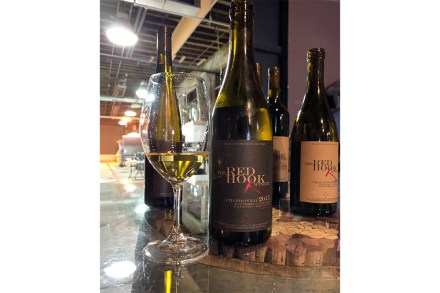
This article is in The Spectator’s February 2020 US edition. Subscribe here. I think it was from the late Roger Scruton, back when he was writing about wine for another magazine, that I learned the importance of being a terroiriste — not, nota bene, a terrorist. That, as Qasem Soleimani learned to his sorrow, is something else entirely. No, what Sir Roger had in mind was the importance of environment to the production of delicious wine. Terroir means the composition of the soil, yes, but it also means so much more. One dictionary sums it up as the ‘complete natural environment in which a particular wine is produced, including...the soil, topography, and climate’.

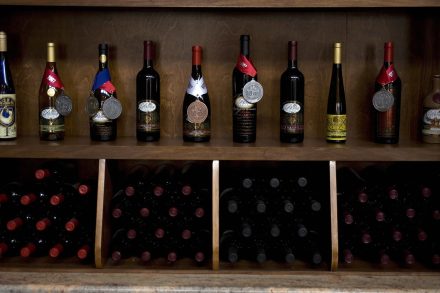
Award winning bottles of wine

My vegan hell

This article is in The Spectator’s February 2020 US edition. Subscribe here. The children are eating eggs and bacon by the time I make it downstairs. A pair of frozen hash browns sits lonely on the plate at the head of the table. They have been cooked in a separate pan, one greased in vegetable oil rather than butter. I scold myself for the bitter glare I cast upon the urchins crying ‘Good morning, Daddy!’ They cannot know that the crisp pork fat and fried eggs lie on their plates only because Daddy has agreed to go vegan for the amusement of Spectator readers. The English never seem to tire of starving the Irish. At least there are potatoes this time around. Vegans forsake leather in their belts, wool in their coats and any animal product in their mouths.

Vegan

The conservative case for opposing ‘ag-gag’ laws

Activists from the animal welfare group Direct Action Everywhere (DxE) last week released photographs taken on an Iowa pig farm. They claimed they had walked through an open door, photographed pigs suffering from hideous rectal prolapses and open sores, as well as what appears to be overcrowding. The photographs were taken last April, and the activists have claimed that they withheld the pictures to avoid the accusation that they had contaminated the living conditions and endangered the pigs. Ironically, they have received criticism both for endangering the pigs and for withholding evidence.The owner of the farm is Republican State Sen. Ken Rozenboom.

ag-gag

French women do get fat

This article is in The Spectator’s January 2020 US edition. Subscribe here.Paris ‘And please meet Alice, who has brought industrial cheese,’ said our Parisian host as she introduced me to the other dinner guests. Imagine my despair! I had failed her, not to mention her guests, on the sacrosanct fromage. A fate worse than death. Food is a national obsession for the French. The couple throwing the party presented us with a three-course meal, all made from scratch using seasonal produce from the local market. To think that I almost brought a six-pack of beer.

french women

Back in the USSR

A perfect summer day in the wild woods west of Moscow. Around us, slender birch saplings lean together, lean apart, like elegant dancers swaying to the music of the wind. Buckets in hand, Dmitri Denisovich and I walk between shimmering streaks of brightness and patches of shade, collecting mushrooms. Every Russian knows the names of at least a dozen forest mushrooms. Adults and children alike are said to be able to follow their rich musty fragrances into the darkest glades, recognizing the tastiest, rarest and most poisonous fungi. ‘Lisichki!’ cries Dmitri, spotting a cluster of yellow ‘little vixen’ chanterelles. ‘My favorite.’ In eastern Europe, all the food is on the table; in the West, it’s all in the cupboard.

russian food

Standing up to eat is the new line in dining in DC

This article is in The Spectator’s January 2020 US edition. Subscribe here. Going into Spoken English, you feel a little like Henry Hill taking the back entrance to the Copa in Goodfellas. Wander into the Line Hotel, past the check-in, take a right past the elevators and enter the kitchen. It works best if you’re with someone you need to impress. Unfortunately, this time I’m with a Spectator editor. The Line is one of DC’s newest and hippest boutique hotels. That’s another way of saying it’s slightly less boring than the Hilton about five blocks away.

standing

Who invented the hamburger?

The hamburger is the perfect meal in the hand, eaten by workers on their lunch breaks, or by families who cannot afford fancy restaurants. It is the great comestible leveler, suitable alike for suburban barbecues and the front steps of tenement houses. The staple food of American democracy yields cheeseburgers, baconburgers, franchise brands, and drive-in outlets with total annual sales of five billion units. The precise origins of the patty, however, remain opaque. Nobody knows for certain who first thought of cooking a patty of minced beef and serving it inside a fresh-baked bun. The earliest use of the name was for an 11-cent dish, the ‘Hamburger steak’, served at a New York restaurant, Delmonico’s, in 1873. There is no mention of buns or relish.

hamburger

Bowl food: childhood memories have inspired a new craze for cookie dough

This article is in The Spectator’s December 2019 US edition. Subscribe here. In Greenwich Village, one block south of Washington Square Park, stands the flagship store of DŌ, ‘New York City’s first ever cookie dough scoop shop’. Opened in 2017 by an American designer with fond childhood memories of baking with her mother, DŌ is now so popular that it requires a special line policy, as in: ‘SINGLE FILE so that pedestrians can still use the sidewalk.’ Often, a line of hundreds of customers can be seen snaking around the block, eagerly awaiting tubs and cones of its buttery, sugary (and uncooked) batter.

cookie dough

For duck’s sake: New York’s foie gras ban is classic political posturing

This article is in The Spectator’s December 2019 US edition. Subscribe here. Drown the Yquem and bury the Burgundy! Cover up the caviar! Abscond with the escargot, and for good measure lock away the langoustines! The class war is coming to New York City. On October 30, the city council, taking a break from doing nothing about the homeless and the garbage, passed a law prohibiting the sale of foie gras — fattened duck or goose liver — beginning in 2022. Of the 51 members, 42 voted in favor and 30 signed on as co-sponsors.

duck foie gras

Transparent spirit: craft distilling has come to Washington DC big time

This article is in The Spectator’s December 2019 US edition. Subscribe here. A white cross once rested over the door of the windowless warehouse at 1135 Okie St NE in Washington, DC. Residents seeking a reprieve from the street gangs and drugs that plagued the Ivy City neighborhood would huddle on the second floor and listen to the holy men of Old Ship of Zion Baptist Mission Church preach deliverance. Deliverance came. Crime plummeted. The violence and poverty along H Street gave way to Zagat-rated restaurants, organic markets and boutique bars. The closest thing you’ll see to weapons now in Ivy City is at Kick Axe, a new watering hole offering flannel-clad Capitol Hill staffers the opportunity to have a drink and, well, throw axes at wooden boards.

distilling spirit

Everyone’s climbing aboard the Beyond Meat gravy train

This article is in The Spectator’s November 2019 US edition. Subscribe here. It’s summer in Wokeville, California, and the denizens congregate in their backyards, popping open craft beers and passing around kelp-flavored rice chips as the Beyond Meat burgers sizzle on the solar-powered grill. As Brad Paisley would say, it’s just another American Saturday night. Er. Wait. Not sure I caught that right. Backyards, yes. Craft beer, yes. Rice chips, well, OK. But did you say Beyond Meat? I am sorry to report this, dear residents of Everywhere Else, but yes, that’s what’s cooking in Wokeville these days.

beyond meat

California drinking: forgive them their granola

This article is in The Spectator’s November 2019 US edition. Subscribe here. Cyril Connolly famously opined that every young man of spirit wants to do two things: start a magazine and start a chicken farm. That’s about half right, I think. It would have been more accurate if he had included a true, if often unspoken, heart’s desire: to be a wine critic. Do you know anyone — anyone you still speak to, I mean — who hasn’t wanted to be one? Every Sunday, my family and I participate in an august ceremony that extols a beneficent God through whose ministrations we accept the gift of vinum...fructum vitis et operis manuum hominum: ‘wine… fruit of the vine and the work of human hands’.

pax mahle california

Craft brewing’s Midwest comeback

This article is in The Spectator’s November 2019 US edition. Subscribe here. ‘No food or drink has evolved as much as beer in the past 15 years,’ says J. Ryan Stradal when we meet for a drink at the Beer Grotto, in Ann Arbor, Michigan. The author of the New York Times bestselling debut Kitchens of the Great Midwest is in the middle of his Midwest book tour. His latest novel, The Lager Queen of Minnesota, is a multi-generational saga that starts with two sisters, a stolen inheritance and a dream of making the best beer in Minnesota. It’s a family story told through beer goggles, which charts the evolution of Midwestern brewing from the 1960s to the present day.

craft

Nostalgia sells — but you have to get it right

This article is in The Spectator’s November 2019 US edition. Subscribe here. People don’t believe me when I tell them we created Hendrick’s Gin 20 years ago — mostly because the bottle looks like it’s been on the market for more like a century. Over the course of those 20 years, we’ve gone from an unusual little gin to a global brand. We sell more than one million cases a year. The secret is nostalgia. Most of the products we design at Quaker City Mercantile, the creative agency I run in Philadelphia, are known as ‘nostalgia’ brands. Nostalgia can be a powerful thing, but it’s not as easy as slapping a faux-vintage label on and calling it a day. Any nostalgic design has to come from an inherent truth about the brand.

hendrick's nostalgia

Pasta, like all good things, should come to an end

Olive Garden’s ‘Never Ending Pasta’ promotion, I’ve come to believe, is an accelerationist ploy. For about $11, you can engorge yourself with your pasta of choice, paired with your selection of a sauce, many of which catch the American eye with the adjective ‘creamy’ or ‘five cheese.’ Authenticity is an afterthought in the fever dream that is ersatz ethnic dining in endless proportions. And with $100 and a bit of luck, you could have purchased a ‘Never Ending Pasta’ pass — the 24,000 winners of this pass can indulge in the creamiest pasta with the crispiest toppings for nine weeks, unlimited. They can eat their weight in pasta without ever having to see the bottom of their ceramic dish staring back at them.

pasta

The trouble with the Petersons’ ‘carnivore diet’

One of the odder statements of Canadian self-help supremo Jordan Peterson is that his health problems have made him so sensitive to food and drink that when he drank some apple cider he did not sleep for 25 days straight. This, if true, would mean that he had doubled the record for the longest time of constant sleep deprivation. Insomnia? It happens. Cider-induced insomnia? Perhaps. Cider-induced sleeplessness that would make the inmates of Guantanamo Bay look well-rested? I can believe he thinks it happened but I can’t believe it happened.Peterson adopted an all-beef diet on the advice of his daughter, Mikhaila, who had been following a similar meat-based diet in what she claims was a successful attempt to treat her chronic auto-immune problems.

mikhaila peterson carnivore

Junk food is my American dream

This article is in The Spectator’s October 2019 US edition. Subscribe here. I love junk food in an insane, passionate way. Perhaps this is because I was a fat kid and though I am not a particularly fat adult, my fat kid-ness has never left me. I am firmly of the belief that if you were once a fat kid, it is an indelible state that can never be escaped, much as one might try. The state of fatness during those years made me who I am today. Or perhaps my love of junk food is just one of the things that makes me distinctly American. We Americans love our junk food. One in three eats it every single day and they do it because junk food is delicious and because junk food is largely an American way of life.

junk food