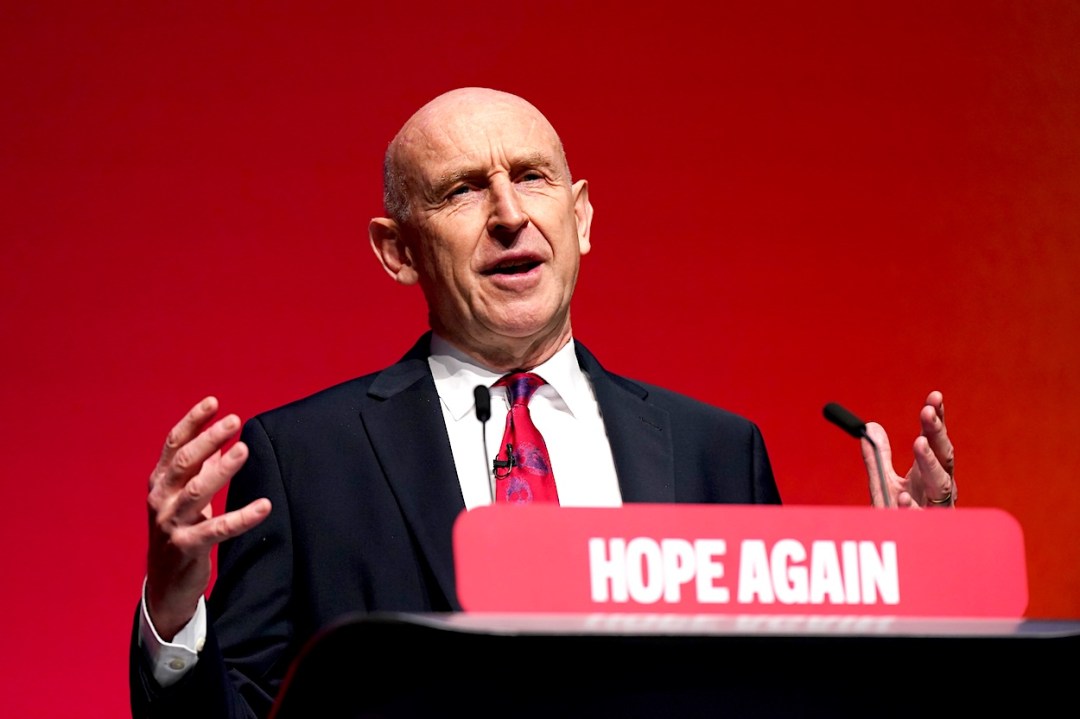
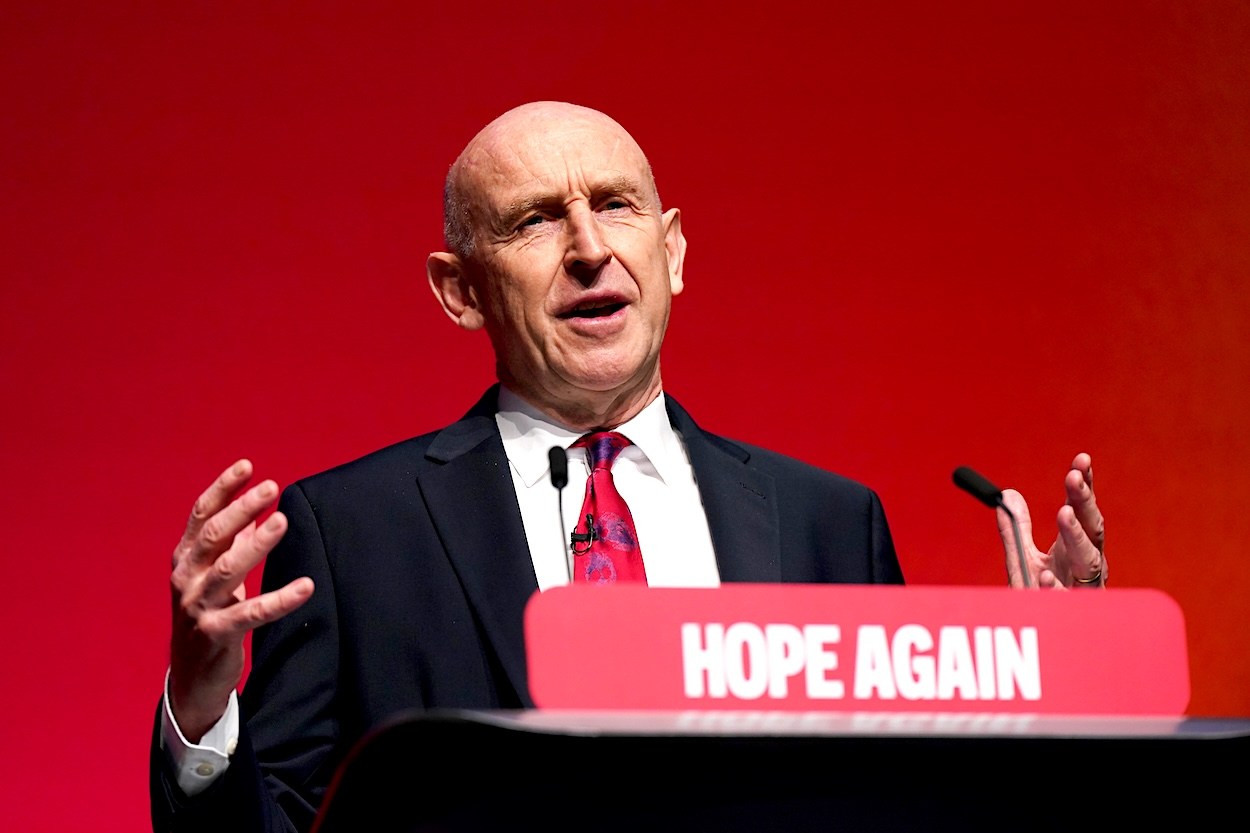
Britain is to have a sovereign oil fund similar to Norway’s, Chancellor John Healey announced yesterday. The Energy Wealth Fund will have an initial £2 billion, housed in the overall National Wealth Fund. The aim is to create something similar to Norway’s fund, worth $2.3 trillion, which is often praised as a model of financial foresightedness.
The announcement excited all the alternative historians who are broadcasting their counterfactuals. What if Margaret Thatcher had used the proceeds from North Sea oil to set up a wealth fund instead of making tax cuts? Even Healey told the BBC that ‘we’d have a sovereign wealth fund now that would be worth probably a trillion pounds’ if we’d copied Norway’s model. But would we have been able to make a fund as effective as Norway’s? And do we still have the chance to?
Norway’s sovereign wealth fund is actually two funds: the Government Pension Fund Global and the Government Pension Fund Norway. The latter is a smaller fund invested domestically, while the global fund takes the taxes from the oil and gas sector, money from exploration licences and dividends from the partly state-owned oil company, and invests them in foreign equities, bonds and real estate. It’s this one that is colloquially known as the ‘Oil Fund’, and it’s grown to become the largest in the world.
The Treasury modelled that Britain might have had a £1 trillion fund if it had invested the £200 billion in receipts from North Sea oil like Norway. But it’s worth noting that Norway’s fund is worth £290,000 per capita, which means it can have a greater effect when invested in public services. For Britain’s fund to have the same impact per person, our fund would have to be worth around £22 trillion – twice as much as the world’s largest asset firms, such as BlackRock and Vanguard. Norway draws down about 3 per cent of its fund per year to cover around a quarter of public spending, which lets the government run a public deficit of around 10.7 per cent before oil is factored in. If Britain were to draw down 3 per cent of a £1 trillion fund, it would allow for just £30 billion of public spending, covering less than a third of our debt interest payments.

When we make these comparisons with Norway, it’s often because we see it as another democratic European country with a large welfare state like ours. But, really, the make-up of Norway’s economy is more similar to that of a petrostate in the Gulf. As much as 20 per cent of Norway’s GDP comes from the oil and gas sector, and the decision to start the oil fund was intended to mitigate the price volatility of fossil fuels and the decline in future revenue. It also has a population of just 5.6 million, half that of the UAE (30 per cent of GDP in oil and gas) and almost the same as Kuwait (50 per cent of GDP in oil and gas). By contrast, the oil and gas sector in the UK is just 1.3 per cent of GDP, and even at its peak in 1985 it was only around 6 per cent. It’s odd that we would ringfence proceeds from oil and gas to be invested in the wealth fund. In the UK, telecoms and legal services are both sectors worth around 1.5 per cent of GDP, so why aren’t these considered for investment?
The sovereign wealth fund also requires long-term thinking and political discipline. Healey claims we should have created the wealth fund in the 1980s, but Norway didn’t start its fund until 1990, and even then, the first major deposit was made in 1996, equivalent to £335 million today. Given that the government decided to cut £30 million from army exercises in a scramble for cost-cutting, how long would it have been before our annual investments were picked apart? Every year there would be calls to raid the piggy bank to give more funding to the NHS, defence or other state spending before the fund had enough invested to generate a healthy return like Norway’s. The level of investment would also come under constant scrutiny given our spiralling debt. Our politicians aren’t exactly shining examples of prudence.
Even the sensible Norwegians have various ethical constraints on their investments. The Norwegian fund excludes several Israeli companies, tobacco companies and the largest aerospace firms, such as Boeing and Airbus (the latter because of their involvement in making components for nuclear weapons). It also excludes British firms such as Serco and G4S, the latter for alleged human rights violations. Already, the UK National Wealth Fund says its aim is to ‘support the government’s growth and clean energy missions’ and that local investment ‘will ensure that it does not do significant harm against our climate objective’. Over the coming decades, which other investments will a quango captured by metropolitan orthodoxy deem unethical? Given Britain’s track record, it’s unlikely that politicians or the quango will have the resolve to stop the wealth fund from being raided for parts in the coming years.





Comments