
After a week of international agonizing, it looks as if the first round of the latest peace talks between America and Iran will not begin today – at least, not formally.
The Memorandum of Understanding has been signed – electronically by Iran and by Donald Trump’s hand in Versailles on Wednesday. But J.D. Vance’s big Switzerland trip, originally planned to kick off the talks, has been put on hold as the Lebanon issue reared its troublesome head overnight.
Late yesterday afternoon, Hezbollah fired several salvoes of rockets at IDF targets, killing four soldiers. Israel responded with a wave of airstrikes in Southern Lebanon, killing 18 and wounding 33, according to the Lebanese ministry of health.
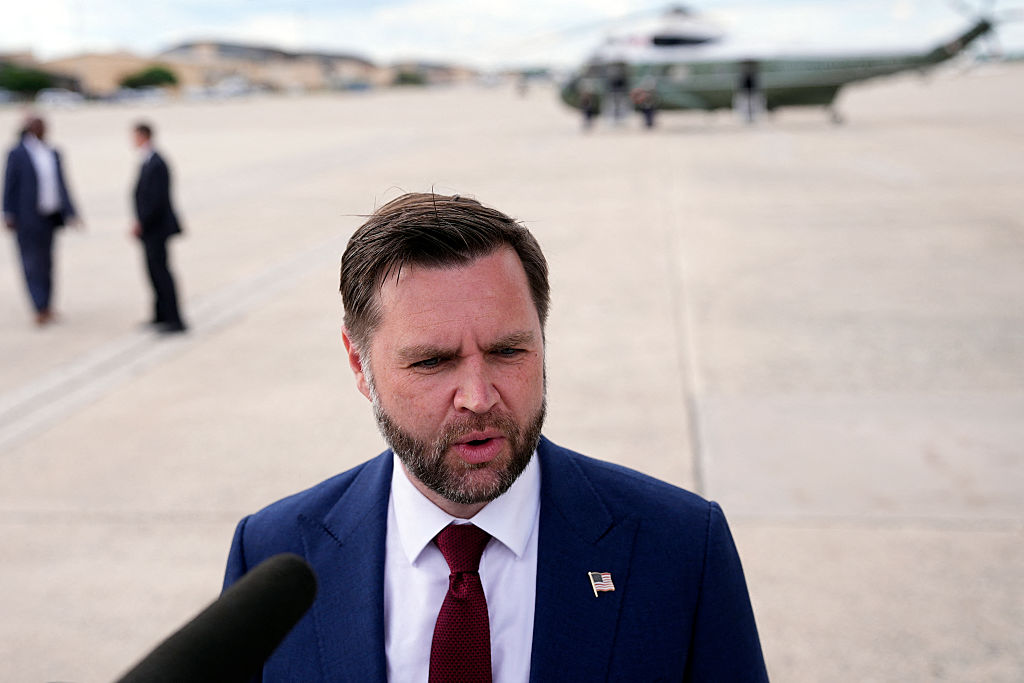
Insiders remain optimistic that Vance will still attend the talks this weekend. The Vice President’s staff and a gaggle of reporters were already at the Joint Base Andrews last night when the decision not to fly was made. The White House offered no clear explanation for the delay. But the cause is undoubtedly the ongoing violence in Lebanon – which is supposed to have stopped, according to the first clause of the MoU.
That said, sources at the mountaintop venue remain confident that the discussion has not been derailed and should begin in earnest this weekend. Mediation teams are already there, doing talks about the talks. Vance is still expected to fly, perhaps later today, and his planned handshake with Mohammad Bagher Ghalibaf, speaker of the Iranian parliament – a moment that is certain to infuriate Israel and its loudest supporters in America – may still happen tomorrow or on Sunday.
Whether the Iranians really are willing to jettison the peace talks over Lebanon is a matter of some intrigue. What’s certain is that Tehran sees the Levantine Front as a useful way of driving a wedge between Israel and the US.
As Trump and Vance have made clear this week, the US is frustrated with Israel’s unwillingness to dial down its aggression against Hezbollah in order to smooth the peace process. Israel says it must defend itself against a hostile and active enemy. Trump says Tel Aviv is reckless about civilian lives.
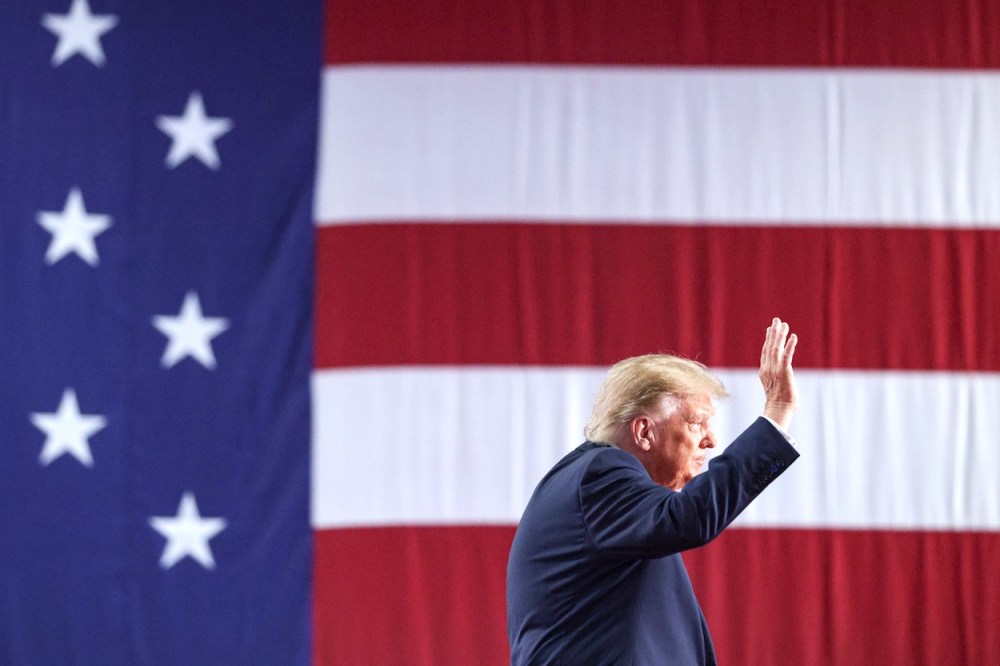
Trump said that, if the deal fails, he will “blame J.D.” He was only half-joking
At the G7 earlier this week, sitting with Emir of Qatar, the President told reporters: “You don’t have to knock down an apartment house every time you’re looking for somebody because there are a lot of people in those apartment houses and they’re not all Hezbollah that I can tell you.”
What’s clear is that, for the Gulf Cooperation Council (Bahrain, Kuwait, Oman, Qatar, Saudi Arabia and the United Arab Emirates), the distrust of Iran is outweighed by the urgent need to stop the war and get the regional economy flowing again. And, although Israel remains Trump’s key ally, his administration increasingly shares the Gulf state view that Israel is now the chief obstacle to de-escalation.
In several interviews and public appearances yesterday, Vance spelled out his frustrations with Benjamin Netanyahu’s government.
“If I was in the cabinet of the Israeli government, I might not be attacking the only powerful ally that I have anywhere left in the entire word,” he said during a White House press briefing. “The other thing that I would say is that over the last three months, two-thirds of the defensive weapons that have protected your homeland have been built by American hands and paid for by American tax dollars.”
Vance is adamant that “not a cent” of US taxpayer dollars will go towards the $300 billion fund for the reconstruction of Iran. That money will come from Iran’s frozen assets and Gulf-state partners, and America will not authorize its use unless Iran improves its “behavior.” At the same time, he is pointing out that billions of American military aid goes to Israel. His implicit threat is that, if Israel’s behavior does not change, it could see those contributions reduced or revoked.
Trump said this week that, if the deal fails, he will “blame J.D.” He was only half-joking. Certainly, a lot of Republicans will do exactly that. But Vance is betting that, as America’s relationship with Israel sours, being held responsible for the deal now might not necessarily wreck his presidential ambitions later. The next 60 days of “technical negotiations” – and ceasefires starting and ending – should provide some indication as to whether that gamble will pay off.




Comments