

For a decade, Donald Trump has loomed like a great orange Zeppelin over the conservative landscape. His whims, style and attitudes have shaped elections and influenced thinking among critics and allies. The Republicans’ disastrous midterm elections have consequences therefore for the British right.
For Reform, Trump’s decline risks compounding an ongoing identity crisis. The party’s pitch was about the inevitability of the radical right displacing the establishment centre. To see that rejected – so quickly, so comprehensively – after the heady days of early 2025, is a rebuke to Reform’s most strident voices.
Reform, like Trump’s GOP, has tried to balance insiders and outsiders, often uneasily, taking on disaffected Tories while seeking to maintain its radical mission. Yet as its polling has declined, internal disagreements about the party’s direction have mounted. Some fear that, as in America, a golden opportunity to establish a new right hegemony is being squandered.
Trump’s difficulties are not the end of populism; they may accelerate the competition to inherit it
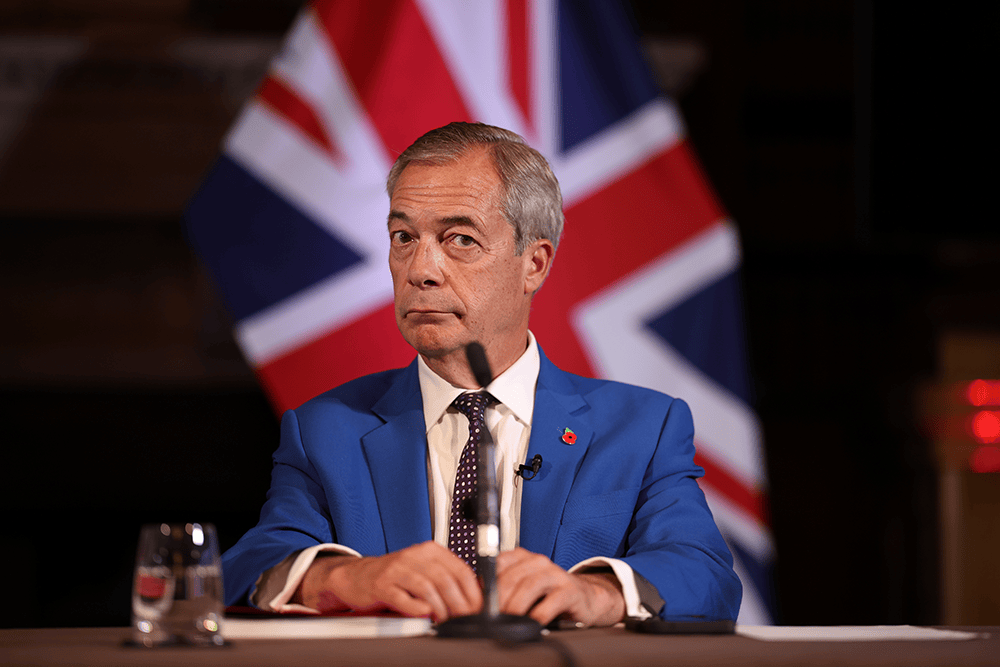
Amid a wave of damaging funding stories, Nigel Farage’s own poll ratings have dipped, with 73 per cent of voters now describing him as ‘sleazy’, according to YouGov. A ‘clear the air’ meeting was held last month in Millbank Tower between Farage and senior party figures. The Reform leader has asked his party to keep disagreements private. Increasingly, though, many feel close to breaking point. ‘The criticism of Nigel as a dictator is wrong,’ says one. ‘It’s the opposite. He needs to get a firmer grip.’
Tom Waterhouse, the party’s powerful general secretary, has left his post, having been a key figure in Reform’s post-2024 growth. In his resignation letter, Waterhouse wrote that the role was ‘all-consuming’ and ‘too much for one person’. His post will now be broken up, with a new vetting chief imminent. Waterhouse was closely involved in candidate selections. ‘They are making it up as they go along,’ complains one MP hopeful.
Farage, so often written off before, is aware of what America’s rejection of Trump could mean for him. ‘Nigel has put clear blue water there,’ says an aide. He has subtly shifted his language throughout the year. Speed and attention – two areas in which the President remains king – are where Reform believes it can thrive. The Tories, believe some in Reform, remain too wedded to fetishised free-market notions of the pre-Trump era, as they now try to stake out their pitch on affordability. It is no coincidence that Reform’s Treasury spokesperson, Robert Jenrick, an admirer of J.D. Vance, chose Wolverhampton, the birthplace of Poundland, for his pitch on Thursday. One aide suggests it is ‘quite antithetical to Kemi’s beliefs to care about the cost of living’.

Trump’s difficulties are by no means the end of populism; they may instead accelerate the competition to inherit it. Restore Britain, the breakaway force led by Rupert Lowe, is taking the online playbook pioneered by Trump to new lengths. It rarely bothers with the mainstream press, preferring podcasts, YouTube, Facebook and hefty algorithm juicing on X by Elon Musk.
With 12 regional co-ordinators hired, Restore wants to stand in every ward in next May’s council elections, with 2,500 members attending next month’s northern conference in Sunderland. Great Yarmouth and neighbouring Lowestoft are the seats targeted. ‘It’s no surprise we selected there first,’ says an insider. Restore is working on a discriminatory ‘red list’ policy for new arrivals, based on nationality, reflecting the shift which has characterised the right’s migration debate in recent years.
Many of Restore’s cheerleaders paddle in the internet’s murkier waters, while Reform dismisses the party as a Tory plot. But it would be foolish to pretend that Restore has no appeal: MPs of all parties report it coming up on the doorstep. In July, I walked the streets of Clacton with Farage. A smiling young couple with children came to one door. ‘I like that Rupert Lowe,’ said the husband. Restore leaflets went out here a fortnight ago, ahead of a potential by-election: ‘Clacton deserves better than the circus Farage and Reform have put its residents through.’
Among Conservatives, there is now hope of an inflection point. The party’s next steps rely on targeting two groups: voters earning £50,000 upwards and centre-right women.
Internal Tory discussions about targeting Reform sometimes focus on perceptions, however subjective, of respectability, service and that old British bugbear, class. This is something the Tories believe potentially divides Restore voters from Reform. At a recent upmarket dinner party, one Tory aide was struck by how many of the genteel thirty-somethings in the room were attracted to Lowe, the old Radleian and Norfolk farmer, rather than Farage, whom they perceived to be shop-soiled. Another notes how the south of England, with its array of Lib Dem seats, has arguably proven itself more receptive to a values-based appeal in recent elections than the transactional north.
Where Kemi Badenoch and her team accept that Trump initially got it right was in his early focus on delivery. Demonstrating that in opposition is always harder than in government; candidate selection is one way of doing this, but at this stage there is no real ideological pattern from the early association picks. Chelsea, Lichfield, Maidstone and Poole went for local sons and daughters; selections now loom in the Reform-held seats of Newark and East Wiltshire. ‘It’s too early to say what the next parliamentary party will look like,’ says one figure involved in selections. ‘It’s retirement seats where it gets tasty.’

As the right continues to scrap it out, Andy Burnham’s aides cheer with delight. At Prime Minister’s Questions, the likes of Matthew McGregor, the No. 10 political strategy director, can be seen looking on as his boss delivers lines about social security, designed to unite the left. Badenoch rejects any pact – but some in both Lowe’s and Farage’s parties remain open to talks about some kind of rapprochement. Eyebrows have been raised that a prominent Restore figure recently met Farage’s former aide Raheem Kassam at his restaurant, Butterworth’s, in Washington.
In the battle for the British right, it seems, it could once again all come down to the art of the deal.






Comments