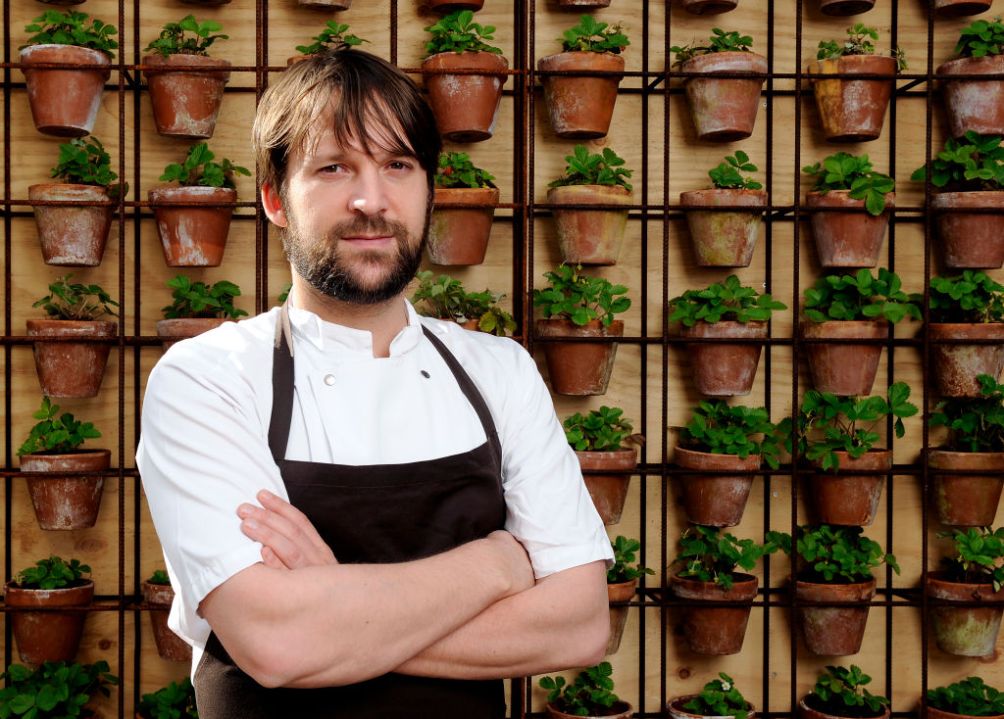
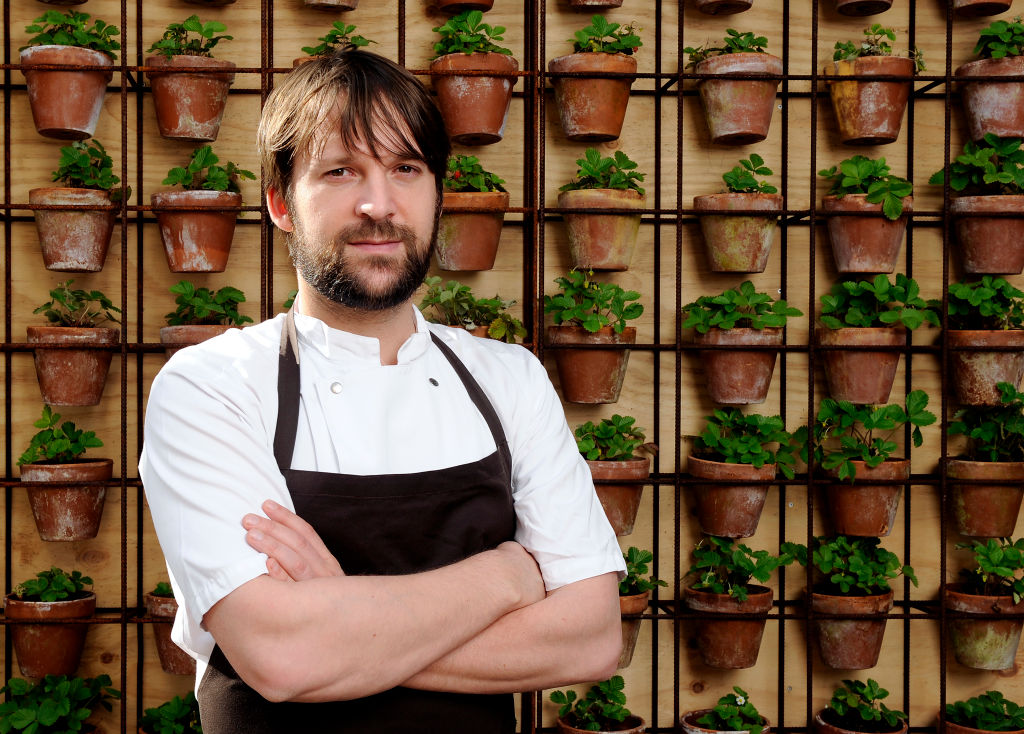
René Redzepi, the chef behind Noma, will have plenty to discuss with his therapist. A report in the New York Times, citing 35 former employees, described a pattern of bullying, humiliation and occasional violence in his kitchen. The chef has since resigned from day-to-day leadership of the restaurant and seen sponsors withdraw from his $1,500-a-night Los Angeles pop-up.
Redzepi’s temperament was well known by those around him, and until now mostly tolerated. Juniors (often unpaid) put up with it because working in his kitchen was a golden ticket for their careers. This unfortunately is a common sentiment across the fine dining industry – that good experience under a prestigious chef is worth any amount of exhausting work, poor treatment and toxic environment. When I was a fledgling chef, I also esteemed these individuals and had firm plans to join their ranks no matter the cost. Luckily I saw sense in my late twenties and left that world behind.
Cooking, unlike other high-pressure environments, like banking firms or production studios, suffers a great deal from the impression made by pop culture. Television in the 90s and 2000s began dropping the affable cookery stars like Keith Floyd or Julia Child, and gave way to the ballsy personalities of Marco Pierre White and later Gordon Ramsay. It was no longer about explaining a nice recipe, but more about the brutality of the restaurant kitchen and the self-centered heroism of the chef. More recently, programmes like The Bear or The Menu reinforced the public imagination that high-end kitchens are a hell hole full of hell hounds.

The ‘tyrant chef’ archetype became aspirational. Most vividly, Ramsay picked up many of the traits of his previous boss, Marco (the shouting, the insults, the impatience), and that character made him famous. Inevitably, I’ve met a few young chefs, almost fresh out of puberty, who went on expletive tirades against apprentices just a year less experienced than themselves.
To some extent this behaviour is needed in the kitchen, with its tight time constraints and need for perfect performance. To function you need abrupt instructions, fast reprisals and severe corrections. This is often not pleasant but it’s not bullying either. (In some cases it is also sorely needed – I once witnessed someone cook nitrate-cured beef for eight hours because it was still pink). But pop culture set a more extreme standard that aspiring chefs came to expect and eventually inhabit if they made it up the ladder.
There’s nothing inherent about fine dining that means the workplace should be so awful. The modern restaurant kitchen was designed to avoid chaos – August Escoffier during the Belle Époque of London’s dining scene said that: ‘In the old kitchens there was shouting, quarrelling and confusion, I wanted order, discipline and quiet.’ This calm precision and hierarchy transformed the restaurant kitchen into something that could produce consistent, high volumes of excellent food, all without the eruptions of anger and assaults on staff.
I’ve certainly had my fair share of unpleasantness in the kitchen. One porter came back from a break to find that one of his shoes had been wrapped in pastry and baked in the oven (quite perfectly, though, with egg wash and decoration). I’ve had hot pans thrown atme while I was at the sink (I was fine). A junior chef in our kitchen was screamed at because she had grated too many carrots, ‘do you think that was smart?’ the chef yelled in her face over and over. The sous once cut his hand so badly he fainted, but was still told to do dinner service while wearing a rubber glove, ‘to stop the blood getting in the food.’
Professional kitchens are a difficult place to work by nature, but this isn’t the problem. It’s that cruelty has been rebranded as authenticity. The leading chefs of our time, along with the glamorous support from television, has allowed a layer of meanness not just to be acceptable, but admired. There are many talented and high-achieving cooks who aren’t like this, but a select few use the tolerance of the kitchen as an outlet for their own sadism. As one of the Noma interns said, ‘René raised a generation of bullies, and they bullied us.’ The real test of the industry is if the next generation decides to raise another.



Comments