I moved to a village outside of Scunthorpe 16 years ago from New York. Before our move, I would often chat with the many limeys in Brooklyn at the playground, as you do to pass the time with a toddler, and I loved to drop in that I was soon moving to the UK. They always asked some variation of: which area of London? When I dropped the Scunthorpe bomb, they were stunned. Who moved from an urban paradise full of great coffee, amazing restaurants, plenty of fashionable boutiques and yoga studios… to Scunthorpe?
As a Samaritan, you sometimes hear very difficult and upsetting things. A big part of the work is not only supporting callers, but supporting each other as volunteers
We had our reasons. But I must say I really didn’t realise what I was getting myself into. To say that Scunthorpe was not flourishing would be an understatement. It was so dire that three years or so after moving here, McDonalds shut down its restaurant on the high street. That’s right, Scunthorpe high street could not even sustain a McDonalds.
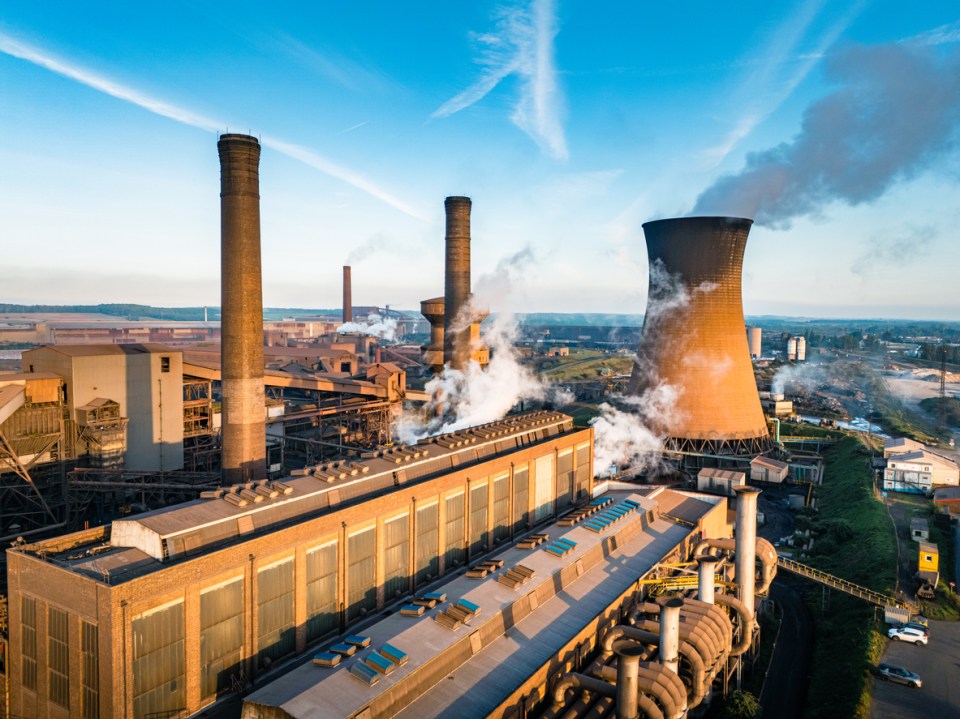
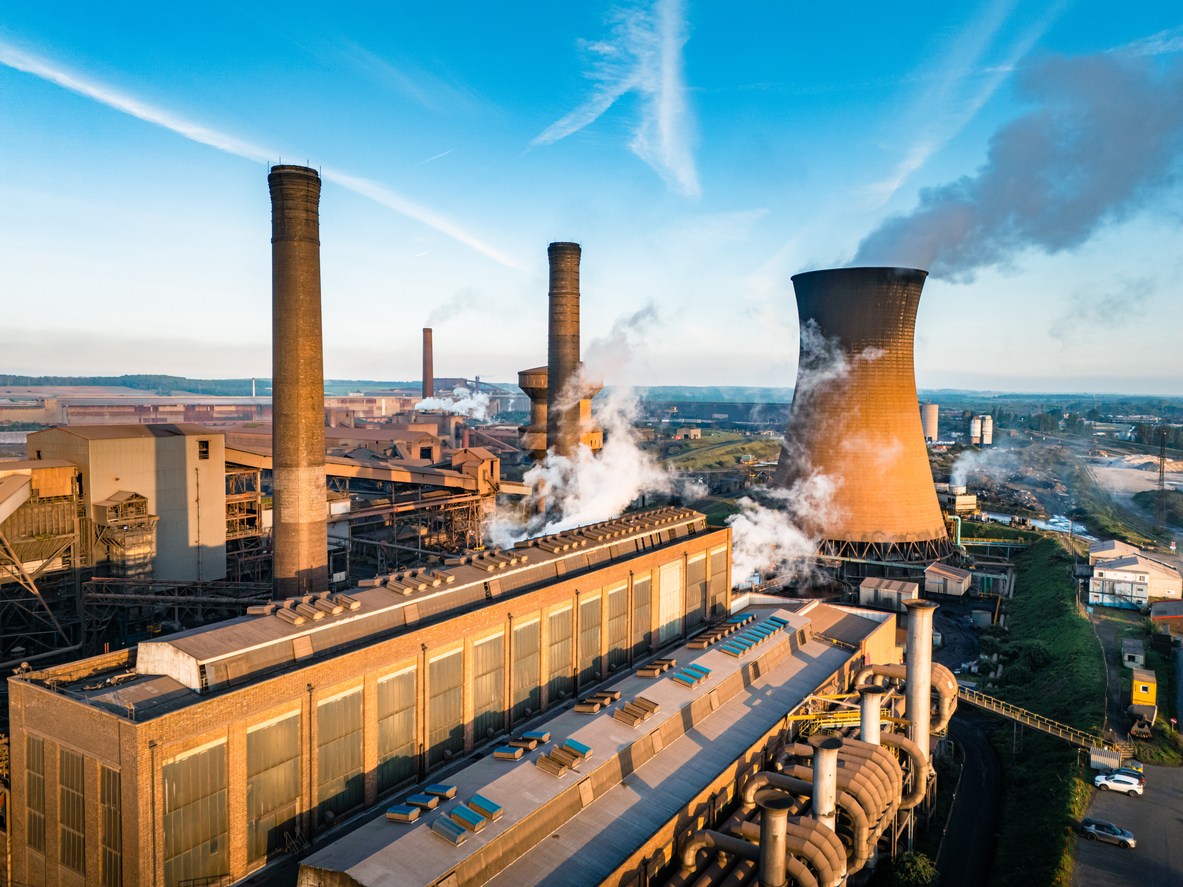
The restaurants aren’t the only thing that is struggling here. The economy is limping. The steelworks gave Scunthorpe a vast workforce in the 1960s and 1970s – at its peak, 20,000 people were employed there, with even more jobs for suppliers, contractors and manufacturing businesses which used the steel products. But since the 70s, Scunthorpe has been in steady decline – fewer employees are needed to run the steelworks, and the workforce serving it has shrunk. No other big employer has stepped in to take its place. Sure, there are several food processing plants, and there is some furniture and kitchen manufacturing nearby, but nothing has brought the same growth and prosperity to the area as the steelworks did.
One thing I could never have predicted before I moved here was how left behind an area could be. When politicians talk about the north and call for a more equal Britain, they mean Manchester or Leeds, or maybe Newcastle, Liverpool and Middlesborough. Northern Lincolnshire wasn’t even touched by the HS2 project. Scunthorpe is an afterthought. If it’s mentioned at all it is because of the steelworks, which is hanging on by a thread.
The latest case of active neglect for Scunthorpe comes from the charity sector. The Samaritans have decided as part of their ‘future proofing’ plans to close the Scunthorpe branch because of demographics’. Its Scunthorpe branch has an operations building where volunteers answer calls, as well as a charity shop. The charity shop brought in enough income to cover the branch expenses. Even so, apparently, keeping a charity running in a dying steel town is not palatable to the head office and the board of trustees. They have decided they need to have bigger branch offices in bigger towns with the ability to take more calls. Areas with smaller branches and predicted lower rates of demographic growth will see their branches closed. The Scunthorpe branch is in good company, and is closing along with Caithness, Grimsby, Orkney, Shetland, Stornoway and Worthing.
This closure of the Scunthorpe branch has hit me hard personally as well as affecting a large community of volunteers. I signed up to volunteer for Samaritans in the autumn of 2020 and underwent intensive training to become a listening volunteer. I have met, been mentored and trained by, and worked with fantastic people at the Scunthorpe branch. Over the last six years, I have gotten to know many people from North Lincolnshire through my work with the charity, all with a common interest in helping people in crisis by providing emotional support. As a Samaritan, you sometimes hear very difficult and upsetting things. A big part of the work is not only supporting callers, but supporting each other as volunteers.
We have all been consoling each other about the loss of our branch. It is hard to understand how the leadership of the Samaritans charity can be so cold and calculating with their own volunteer teams. I have spoken with volunteers who have been with the branch for more than 30 years – most of their adult lives. It is a kind of collective grief we are feeling.
I didn’t need the Samaritans to explain to me that Scunthorpe is not exactly an up-and-coming place. A place where there are not many job opportunities, and where many of the best and brightest young people flee in order to find their fortunes.One of the very reasons why the Samaritans branch meant so much to the people of North Lincolnshire is that the economy is not dynamic here, the region is not full of opportunities, and that can make life very hard.
Having a national charity bail on an area where the original founder of the charity grew up (Chad Varah, the founder of Samaritans, was from North Lincolnshire and his brother opened the Scunthorpe branch 63 years ago) is just an example of a region going into economic decline and then becoming marginalised. And that marginalisation has a snowball effect where other services and opportunities disappear as well.
All I can say is I am hopeful for the future. I’m sure Scunthorpe will have its time in the sun again – it is a great place with lovely people. And the housing is not too expensive. As for me, I hear Mind has a branch in Scunthorpe and they are taking volunteers.





Comments