Ever since I started modelling aged 15, people have asked ‘have you ever thought about acting?’ After all, it would be the obvious next step: more fame, more recognition, more artistic credibility.
Acting never interested me as a child. It did interest me, however, at university. A severe case of unmedicated ADHD meant that any work requiring me to sit still made me squirm. Acting meant movement: I’d get to travel for weeks at a time, animate scripts, meet new people, go to parties, and accrue status. And because of my contacts in the fashion industry, it seemed like a ladder I wouldn’t have to climb from the first rung. Actors that book modelling jobs get paid more, so some managers try to get models a few acting jobs to raise their rate. So after being scouted by one, I gave it a go.
Performing for auditions often felt silly, and I tried hard to overcome my feelings of inner resistance. On one occasion I had to cry intensely, so spent an evening inducing myself into a state of great misery by mulling my worst memories. There are more pleasant ways to spend an evening. I’d much rather have played Scrabble and eaten a KitKat.
My life changed considerably halfway through university when I was medicated for ADHD. Finally, I could sit still and read for a full day without restlessness. This allowed new interests to blossom and so auditions took a back seat. I was then, perhaps due to my indifference, offered a lead in an indie feature. It didn’t have over-the-top star power, but the audition went well. When I read the full script, however, I had a change of heart. I pictured my grandmother excitedly attending the premiere only to watch her grandson appear on screen naked and humping. I turned it down.
The experience made me wonder why acting is such a dream among the young, and why famous actors are held in such deified regard. This wasn’t always the case. Until recently, actors had an appalling reputation. In Ancient Greece, for example, Plato wanted ‘imitators’ banished from the city as corruptors. The Greek hypokritēs meant ‘actor’ and it is where ‘hypocrite’ comes from: an actor was someone who lied for a living.
In Rome, the contempt for actors became law. Actors were infames – legally disgraced and grouped in the praetor’s edict with pimps and men who fought beasts for money. This attitude toward acting would persist through the centuries. The reasons were always the same: actors, like prostitutes, were selling themselves for the pleasure of strangers.
The shift in attitude came with cinema. While a stage actor could only be in one place at a time, a film actor could be in every town at once. By the 1910s, studios were selling names: Mary Pickford became ‘America’s Sweetheart’. The timing also mattered: cinema arrived just as the old ways of ranking people’s status in society were falling away. In Britain, every man over 21 got the vote in 1918, and aristocratic estates were being sold off after the war. America had never had an aristocracy at all. Stars filled the space: when Pickford married Douglas Fairbanks in 1920, the couple were treated like royalty. Being known by millions had become a rank of its own, and the old contempt gave way to worship.
Celebrity status was elevated further when mass prosperity arrived after 1945. Status follows scarcity, so once everyone had a house, a job, and a television, what remained scarce was being seen. Prosperity also made chasing fame cheap. If the bet failed, you still had a floor to land on, so a teenager dreaming of the screen was taking a free lottery ticket.
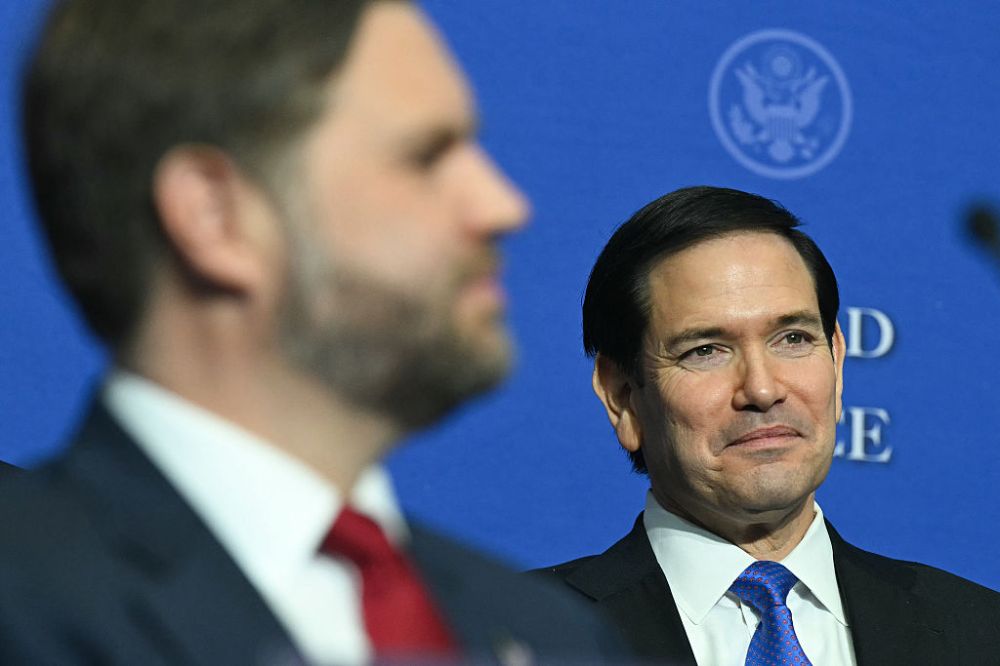
By the late twentieth century, celebrities began to be treated as authorities on various issues. They were invited to Downing Street, asked their views, and taken seriously by the media. Fame became a kind of credential. By 2010, more than half of 16-year-olds would rather be famous than have a career, a statistic reflected in the number of television programmes offering ordinary people instant celebrity.
Fame soon became common. Social media gave everyone an audience, so being seen stopped being scarce. Celebrities and actors, meanwhile, became too seen: talk shows and podcasts let them pronounce on politics and society, revealing to the public that being known isn’t the same as knowing anything.
Fame was always a poor stand-in for judgement
Add a tightening economy, and what is scarce now is not attention but security. Earlier this year, a YouGov poll found that only 9 per cent of Gen Z want to be famous, while 79 per cent would, like me, prefer a private life. This seems a healthy correction: fame was always a poor stand-in for judgement.
I was glad to learn my girlfriend is part of that statistic. Not long ago, she was offered the lead in a Netflix film but chose instead to take a job in fashion she’d spent years working towards. I was relieved that she turned the acting role down, partly because of the loss of privacy it would involve and the precariousness of the work, but mostly because one of the privileges of getting to know someone’s inner world is that it is only revealed to the few who earn access to it. That is also why actors who are in it for the craft, not the celebrity, deserve admiration for marrying themselves to their audience and giving away what the rest of us keep.



Comments