
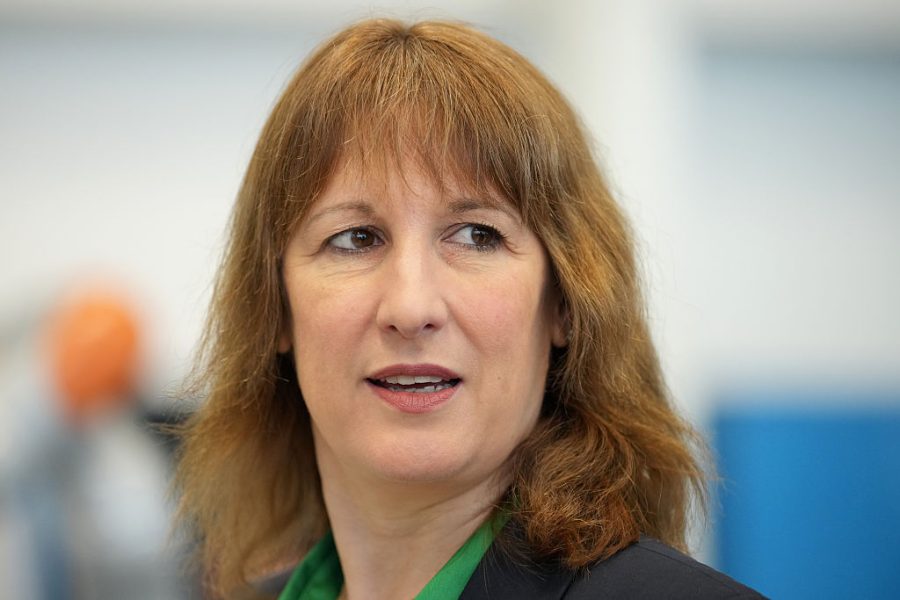
Today’s Spring Statement was intended to be the anti-Budget: no rabbits, no leaks, no lengthy speeches. After last November’s disaster, the Office for Budget Responsibility (OBR) was not entrusted to upload a copy of the Chancellor’s speech; even the name of the ‘Spring Statement’ was rebranded by Treasury spin doctors as a simple unexciting ‘forecast’. Rachel Reeves will gain some satisfaction that she achieved her primary goal: she got through her speech without committing much in the way of news. But the Chancellor’s unwillingness to create a convincing narrative simply means that it is the dry prose of the Treasury watchdog which will fill the headlines instead.
The OBR’s 131-page report makes for sobering reading. There are grim statistics aplenty to fill tomorrow’s newspapers.Welfare spending is set to climb by £18 billion this year to £333 billion, hitting £407 billion by 2031 – a number bigger than the GDP of Norway. The number of houses built this year will be 220,000, confirming Labour will miss the 1.5 million new homes target by 2029. Growth has been slashed from 1.4 per cent to 1.1 per cent fo 2026. Reeves’ delivery was confident and punchy, but cheering backbenchers are no substitute for GDP figures. As Robert Colvile of the Centre for Policy Studies remarked: ‘A Chancellor can rarely have sounded so excited to announce a downgrade in growth.’
It was a here today, gone tomorrow statement by Reeves
Reeves’ 25-minute speech was the shortest such statement since Philip Hammond in 2018. The parallels between the pair are arresting: two finance ministers beholden to events, deemed unsackable yet chained to floundering premiers. Her text was often as plodding as anything produced by ‘Spreadsheet Phil’, enlivened only by the occasional burst of colour. ‘If you import failed Tory politicians,’ she quipped to Reform, ‘you get failed Tory policies too.’ But for the most part it was the same lines she has ritually trotted out at every such occasion since 2024: Tory failure, Reform are just the same, a bit of Russia and some nice words about EU trade.
The Chancellor’s defenders will, not unfairly, point to the challenges abroad. The Iran crisis means that much of the OBR’s statement will need a rewrite, with Reeves’s hopes of a seventh interest rate cut this month now likely lying in ruins. As Ed Conway of Sky notes, the near 100 per cent rise in UK wholesale gas prices in the past 48 hours is now the biggest two-day rise since records began in the 1990s.
Being at the mercy of changing circumstances is, sadly, the lot of the holders of Reeves’ office. It was her predecessor Harold Macmillan who likened the job to rail journeys:
I am told that some of our statistics are too late to be as useful as they ought to be. We are always, as it were, looking up a train in last year’s Bradshaw.
Unlike Macmillan, Reeves demonstrated no dash of imagination today, no innovation nor sense of steel in tackling the grave tasks now facing this country. It was a here today, gone tomorrow statement by a Chancellor who will likely not get many more chances to set the agenda in Westminster.
Comments