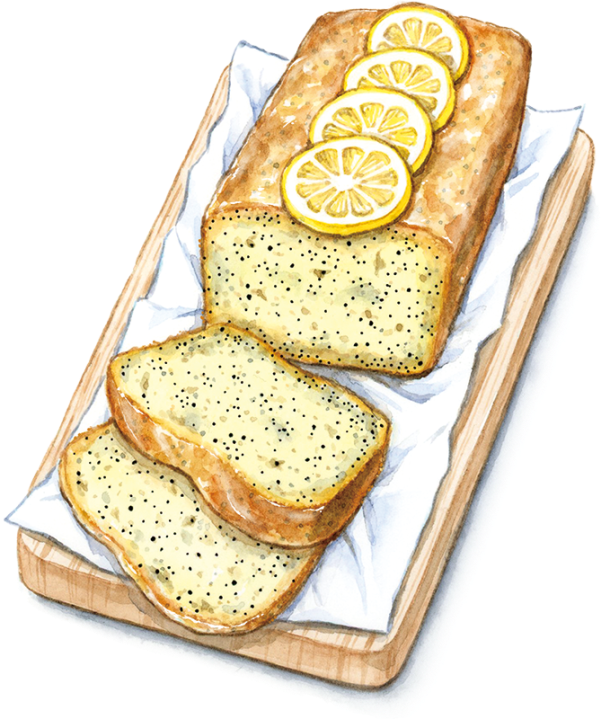

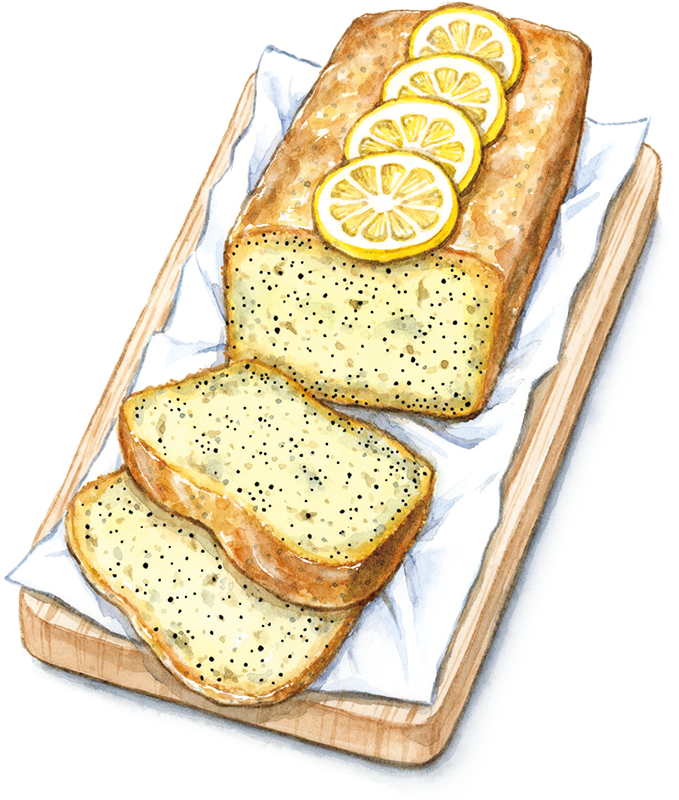
As always, I begin my year with lemons. Regular readers must forgive me for my citrus evangelism. But, as the spice and richness of Christmas fare gives way to the drudge of the diet industry and the reality of the back-to-work routine, all framed by short, dark days and cold, icy pavements, the cobalt yellow orb is a literal light in the darkness. What began as a way of bringing brightness and culinary optimism to the new year now feels like a battle cry.
Lemons are magical: they come into season during the winter months, their vibrancy at odds with the drab mornings, a flash of lightning in your fruit bowl. Their zipply zest and bracing sourness remind you that you are alive. I, for one, need that reminder. In January, I find my hand reaching to that fruit bowl more frequently than ever: to zest over a plate of pasta just before serving, or spritz into a butter sauce, to slice thinly and frazzle in good olive oil, or pare into an ice cold gin martini, each time waiting for their distinctive fragrance to fill my kitchen.

Writer Rachel Roddy describes that fragrance as ‘one of the loveliest kitchen scents. It should be prescribed on the NHS – for nothing in particular, simply lemon zest for life,’ which I love. It is that scent that draws me back over and over again, and that lights up my grey winter months. Eugenio Montale writes in his poem ‘I Limoni’: ‘qui tocca anche a noi poveri la nostra parte di ricchezza / ed é l’odore dei limoni’ – ‘now it’s our turn, us poor ones, to have a share of riches / and it’s the scent of lemons.’
Of course, for all my love of the gentle lift that lemons bring to savoury dishes, my heart belongs to cakes. And, contrary to the media onslaught, I think there is rarely a time we need cakes more than at the beginning of the year. So it feels only natural to me that I would bring lemons into my baking. That lemon perfume sitting against a soft golden sponge is its own category of comfort.
That citrus perfume sitting against a soft golden sponge is its own category of comfort
My lemon and poppyseed cake borrows heavily from Helen Goh’s lemon and poppyseed cake, found in Sweet, the cookery book she co-authored with Yotam Ottolenghi. Goh is a formidable pastry chef, recipe developer and writer; there are few cookery writers I trust more. Goh affectionately calls this her ‘National Trust cake’: the kind of cake which, no matter how disastrous the day out, can be relied upon to restore spirits in the cafe afterwards – ‘one of life’s great certainties’ – and when do we need that more than in a gloomy January?
This is precisely the sort of cake you’d find in a National Trust tearoom: served in thick slabs, prizing flavour over fanciness. In some ways, this is an unassuming cake, made in a loaf tin, with only a translucent glaze for decoration, and a speckle of poppyseeds to break up the expanse of sponge. It is not multiple layers, there is no buttercream; nor does it contain any trendy or unusual ingredients. But it’s also everything I want from a cake: perfectly balanced, beautifully tender and eminently sliceable. It is packed full of lemon zest, where the oils in the skin carry the most fragrant, long-lasting lemon flavour, and with enough poppyseeds to convey their flavour, too: an earthiness and nuttiness, which lend just the slightest bitter note to the sponge.
I am hugely indebted to Helen for bringing this particular style of cake into my life, and it has become a mainstay in our home. I have tweaked the recipe to my own taste and pantry stalwarts, but the key constituents remain the same. Unusually for a lemon sponge cake, it is not made in the pound cake model, with equal parts of eggs, sugar, butter and flour, enlivened with zest and then drenched with a lemon-juice syrup.
Instead, it’s a whisked sponge, where the sugar and eggs are whisked until thick, combined with a smaller amount of butter, and enriched with dairy. This makes it lighter, allowing the lemon to sing. When the cake comes out of the oven, instead of a syrup which sinks down through the cake, it is glazed with a thicker lemon juice-based icing, which sits on top of the cake, cracking as your knife breaks through.
Serves: 8
Hands-on time: 15 minutes
Cooking time: 1 hour
- 3 eggs
- 225g caster sugar
- 150g natural yoghurt
- 100g butter, soft
- 2 tbsp poppyseeds
- 3 lemons
- 200g self-raising flour
- ½ tsp fine salt
- 90g icing sugar
- Line a 900g loaf pan with greaseproof paper, and preheat the oven to 180°C/160°C fan.
- Using a stand mixer or electric hand whisk, whisk the eggs and caster sugar together until they are pale, opaque and thick. Add the yoghurt, and continue to mix for another two minutes.
- Melt the butter with the lemon zest from three lemons and poppyseeds.
- Gently fold in the flour and salt to the egg mixture, then fold in the melted butter, followed by the juice of two lemons.
- Pour the mixture into the lined tin, and bake for one hour, until the sponge is risen, golden brown and, when pressed gently with a finger, springs back.
- While the mixture is baking, make the glaze: sift the icing sugar and mix together with the juice of the final lemon. Once baked, spoon the glaze onto the top of the cake, and leave to set.
- Remove the cake from the tin, and leave to cool completely. The cake will keep for three days.




Comments