Freighted by a 350-year history, the Paris Opéra Ballet is a behemoth of an institution – lavishly subsidised by the state, hampered by barnacled traditions (including compulsory retirement on a full pension at the age of 42) and about twice the size of our own dear Royal Ballet. They do things differently there. Programming favours choreographers such as Pierre Lacotte, Maurice Béjart and Jiri Kylian – relatively unfamiliar in London – and the classics are dressed up in fancily revisionist productions by the company’s overly venerated former director Rudolf Nureyev (transliterated as Nouréev in French). Once famed for fabulously glamorous ballerinas – among others Élisabeth Platel, Isabelle Guérin, Agnès Letestu, of blessed recent memory – the roster currently looks stronger on the male side, with the likes of Hugo Marchand and Guillaume Diop commanding rock-star levels of adulation.
Over the Christmas period, the company was performing simultaneously at its two unsatisfactory homes – the depressingly magnificent Palais Garnier and the soulless Opéra Bastille. I was disappointed in what I saw in both venues on nearly every count – though I should emphasise that I did not catch one of the starrier casts.
Contrasts at the Garnier was an awkwardly matched mixed bill that scarcely lived up to its name. Revivals of two tame and unmemorable short works by postmodernist Trisha Brown were followed by David Dawson’s Anima Animus, a mindlessly tasteful parade in chic black and white featuring a lot of deliquescent lifts and pointless running around in a state of windswept ecstasy, almost identical in its vocabulary to Dawson’s Four Last Songs, staged by English National Ballet last autumn. The audience seemed to love it, but for me it was nothing but hot air, its vacuity epitomising so much of what is wrong with academic choreography today.
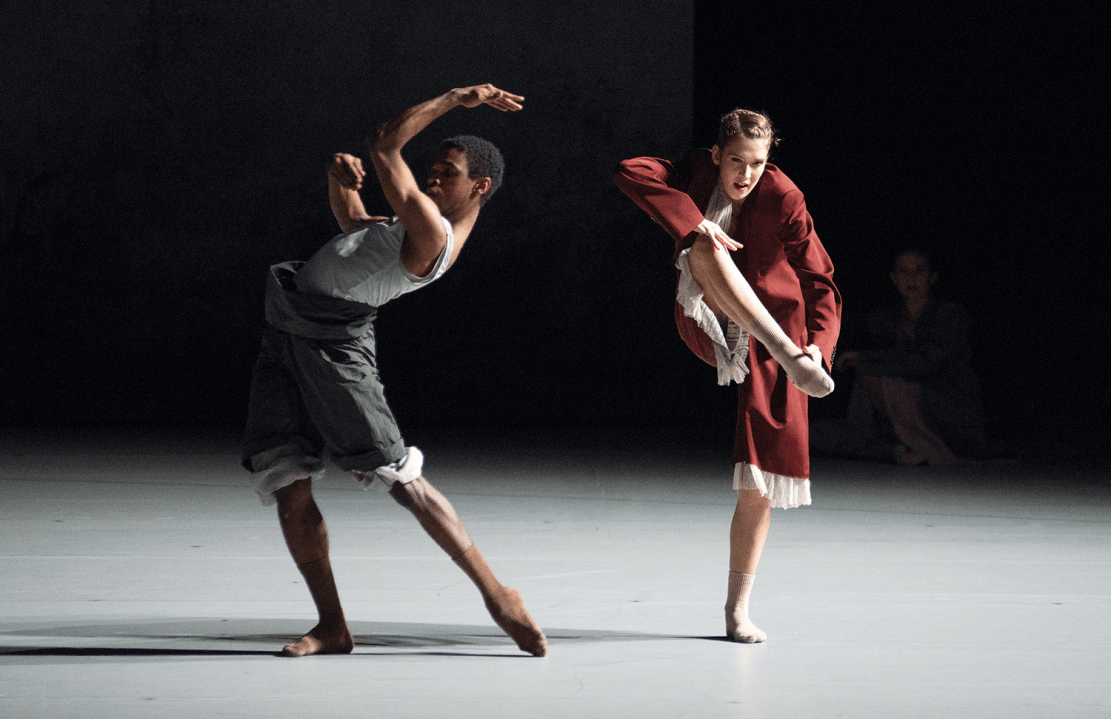
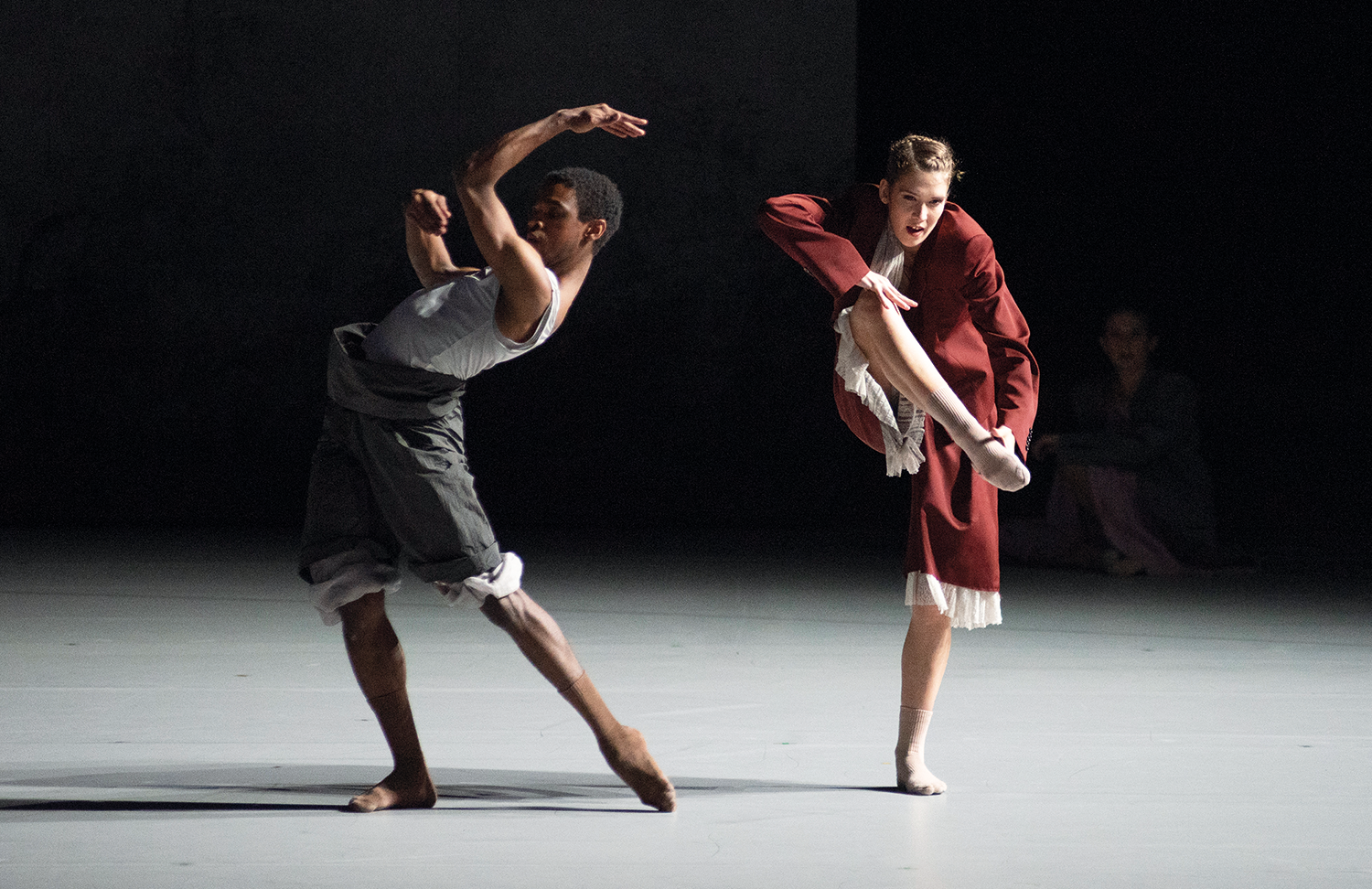
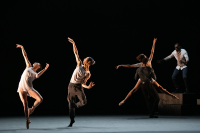
More interesting – at least it showed a glimmer of fresh theatrical thought – was Imre and Marne van Opstal’s Drift Wood. The blurb claimed this as ‘a reflection on the relationship between our essential human nature and the layers of conditioning that shape who we become’, but I read it much more specifically as the drama of fiercely contested survival games played by a dozen lost souls – shipwrecked perhaps, judging from their bedraggled clothes – as they wait for some nameless inevitable doom to pick them off. Only one couple makes it through, somewhat joylessly. There was tension here, and movement charged with psychological import, executed with gusto by junior members of the company, all vividly differentiated in personality.
At the Bastille, the big show was Roland Petit’s Nôtre-Dame de Paris, an adaptation of Victor Hugo’s novel about the medieval hunchback bellringer Quasimodo. Significantly, the ballet dates from 1965, the same year as MacMillan’s Romeo and Juliet and Cranko’s Onegin. Petit shared none of their devotion to classicism: he opts for an idiom much more stylised than they would have used, presenting the Parisian proles as a faceless mob waving jazz hands and the central female figure Esmeralda doing homage to the sex-on-legs vamping for which Petit’s wife Zizi Jeanmaire was notorious. There’s nothing truly lyrical; it’s almost caricature.
Quasimodo’s deformity is tactfully confined visually to a crooked arm and a sort of halting lope: Francesco Mura went for it all stops out without embarrassment – he compelled one’s attention, even if he didn’t tug at the heartstrings. Sae Eun Park as smouldering Esmeralda and Pablo Legasa as the villainous archdeacon Frollo both struggled to imbue their characters with any inner life.
Yves Saint Laurent has lavished garish fetish-wear costuming on the poor dancers, but what really dooms the enterprise is a dreadfully kitsch score by Maurice Jarre. The genius of Prokofiev and Tchaikovsky gave MacMillan and Cranko massive head starts, and 60 years after their creation, their emotionally nuanced narratives still communicate with a depth and richness that leave this spectacle seeming crudely conceived and coarsely textured.


Comments