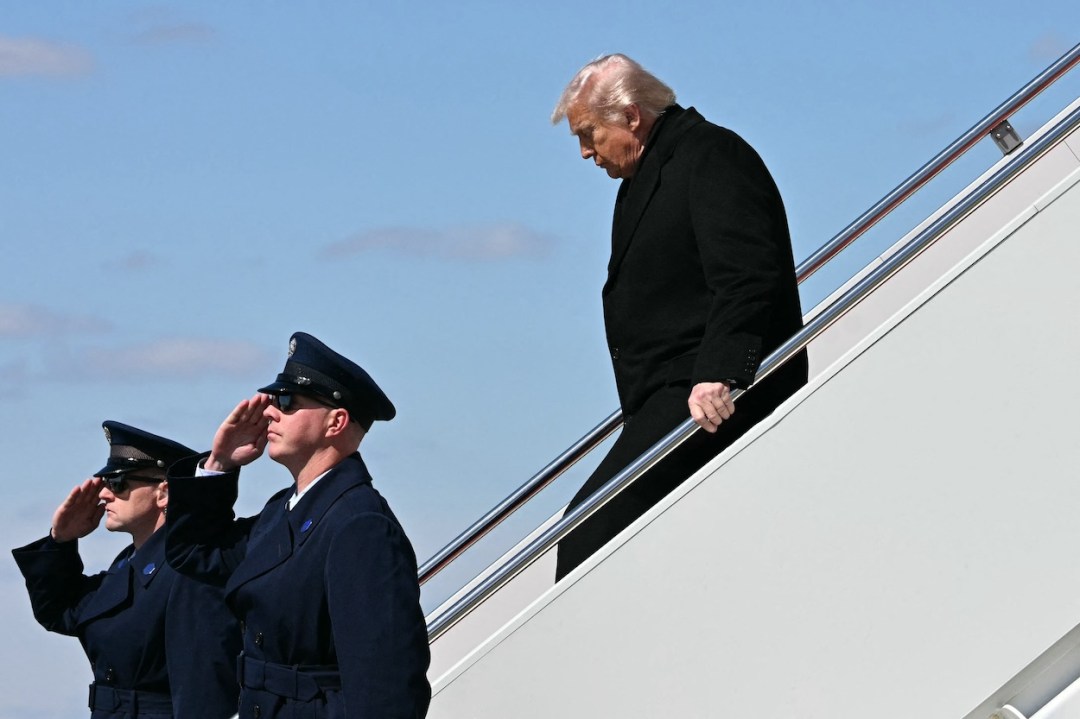
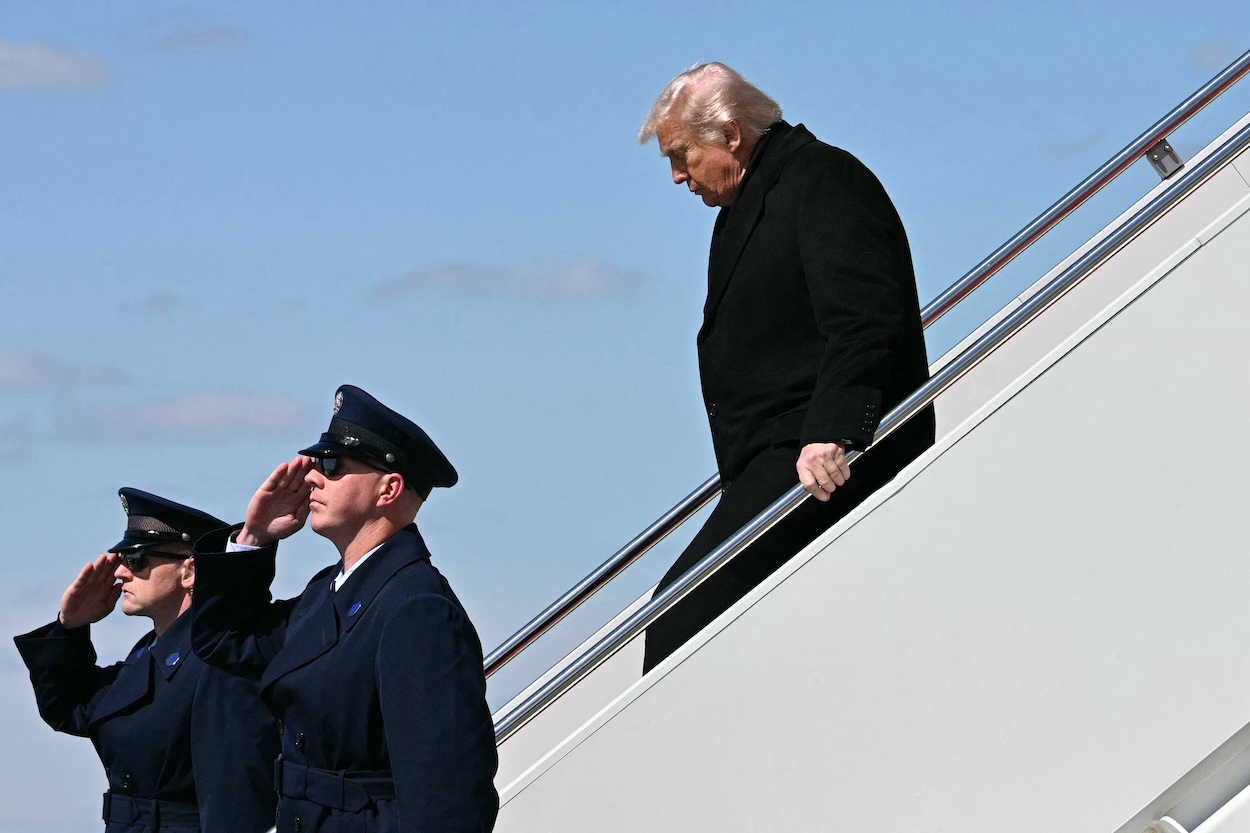
Have markets and governments horribly underestimated the fallout from the Iran war, or is it the doomsters who have got it horribly wrong? President Trump’s announcement has rather caught the world off guard. This morning, he posted on Truth social saying that he is seeking a negotiated settlement with Iran and has postponed his planned attacks on energy infrastructure. Many expected a huge escalation in hostilities this week. Could this be yet another example of TACO (Trump Always Chickens Out), or was his threat to bomb energy infrastructure another crafted bluff – and that order to the global economy will be swiftly restored?
At the end of this crisis, the the world ought to emerge with a restored faith in global capitalism
It certainly does not seem to be what the president of the International Energy Agency (IEA), Fatih Birol, was expecting. He claimed yesterday that the world is underestimating the risks. He said that the effect of the closure of the Straits of Hormuz is the equivalent of the 1973 oil crisis and the 2022 gas crisis, provoked by the invasion of Ukraine, combined. The 1973 crisis, he said, removed five million barrels of oil per day from global markets and the Ukraine crisis removed 75 billion cubic metres of natural gas. The current crisis, he says, has removed 11 billion barrels of oil and 140 billion cubic metres of gas. The IEA has started to sound a bit like the World Health Organization during Covid, calling for governments to launch emergency measures, such as lower speed limits on the roads and restrictions on air travel in order to save fuel.
Birol may well be right in that many people have underestimated the harm that would follow an extended closure of the Straits of Hormuz. There are going to be hard times ahead over the next few months. Inflation will rise, interest rates will remain high, and the global economy will be struck. Britain will be especially badly affected as the government has borrowed to the hilt and has voluntarily run down the oil and gas industries which could be protecting us from the worst. Fortunately, this crisis has come at the end of the northern winter, when heating demand is falling. It is not just energy, though, which has been undermined by the present crisis: fertilisers and plastics also rely on crude oil, while helium from Qatar is essential to the production of microchips.
Even so, it is not hard to foresee the reaction to this crisis. Industrialized nations are not going to stand around shivering. Capitalism, where it is allowed to, will ride to the rescue. Oil-producing nations outside the Middle East will increase their output in response to higher crude oil prices, whatever happens wit these negotiations. This will help counter the loss of the 20 percent of the world’s oil supply that until recently was flowing through the Straits of Hormuz. More marginal oil reserves will suddenly become more profitable to exploit. Who knows, maybe Britain will develop the guts to issue new licences for the North Sea, currently being attacked even by green energy entrepreneurs.
Saudi Arabia has already redirected 3.8 million barrels per day of oil production towards ports in the Red Sea, via an existing pipeline which is estimated to have a capacity of seven million barrels per day. It will surely find the means to transport more in this way, perhaps doubling up the pipeline. By comparison, Saudi Arabia has in recent years been exporting six million barrels per day through the Straits of Hormuz. It is astonishing how quickly the petrochemical industry can react when it does not have green zealots standing on its throat; remember how quickly floating liquefied natural gas (LNG) terminals were built off the coast of Germany to increase supply after the Ukraine crisis.
Meanwhile, consumers will respond by using less oil and gas. They will not need the IEA or their own governments to do this; price alone will persuade them to use less. Compared with the current moment, by the end of the year we will see increased oil and gas supply and reduced demand. The current surge in oil prices will be seen as just one more historic oil spike – just as the surge in gas prices in 2022 now shows up on graphs as a sharp spike rather than the permanent step-up in prices that many feared at the time.
It is true that oil prices did not rapidly fall after the 1973 crisis; it took a decade for them to fall back to where they had been on the eve of that crisis. But the global economy is a much more open and dynamic beast than it was then. The response times of the global petrochemical industry are likely to be rather quicker. At the end of this crisis, the world ought to emerge with a restored faith in global capitalism – as the machine that, once again, has kept us warm and fed.
Comments