A broken-down washing machine is generally regarded as definitely a Bad Thing. There is the expense and hassle of repairing or replacing the machine, the prospect of a flooded kitchen, and the sudden realisation that your underwear stock is … less abundant than you hoped.

But when our washing machine expired recently, I was secretly thrilled because it gave me an excuse to go to one of the few places on the planet that always makes me happy: the launderette.
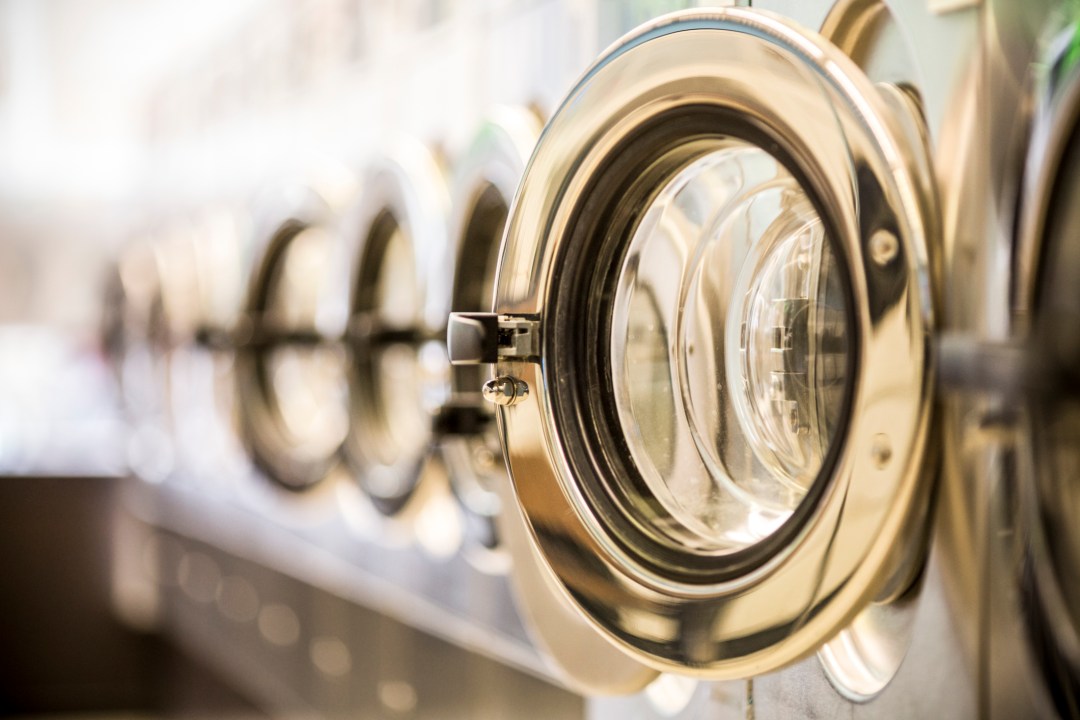
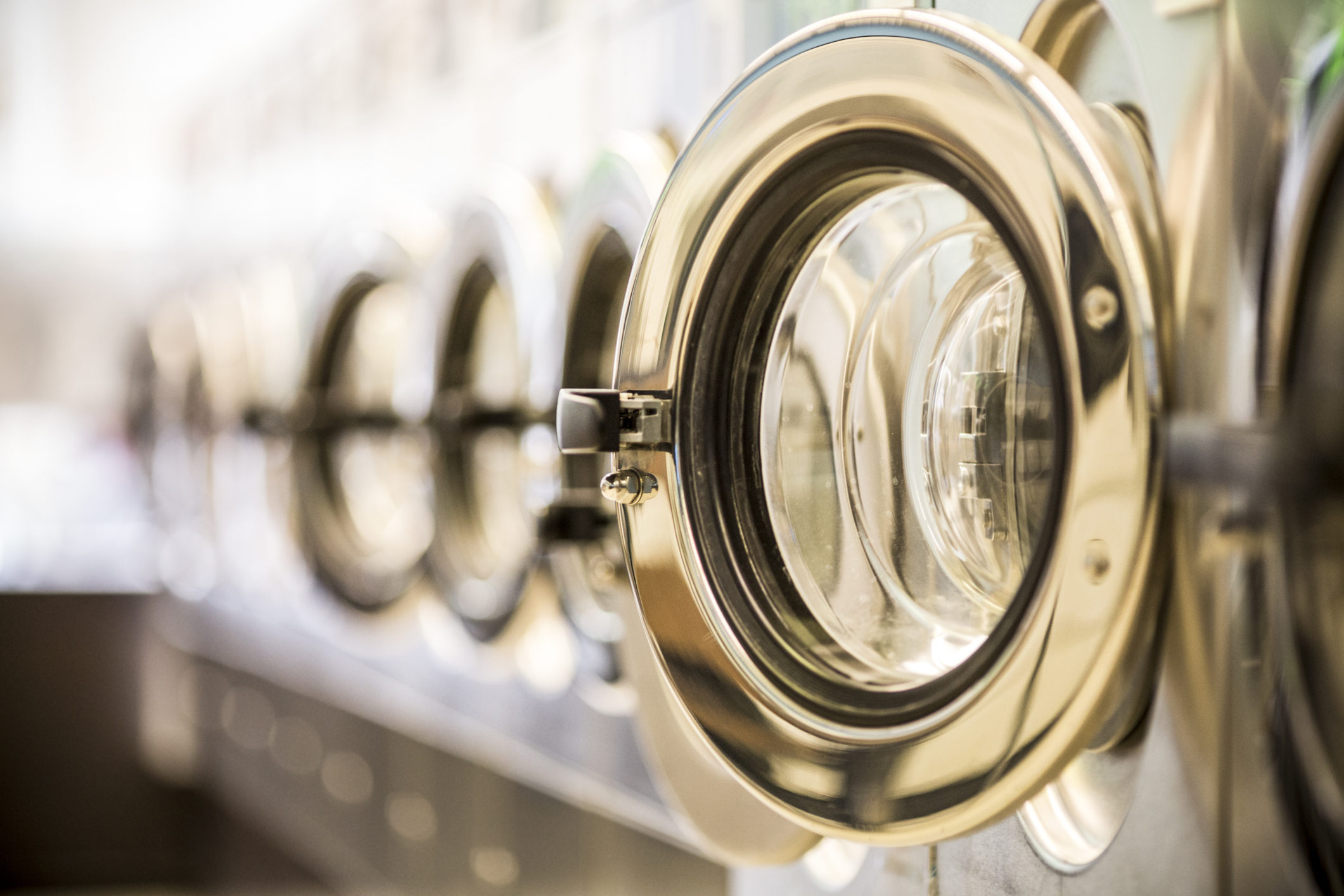
I feel soothed from the moment I walk into one of these womb-like environments. I love the warmth, the smell of detergent and the air of cleanliness. As I load my washing into the huge drums and push my coins into the slot, I enter the quietly industrious project of the launderette, where you can conquer an Everest of laundry in under an hour and wash items like duvets, pillows and blankets that would convulse a domestic appliance into cardiac arrest.
The machine door locks with a click, and I tune into the meditative mantra of the drums’ hum. I could watch them spin round for hours, but launderettes give me an excuse to do other things I love, like reading or catching up with my busy podcast feed. There seems to be an unspoken rule that these are not spaces to bring a laptop and catch up with emails. It would seem most vulgar to make a work phone call in a launderette. Much better to relax and stare into space.
Or I can chat with other visitors, because launderettes are quasi-social spaces. Britain has never been good on communal venues that aren’t pubs. Cafés are full of laptops, ice cream parlours aren’t designed for conversations with strangers. Without launderettes, we’d have to resort to saunas or the small talk of the post office queue or the bus stop. But here, we can chat if we want to. I’ve heard many a life story between rinse and spin. For some visitors, especially older people or those living alone, a trip to the laundrette is a vital source of social interaction.
They’re egalitarian environments, attracting everyone from newly arrived immigrants who may not have access to machines or even hot water, to busy professional couples who are time-poor and prefer to have a service wash than tackle it at home. Tourists and backpackers love them. Some are open 24 hours – a godsend for shift workers.
They’re also melting pots. I once eavesdropped on a conversation in a launderette in Windsor which illustrated this. A lady of operatic poshness was chatting cheerfully to a resolutely un-posh woman.
‘May I ask where you’re from?’ the posh one asked. ‘I mean … I’m presuming you’re from Slough?’
It could have been an awkward or even confrontational moment, but the un-posh woman confirmed happily that she was indeed from Slough – and on they chatted. The steam had ironed out the hierarchy.
When friends invite me to stay with them, they seduce me with tales of their local launderette, and when my partner returned from a trip to India, the first experience he told me about was his visit to the world’s biggest laundry, where thousands of workers wash, bleach, dry, press, bundle, and dispatch garments across Mumbai. “It was very you,” he said – a compliment of the highest order.
Closer to home, many of them have retained their old look, with their marble-effect wall coverings, pastel colours, plastic chairs and simple benches, lending a retro, aesthetic appeal to neighbourhoods that are becoming increasingly unrecognisable with their flat white cafés and identikit Turkish barbers.
Some launderettes have charmingly punny names: Lord of the Rinse, Soapranos, Iron Maiden, All Washed Up. My nearest is called Bubbles, which makes it sound like the friend it has been. But there are now fewer than 3,000 of these friends left in Britain – down from 12,500 in the early 1980s. This is mainly because nearly 97 per cent of households own a washing machine, compared to 65 per cent in the 1980s. Efficiency has migrated inward; community has ebbed away.
That sparsity of launderettes means even a fan like me has had to leave them behind because our nearest one is distant and inaccessible. But when our machine breaks, or when the laundry pile threatens geological proportion, I return.
And there it is: unchanged, unembarrassed, still revolving. It’s just as I remembered it. I arrive with cold, dirty clothes and leave with warm, clean clothes. A simple, enjoyable task with a guarantee of satisfaction. Good Lord, if only all life could be like the launderette.





Comments