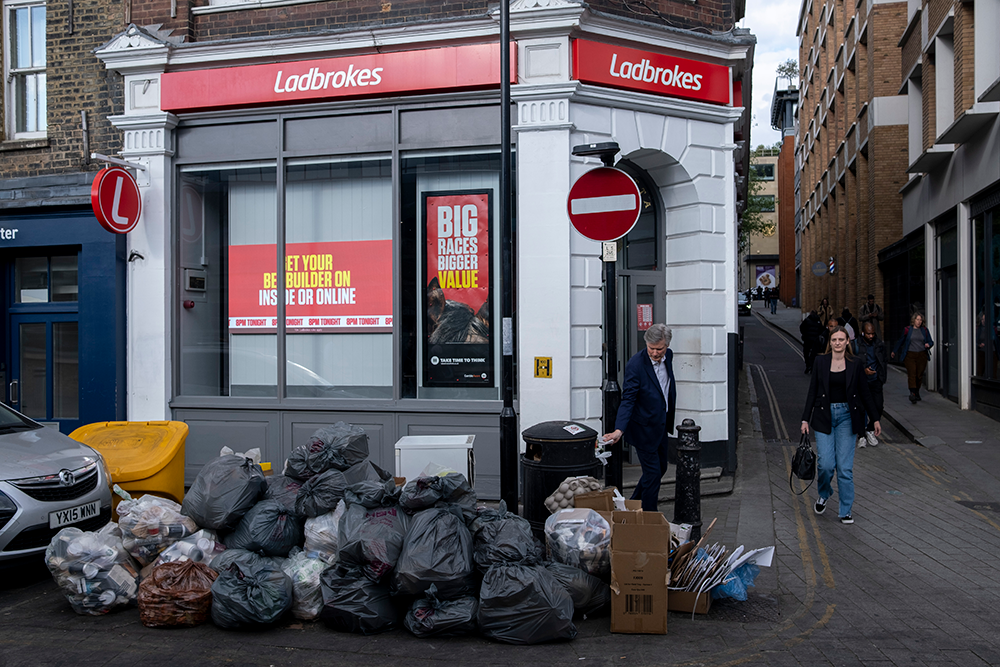
Returning from Pakistan on Monday, I sat at my desk and looked out at the pouring rain while the latest news explained that 30,000 homes in our part of Sussex and neighbouring Kent are ‘still without water’. Then I opened the pile of post. A letter from South East Water, the culprit in the case, enclosed a note which began: ‘From 1 April 2025, the amount you’ll pay for drinking water will go up.’ Since we are now in January 2026, I assume they either misprinted the date, or accidentally stuck in last year’s explanatory letter. Anyway, the increase is real enough – £655.23 was due in July 2025; £875.11 is due from this month. Pakistan is a ‘developing country’ and has many associated problems (we experienced frequent power cuts), but at least it moves forward. The United Kingdom, moving firmly backwards, is an undeveloping country.
Also in the bulging envelope from South East Water was an appeal for customers to give money to WaterAid. It cited ‘Olivia’ in Madagascar who ‘had no water to drink at all’ at school until WaterAid installed waterpoints. Without wishing to make life any harder for the children of Madagascar, I would draw WaterAid’s attention to the plight of pupils in Maidstone, East Grinstead and Tunbridge Wells, currently kept at home in the wettest month of the year because of waterless schools.
I had been in Pakistan in pursuit of what are nowadays euphemised as ‘country sports’, and so was out of town. On the last day, however, I got to Lahore. No space here to debate why this fascinating city has so few western visitors (could be something to do with the unfavourable ‘Foreign Office advice’ which destroys insurance), but only to record the pleasure derived from visiting the Lahore Museum. In Kim, Kipling refers to it by its local name, the Wonder House. He knew it intimately because his father, Lockwood Kipling, was its curator and co-designer of the astonishing new (1890) building, which still stands. In part, perhaps, because of lack of money, a Wonder House it remains – largely unpreachy, representing every imaginable culture which flourished in the subcontinent. Its most famous exhibit is probably the Starving Buddha (not, actually, a Buddha), a Gandharan work in schist from the 2nd or 3rd century, which shows Greco-Roman influence and is simultaneously horrifying and noble. The other exhibit that most struck me was a large object which because of ‘decolonisation’ has ended up (well displayed) in the museum – the statue of Queen Victoria. She used to stand at what was Charing Cross, now Faisal Chowk, in Lahore, but was demoted after independence. In the museum she now sits, bronze, impassive, the orbed, sceptred Empress of India, decidedly unstarving. What a wonder she is too, and what a mystery to most in that subcontinent which she never visited.
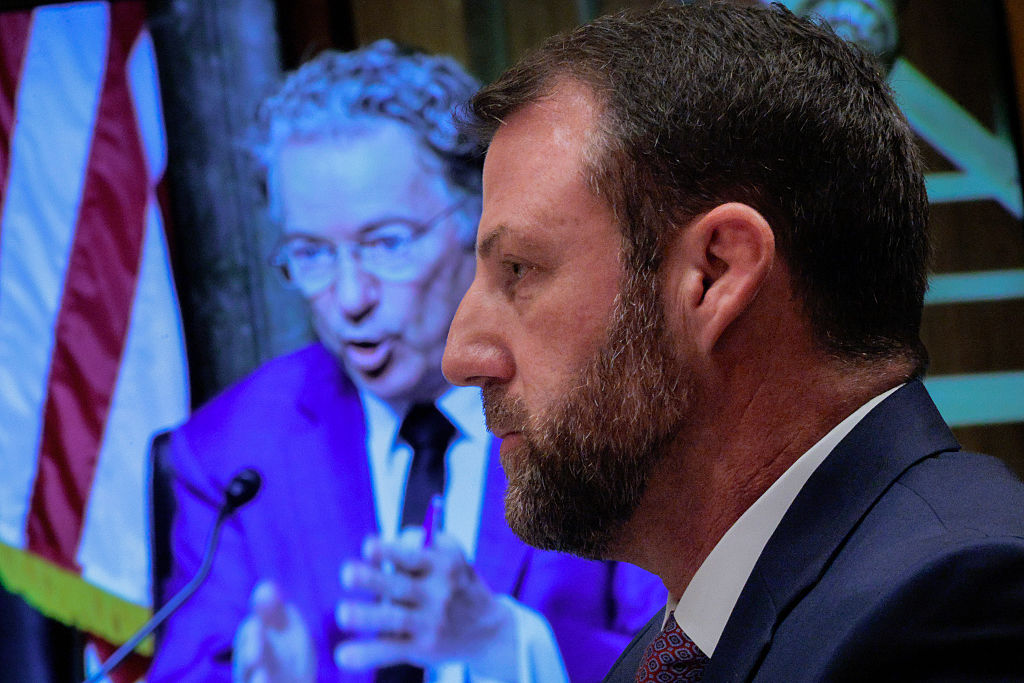
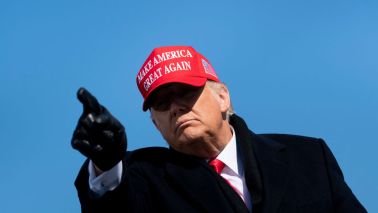
Politicians and central bankers often fall out, but Donald Trump’s battle with Jerome Powell, chairman of the Fed, is unusual. Powell is a Republican and was a Trump nomination, so the President is not trying to oust an inherited Democrat. When he got fed up with Powell’s polite but firm refusal to accept the presidential line on interest rates, Trump asserted that he had the power to remove the chairman, but in fact he does not, ‘without cause’. So a cause was concocted – a Department of Justice criminal investigation into Powell’s alleged perjury (in less than one minute of evidence) to Congress about the costs of rebuilding the Fed’s offices. Hardly anyone believes these allegations, and Powell has the confidence of his board and the Senate Banking Committee. These factors emboldened him to put out a video on Sunday revealing Trump’s move and asserting that it was, in effect, punishment for the Fed’s best assessments about interest rates. Trump’s Third Worldish manoeuvre is weirdly pointless since Powell’s term runs out this May. It is another example of how he mimics the left. Like the left, Trump loves ‘lawfare’, used for political purposes. As with the left, it is intimidating to opponents, yet self-harming.
It is a coincidence that Nadim Zahawi’s defection from the Conservatives to Reform occurred at the same time as his newly adopted party showed a 2 per cent drop in the polls. But his change of allegiance does illustrate a problem. Mr Zahawi’s support is a quicksilver thing. Made Chancellor of the Exchequer by Boris Johnson, fewer than 48 hours later he called on Boris to resign, then standing for the leadership himself. His bid failed, but he was made a cabinet minister by Liz Truss, who won. After she was forced out, Mr Zahawi supported the return of Boris, which never happened. Rishi Sunak, the new prime minister, made him party chairman, but Mr Zahawi had to resign after three months over an earlier failure to tell anyone that he was under HMRC investigation. When the Barclay family sought clever ways of selling the Telegraph group to relieve their debts, up popped the charming Mr Zahawi, seemingly acting for them, and later seeming to be acting with potential buyers. I confess I could not follow the complication and variety of his activities. I wonder why Nigel Farage wants someone who has so clearly run out of road with the Conservatives. One of the attractions of Nadim Zahawi, to which he himself likes to refer, is his web of connections with rich people in the Middle East. Is his presence in Reform to do with politics, or with money?
The pupils of Hinchingbrooke School, alma mater of Samuel Pepys, have stripped his name from a school house because of ‘revelations’ that the diarist behaved badly towards women. The full facts have been known since at least 1983, when publication of Latham and Matthews’s edition was completed, but I suppose it is something that modern pupils have, only about 40 years late, read at least the naughty bits of their greatest old boy’s work.

Comments