Last week I dreamt I was a cowboy. My name was Billy ‘Toothpick’ Pickett, and I was the fastest pistolero east of Whiskey Row. I dreamt of robbing stagecoaches. I dreamt of playing three-card monte with Toothless Dan down by Granite Creek. I dreamt of owning a Smith & Wesson and shooting buffalo. I dreamt of riding a buckskin stallion named Tex. I dreamt of vintage Americana. And then I woke up.

This was the third cowboy dream in a fortnight. Once again, I had fallen asleep watching videos of cowboys on Instagram and paid the price. For months, my algorithm has been inundated with visions of a neo-Wild West. Videos of Monument Valley and the sandstone rocks of Utah. Young men with mullets camping in the Sierra Nevada. An influencer by the name of Cowboy Chuck saying things like, ‘You can tell a lot about a man by the way he makes his chilli.’
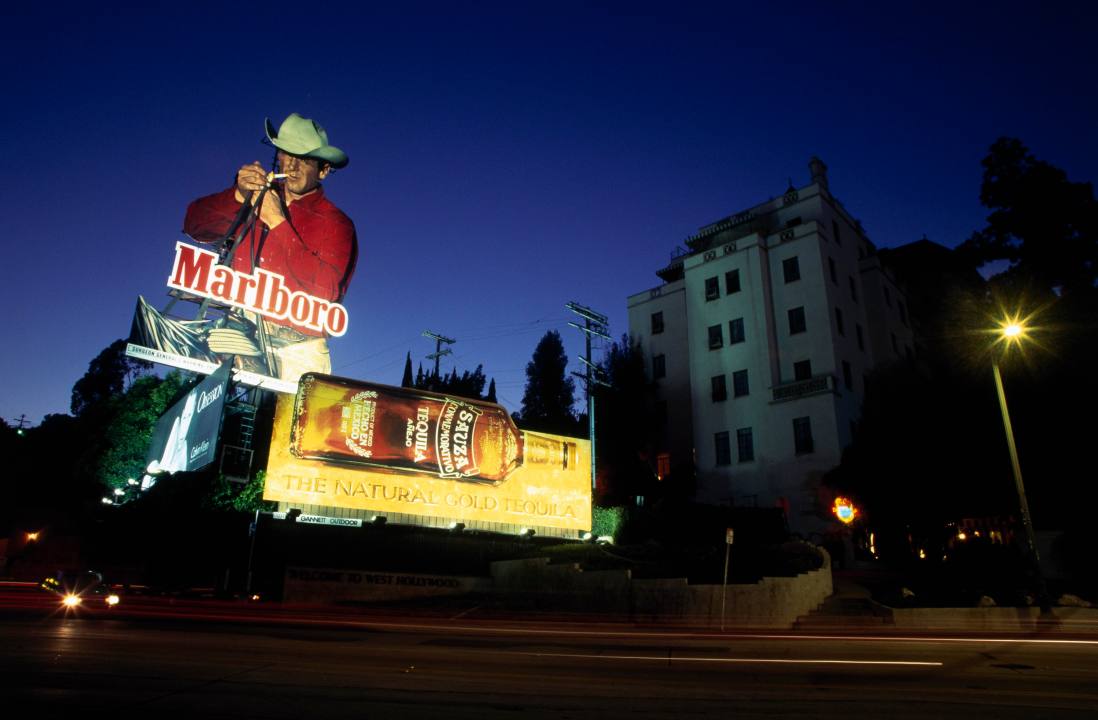
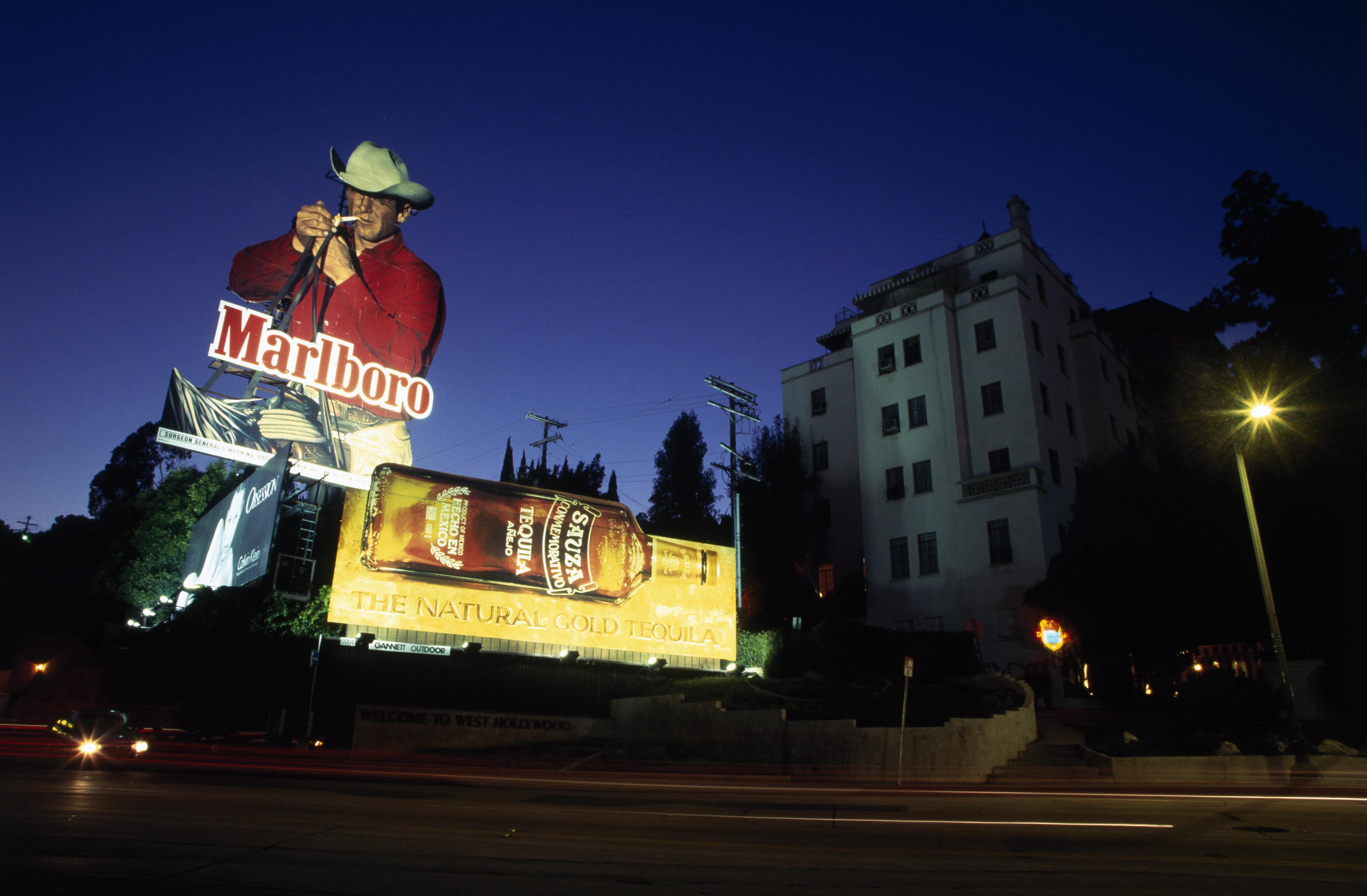
Big belt buckles. Stetson hats. Vintage Marlboro Red adverts. Sam Elliott moustaches. Route 66. An AI-generated image of a lonesome cowboy beneath the silhouette of a snowy mountain range. Couples dancing the Cowboy Cha-Cha. Landscape montages set to the music of Johnny Cash, Glen Campbell and Townes Van Zandt. A smorgasbord of images from an America I will never know. An America I can only experience through a 6.1-inch Super Retina screen.
All of this content is part of a much wider trend known as ‘cowboy core’: a subgenre of Americana that has taken this side of the Atlantic by the horns and bulldogged us into submission. But what’s behind this rise in cowboy fever? And why now?
Taylor Sheridan is the obvious culprit. Sheridan, who looks as if Chuck Norris and a bottle of bourbon had a baby, is the creator of the highly bingeable TV series Yellowstone (as well as Landman, 1883 and 1923). A significant number of critics expected Yellowstone to fail in the UK. They were wrong. After its release last year, the neo-Western drama – which follows the power struggles of the Dutton family in modern-day Montana – spent three weeks in Netflix’s Top 10. If you’ve seen Yellowstone, this should come as no surprise: Sheridan’s shows are addictive for two reasons. The first is that their format is easy to follow: Characters talk in gruff Western accents for an hour before one of them is brutally murdered, usually without much warning.
The second is their aesthetic. It’s pure cowboy propaganda; it’s Dallas without the 1980s kitsch. Whether it’s Kevin Costner or Billy Bob Thornton, Kelly Reilly or Demi Moore, you can bet your bottom dollar that Sheridan’s characters will be strutting about in their finest Western attire: cattleman hats, Carhartt jackets, faded denim trousers and the pointiest of cowboy boots.
But Yellowstone would be nothing were it not for its location. You could replace Kevin Costner with Steven Seagal, and I’d still watch the show for that rugged Montana skyline. It’s also a welcome reminder that America is more than its bicoastal powerhouses: New York and Los Angeles. And it would seem holidaymakers have taken note. A cursory search for ‘cowboy trips’ on Google reveals dozens of bespoke travel packages claiming to show you an ‘authentic’ America. Perhaps someone should tell the copywriters that ‘authentic’ and ‘all-inclusive’ are oxymorons.
Whilst Yellowstone has had a significant impact this side of the pond, the rise of cowboy core extends well beyond Sheridan’s show. Country music is the fastest-growing genre in the UK, racking up over three billion streams in 2024. And it’s the youth leading the charge: nearly half of all UK country music listeners are under 30. From Beyoncé’s Cowboy Carter to Post Malone’s F-1 Trillion, country music has shed its fusty reputation and found a new home in Gen Z, irrespective of Yellowstone’s success.
Country to Country (C2C), Europe’s largest country music festival, welcomed over 100,000 visitors across the UK last month. That’s a lot of pink cowboy boots and bedazzled denim jorts on the Jubilee line. C2C is just one example of Nashville’s growing transatlantic presence. The Grand Ole Opry made its international debut at the Royal Albert Hall in September last year. Emmylou Harris, Zach Bryan, Keith Urban, James Taylor, Luke Combs, Shania Twain, Bailey Zimmerman and Carly Pearce all have dates in the UK this summer. The Long Road Festival in Leicestershire – founded in 2018 to celebrate country, roots and Americana – will also host some of the genre’s biggest names in August. And if you can’t get a ticket, there is a surplus of affordable Americana tribute bands and British country singers chicken-pickin’ their way from Dagenham to Dundee in the hopes of making it big.
It’s important that we don’t mistake Britain’s obsession with cowboys for an obsession with America
‘Cowboy core’ is a pervasive form of Americana, particularly in London. Country-themed nights are everywhere, just pick your honky-tonk poison. Is it slamming shots of bourbon at The Duke of Highgate? Is it line dancing to ‘Thank God I’m a Country Boy’ at Lil’ Nashville in Chiswick? Is it getting rat-arsed in a Stetson at Moonshine Saloon before throwing up outside Aldgate station? Is it visiting Texas Joe’s in London Bridge to experience a level of Americana chintz not seen since Dolly Parton played Glastonbury in 2014? All of the above? None of the above? Suit yourself.
It’s important that we don’t mistake Britain’s obsession with cowboys for an obsession with America. America has very little to do with it – at least the America we know today. Cowboy core is about wanting what you don’t have. It’s about eating a Rustlers burger in your studio flat in Acton and thinking that a life on the ranch (or anywhere) would be more fulfilling. It’s about commuting on the Victoria line for a £26,436 competitive salary and listening to ‘Waiting Around to Die’ by Townes Van Zandt. It’s about railing against your current situation. It’s about wanting more from life than a cloned newbuild in Peterborough, a fridge magnet that reads ‘Live, Laugh, Love’ and Saturday nights spent watching Michael McIntyre’s The Wheel. Cowboy core is about escapism. It reminds us that there’s a great big world out there, one beyond our extortionate rentals, digital addictions and line managers called ‘Derek’ (who fire you over a Zoom meeting two weeks before Christmas). It’s just a shame that most of us will never get to see it.

Comments