

I’ve just come back from a short holiday in Venice. The city is an unsurpassable monument to the glories of the Renaissance, but its streets and waterways also bear witness to the absolute non-existence of ‘international rules’.
When confronted by Bonaparte’s expansionist aims in 1797, the millennium-old Venetian republic responded as it had always done, relying on diplomatic assumptions maintained for centuries. Meanwhile Napoleon, promising to be ‘an Attila to the state of Venice’, simply invaded, bringing the Serene Republic to an ignominious end. Venetian art and treasures were plundered to fund the French war effort. In a particular humiliation for the city-state, Bonaparte began filling in the canals to resemble Parisian boulevards. Only the distraction of a continental war prevented him from concreting over the entire medieval waterway system.
A whole book could be devoted to the lessons the fall of Venice has for modern Britain – a complacent state, run by an out-of-touch elite, reliant on past glories, increasingly shabby and sclerotic internally. However, specifically, I think it’s worth – in the week Donald Trump has promulgated the arrival of the ‘Donroe Doctrine’ – focusing on the lessons this has for a country clinging to an out-of-date approach to foreign policy.
Britain’s destiny as a 21st-century Venice isn’t set in stone
In this terrifying new world, Britain is stuck playing by a defunct rulebook and, due to a psychosis about empire amongst its governing class, willing itself into acts of monumental self-harm at just the time its presence is most needed. Much of this is justified by the establishment by an appeal to the idea that ‘Britain invented the rules-based order’ and therefore should adhere to it most strictly. The problem is we’re the last people bothering to do so.
A rules-based order may be all well and good when the people guaranteeing it are Britain and France, but less so when it’s a free for all, or else reliant on erratic, self-interested America. The system that Britain invented when it had a big stick is being used to attack it now that all it has are a couple of mangey bits of carrot. Soft power is emphatically no substitute for hard power, as the Venetians learnt the hard way. A comparison with another collapsed empire comes to mind. It is like standing amid the ruins of Rome and saying ‘well, at least they built the roads’ without pausing to think about what enabled the Barbarians to get to the gates in the first place.
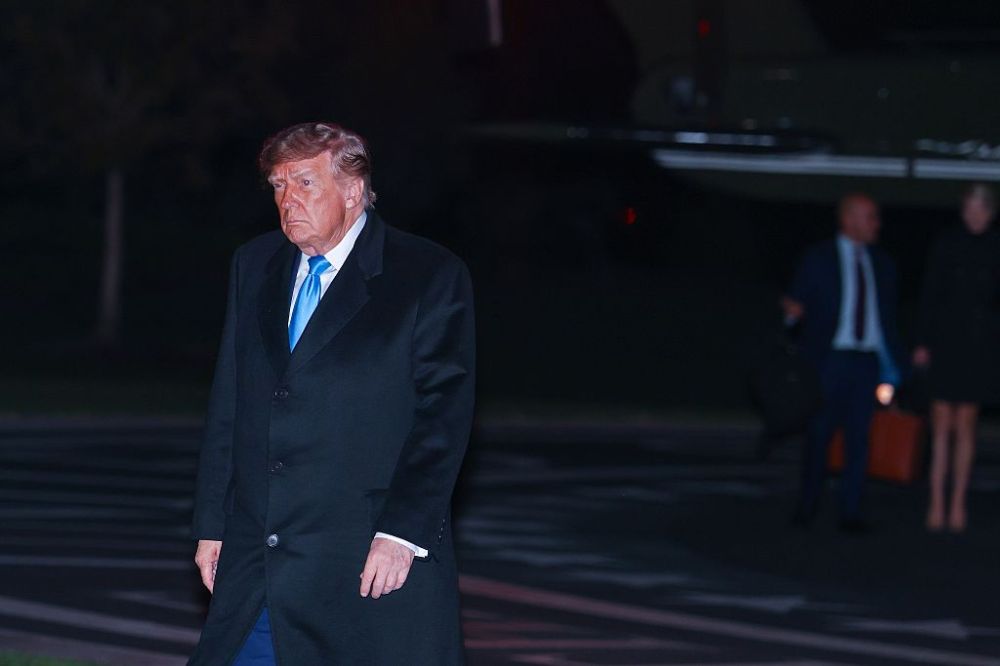
Nothing embodies this more frustratingly, more eye-gougingly irritatingly, than the Chagos ‘deal’, which will again be debated in the House of Lords this evening. Tonight’s votes may prove the last chance to delay the treaty, especially amendments calling for the Chagossians to have a referendum on whether they wish to stay British, which have the best chance of passing.
One reason why many observers find the ‘deal’ so alarming is that it is genuinely inexplicable, even according to the government’s stated justifications – which suggests there may be a more malign explanation. The idea that this lawyerist administration is guided by some great respect for ‘the rules’ (™) is a joke, while they internally subvert the British constitution, using it to push through harmful international policies, maintain secrecy about important aspects of the ‘deal’, including its full costs, attempt to bribe the Lib Dems with peerages, cancel elections and so on.
The timing is supremely dodgy too. Next week, the High Court will deliberate on whether the government must consult the Chagossian people before making irreversible decisions. Surely a government committed to the ‘rule of law’ would suspend judgement until hearing from domestic judges? Apparently not.
And speaking of ‘international law’, last month, a UN committee urged Britain and Mauritius not to ratify the deal, warning it risks perpetuating longstanding violations of Chagossians’ rights. Even left-wing ‘decolonialist’ arguments for the policy fail when you consider how the indigenous people have been deprived of any voice in these proceedings, though a group of Chagossians have kept up a melancholy watch from the Lords viewing gallery as their future is decided without them. In short, the ‘deal’ is failing even on its own questionable terms – ‘rule of law’, ‘international law’, ‘progressivism’ etc – but No. 10 ploughs ahead regardless.
At times, the government has resorted to seemingly being dishonest about the British constitution. Last November, Foreign Office minister and Starmer ally Baroness Chapman told the upper house that ‘it’s really important that we don’t allow the Chagossian community to have the impression a consultation or referendum held now would in any way be able to affect a treaty that has already been agreed between two governments.’ What this neglects is that the agreement remains invalid until both houses ratify it. Parliament is still sovereign, regardless of how Starmerite flunkies are willing to debase themselves.
At committee stage, Baroness Chapman also made a telling remark:
The situation is that history has taken us to a position where, much as we do not like it and it goes against some of the things that we feel and what we may even argue is the moral case, the legal situation is, I am afraid, as it is.
Which sounds very much like a flat-out admission that they know that what they are doing is wrong but are so in thrall to their lawyers that they will do it anyway. The ‘deal’ makes Britain look weak, gullible and is already emboldening other countries to pursue opportunistic claims. As night follows day, Argentinian politicians are using the deal to argue that the Falklands should be next. Expect Caribbean nations to renew their calls for reparations, too. Given the state of Downing Street, you can hardly blame them for trying.
Meanwhile an idea is gaining traction on the right of politics, namely that younger people won’t, or shouldn’t, fight for their country. I disagree strongly with this, but it’s easy to see the appeal of such beliefs, when you consider the national interest and recent strategic decisions. If we define damage as the surrendering of sovereign British territory, the neglect of our armed forces, persecution of veterans, the undermining of constitutional norms and the wanton diminishing of influence, these things are overwhelmingly not being done by Russian trolls, but by members of the British cabinet. One Starmer in No. 10 and a Lord Hermer in the Attorney General’s office are worth a million bots in Murmansk.
Robert Conquest famously said that ‘the behaviour of any bureaucratic organisation can best be understood by assuming that it is controlled by a secret cabal of its enemies.’ The revealed preferences of this government time and again are that they despise their own country, and if that isn’t true, I would invite a minister to show me any example to the contrary. Britain’s destiny as a 21st-century Venice isn’t set in stone, but with our current self-loathing leadership, it’s hard to see how it can be avoided.





Comments