Interviewed earlier this month at the Cannes film festival, Hungarian filmmaker László Nemes spoke of the ‘shameless orgy of anti-Semitism overtaking the West.’ The director of Son of Saul was stating something both profound and obvious, and here in the UK we see examples every week – and it sometimes feels like every day.
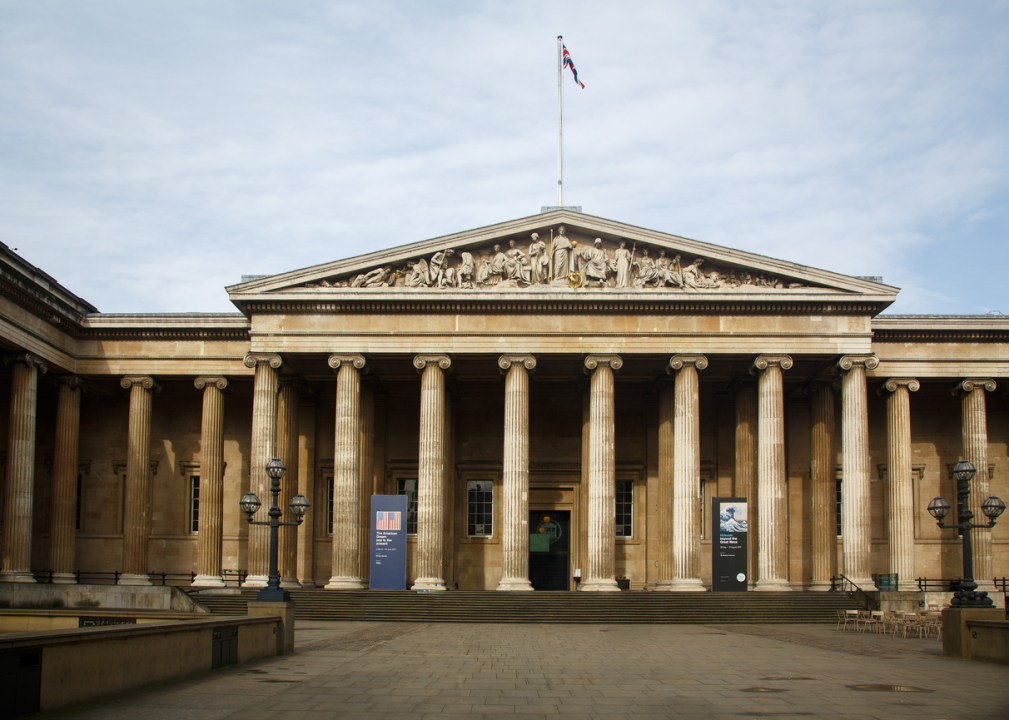
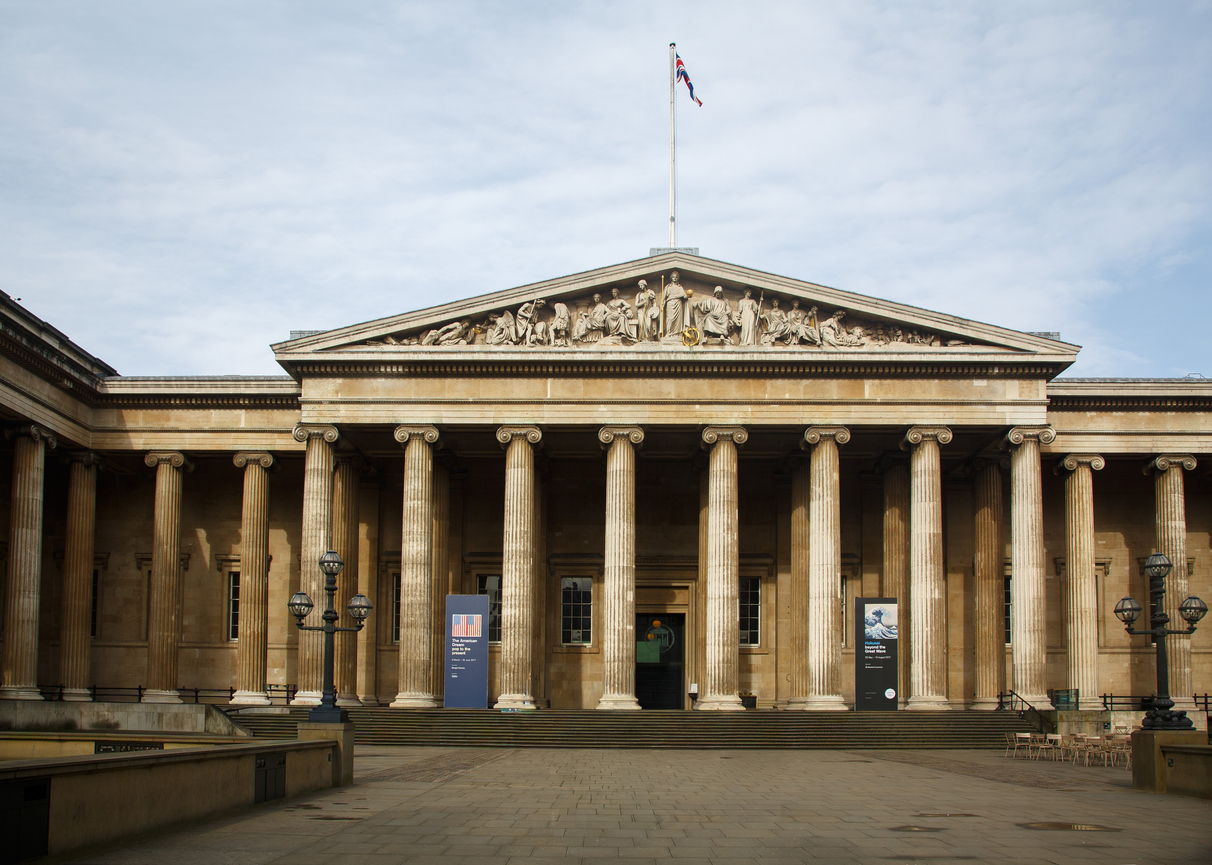
On Tuesday, the British Museum informed ticket holders to a talk scheduled for today as part of Jewish Culture Month that, ‘Due to security concerns, the Ancient Israel and Judah in the British Museum talk… has been postponed.’
While the British Museum may be sincere in its statement, ‘security concerns’ has become the contemporary equivalent of ‘No Jews admitted here’
It was the matter-of-fact blandness of the statement that hit hardest. ‘We apologise for any inconvenience. With best wishes, The British Museum Ticketing team.’
Oh well, just a bit of Jew hunting, sorry if it’s a bother, best wishes and all that.
I’ve little doubt that the museum was doing what it thought best. As it explained in a fuller statement yesterday after the news began to circulate:
‘In recent days, we were informed that a significant proportion of registered attendees were individuals intending to deliberately disrupt the event, preventing others from participating in good faith and undermining the purpose of the programme… we have a responsibility to ensure that events hosted within the Museum can proceed safely, securely and without intimidation for speakers, staff and visitors alike. Following discussions with organisers and security partners, a joint decision was taken to postpone the event to a later date when it can take place in an environment that properly safeguards both the audience experience and the integrity of the programme itself.’
But while the British Museum may be sincere in its statement, ‘security concerns’ has become the contemporary equivalent of ‘No Jews admitted here’ – the phrase that Jews have had to get used to hearing as the supposed reason why an event has been cancelled.
Increasingly, events involving or attracting Jews are being cancelled – and that’s when they have managed to find a venue willing to host them in the first place.
In January 2025, a performance by Jewish-American Chasidic singer Benny Friedman was cancelled by the Clapham Grand, citing ‘security concerns.’ The producer said they had struggled to find any venue willing to even consider hosting him. Last year the Jewish folk/klezmer band Oi Va Voi’s appearance at Strange Brew in Bristol was cancelled after the venue decided that hosting Jewish performers was a security risk.
At last year’s Edinburgh Fringe, Jewish comedians Rachel Creeger and Philip Simon had their bookings cancelled after venue staff expressed their fears about safety when hosting Jewish acts.
A planned exhibition at the Russell-Cotes Museum in Bournemouth about Jewish life in the town, due to run from last September until this March was postponed over ‘security concerns’.
In 2024 a talk by Douglas Murray at the Apollo Theatre in London was cancelled over ‘security concerns’. This is a far from complete list.
Whatever the actual motivations behind such decisions, they all have the same effect – handing anti-Semites a veto over the staging of events with or for Jews.
Let’s accept that the British Museum has acted in good faith, as it says in its statement. So what? The outcome is the same as when the West Midlands police caved in to the Jew hating mob and banned Israeli fans – Jews – from attending Aston Villa’s match against Maccabi last year. Their reasoning might be different, but their decisions have had a similar consequence. The British Museum has allowed Jew hate to determine its programme. By postponing a talk on Ancient Israel and Judah.
Let’s reserve judgement on whether this is actually a postponement or, as I suspect it will end up, a cancellation. One of our leading cultural intuitions has sent out a terrible message. Do you worst, it is saying to the anti-Semites, and we will cave. For shame.




Comments