
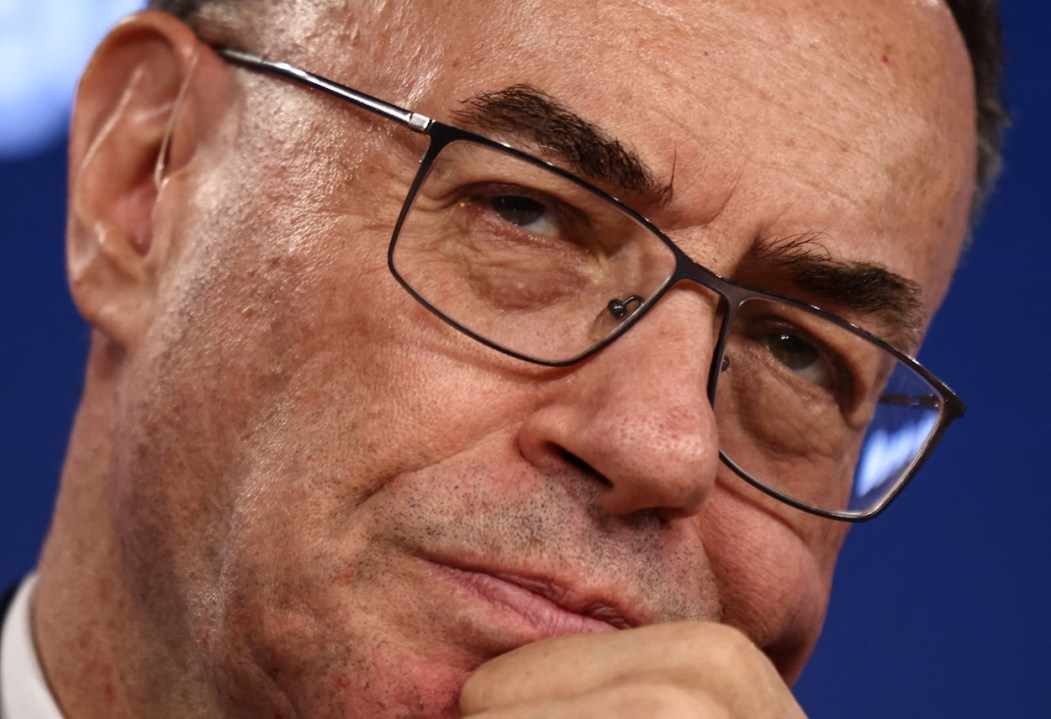
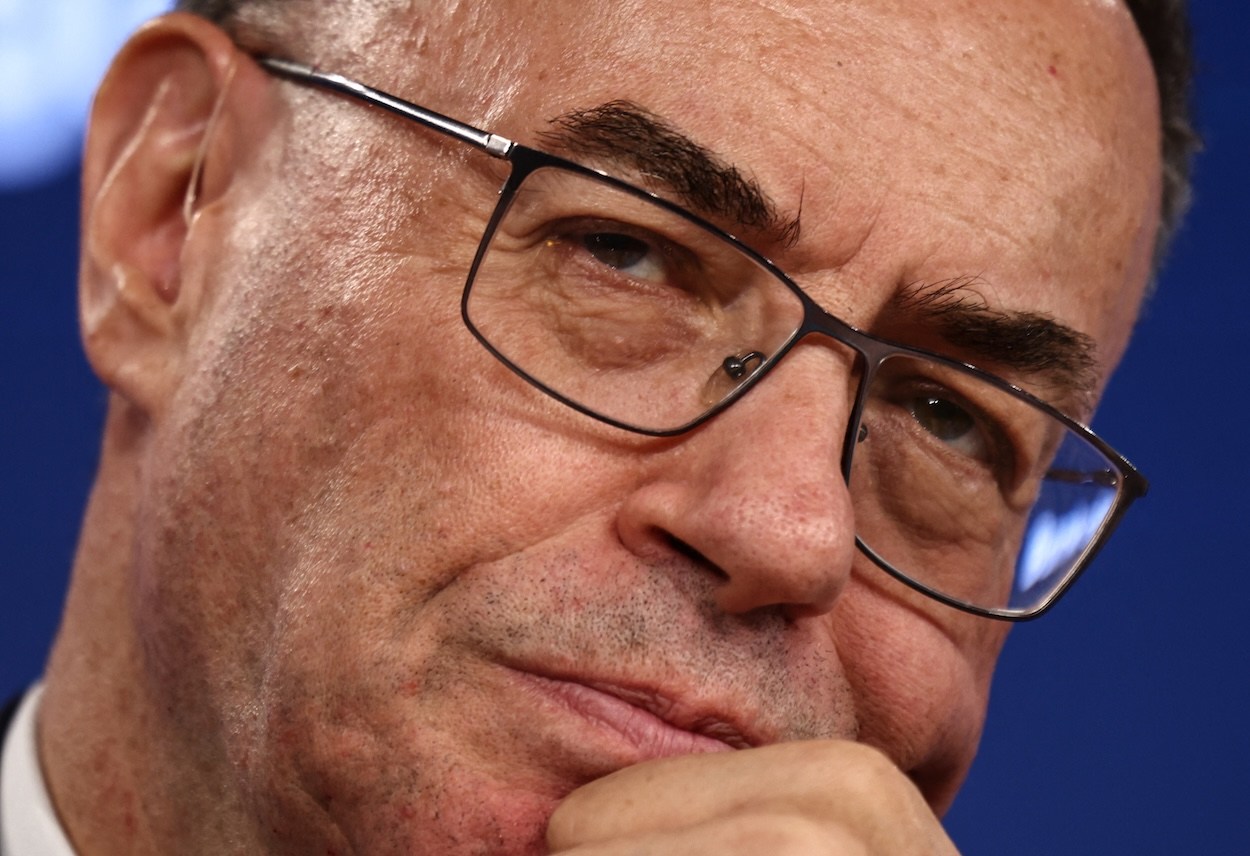
The Bank of England has just voted six-three to hold interest rates at 3.75 per cent, a decision that makes Britain’s central bank an outlier following rate hikes from both the European Central Bank and America’s Federal Reserve. It’s the sixth time in a row the Bank has voted to hold rates.
The decision also comes in spite of yesterday’s news that inflation climbed further away from the Bank’s 2 per cent target, hitting 3.1 per cent in August, and the Monetary Policy Committee’s own forecast that rising energy prices will drive inflation above 4 per cent in the first few months of next year. In a letter to the chancellor, Andrew Bailey, the Bank’s governor, also warned energy bills are likely to rise 24 per cent in the winter.
The news of the hold will be little relief to mortgage holders and, indeed, the government, given that traders are betting on multiple hikes over the next year. Already, average fixed-rate mortgage deals are surging upwards as borrowing costs climb with the price of oil. Five-year fixes, for example, are approaching 5.9 per cent.
All of this comes as we approach a Budget which John Healey and Andy Burnham concede will be challenging. Rising gilt yields and expectations of interest rate rises have eaten an at least £10 billion chunk out of the headroom against the fiscal rules Healey had inherited from Rachel Reeves. Reality Check tracks a daily estimate of this headroom on the data hub.
It’s a fair question to ask why, given everyone knows which direction inflation is going to go, you wouldn’t put rates up now – as European and American central bankers have done. The risk in not doing so, and what drove three MPC members to vote for a hike, is the fear that inflation becomes entrenched and causes so-called ‘second-round effects’, whereby speculation about further inflation leads to increased demands for wage rises from workers and inflationary price-setting from employers in response. The majority of the committee – for now at least – don’t think that is happening.
In a real relief for Healey, though, the Bank has decided to pause actively selling gilts as part of its mission to unwind the hundreds of billions of money printing that was used to prop up the economy – and government spending – much of it during the pandemic. It will then resume those sales at a slower pace. That news has already been greeted with falling yields on the key 10-year gilt that drives much of the Office for Budget Responsibility’s headroom forecast.
It’s pretty clear where we’re going from here, however, and you don’t have to take the word of market bets either. Bailey spelled it out himself: ‘So far higher global energy costs have had a limited effect on price and wage setting in the UK.
‘But the longer this volatility persists, the bigger the impact it will have on inflation, and the more likely it is we will need to raise Bank Rate to ensure that inflation falls back to our 2pc target.’
That’s news we could all do without.






Comments