The title of this book takes the adage about ‘thinking outside the box’ and inverts it. Instead of thinking outside the box, we should think inside the box, David Epstein argues. Which box? How big is this box? Whose box? He discusses these questions as well.
The phrase ‘thinking outside the box’ emerges from the nine dots puzzle devised by psychologists before the first world war. There are nine dots on a page, evenly spaced, three on each line. You must connect all nine using four lines without removing your pen from the paper. A common response is to imagine that the dots form a box and to confine your work accordingly. This makes the puzzle impossible to solve; you have to think outside the box. Or not think of a box in the first place. These days, ‘thinking outside the box’ has become a cliché, a restricting form in itself. So, Epstein argues, we must now think inside the box instead and embrace constraints.
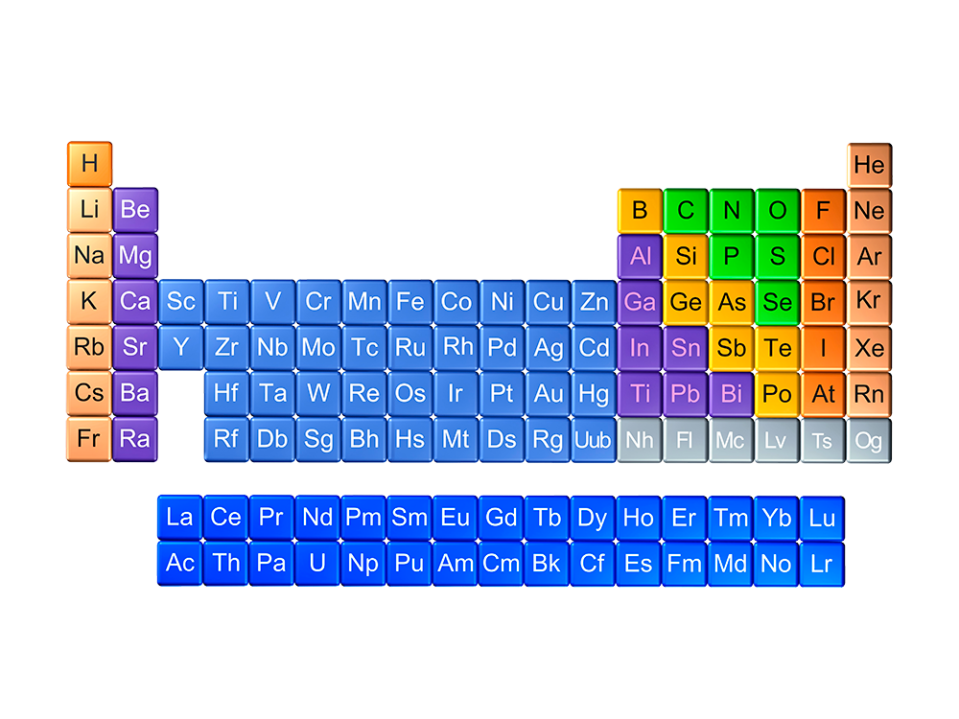
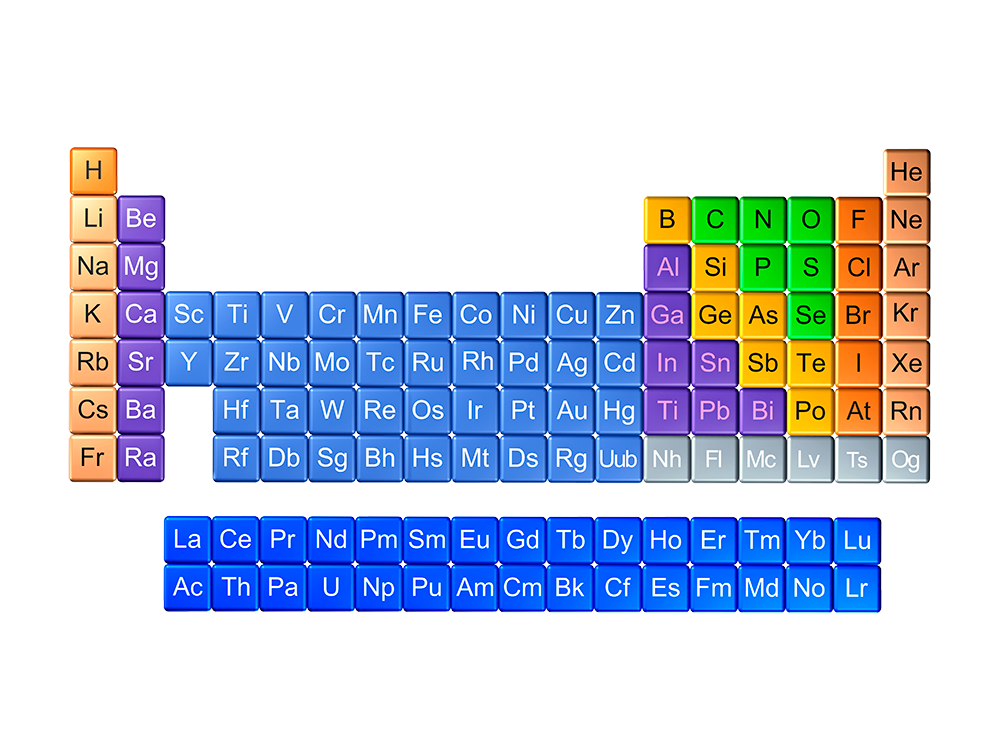
A key figure in his argument is the Russian chemist Dmitri Mendeleev. In 1869, the story goes, Mendeleev had worn himself out trying to make a breakthrough. He was so tired that he fell asleep and dreamed up the periodic table. This is often presented as a classic example of thinking – or dreaming – outside the box. Epstein disagrees: the story is ‘quite simply false’. Instead, Mendeleev was ‘boxed in by a book contract’, wide awake, struggling to meet a publisher’s deadline. The ‘strict requirements of a textbook provided the guide rails he needed’. He ‘didn’t need to think outside the box so much as he needed the right box in which to work’.

The idea that creativity requires total freedom is wrong, says Epstein. Instead, ‘when anything is possible, it becomes nearly impossible to do anything new. Complete freedom, paradoxically, leads to conformity.’ He acknowledges that some constraints are invidious: too little time, too little money, too little autonomy. However, helpful constraints are ‘tools for creativity, collaboration and contentment’, whether they are ‘purposeful and self-imposed or simply inevitable’.
Examples abound. J.S. Bach gravitates ‘relentlessly’ towards an ‘exceptionally rule-bound musical form known as fugue’, which ‘puts the composer in a box from the start’. Igor Stravinsky believes that ‘the more constraints one imposes, the more one frees oneself’. In Ulysses, James Joyce ‘spreads staggering innovations of language and perspective atop an ancient structure’, Homer’s Odyssey. Virginia Woolf rejects ‘tidy’ narratives in favour of stream of consciousness experiments. She doesn’t think outside the box; rather, she ‘makes a new box’, adopts new protocols, new constraints. Epstein defines this, jovially, as ‘Woolfian rope’.
A major challenge for writers is ‘figuring out how to contain a project so that it doesn’t sprawl endlessly’. With his own book, Epstein started by ‘designing the box’: a fugue structure which returns repeatedly to Mendeleev, developing this theme.
His other structuring device is paradoxical antithesis, a self-imposed constraint which will be familiar to readers of his previous books including Range: How Generalists Triumph in a Specialized World (2019). This book, a Gladwellian bestseller, inverts the idea that specialisation is required for brilliance and makes a counter argument for generalisation. Likewise, Inside the Box is a bright, boisterous, entertaining polemic, teeming with provocations. Inevitably, the reader ends up disagreeing a lot, trying to think outside the box of thinking inside the box. This is undoubtedly part of the game.
For example: does anyone really think that absolute freedom is required for creativity? What about the classical tradition of imitatio? Even the ostensibly freedom-loving Romantics regularly contend with stanzas, the limits of language, bad weather. What about those books left unwritten because people were so trapped in a box they couldn’t do anything at all? No dreams, no textbooks. Some constraints are good, some are bad: censorship, poverty, imprisonment, death. We can only imagine what, say, the Russian avant-gardist Daniil Kharms might have created had he not been dealing with Stalinist oppression. Also, there’s no control on these experiments. An indie film gets made with scant resources, then wins an Oscar. Should films be underfunded henceforth?

Epstein debates some of these caveats and omits others. Fair enough: it’s his book, his box. As he also points out, when Mendeleev devised the periodic table, he left gaps for undiscovered elements. A box may need some holes punctured in the lid. At least this is a good idea if it contains a cat, but not if it contains a strawberry cheesecake. There are boxes upon boxes and vast gaps define all arguments about reality, consciousness, creativity and the human mind.
Lastly, there is some debate among physicists concerning whether the universe is a box, or not – whether it is finite or infinite. If the universe isn’t a box, perhaps we can never think inside the box. Or not in any ultimate sense. What then?





Comments