

Cape Town
As a young FT stringer in Dar es Salaam in the 1980s, I used to hang out with South African guerrillas from rival factions who, instead of waging war against apartheid, spent their energies fighting each other over stolen cars and quaalude-smuggling, or party-ing hard. In our late-night drinking sessions, these Marxist cadres happily taught me, a white son of colonialism, a chant that went: ‘One Settler! One Bullet! SETTLER, SETTLER! BULLET, BULLET!’
It was so hot on those evenings in Dar that we used to take turns climbing into our flat’s chest freezer to cool off for a few minutes. It was quite a thing to see a Zulu bursting out of it like a jack-in-the-box, singing revolutionary anthems.
It was so hot on those evenings that we used to take turns climbing into our flat’s chest freezer to cool off
Growing up in black Africa, I got used to being tailed like the Pied Piper of Hamelin in remote villages by crowds of children shouting: Mzungu! or Khawaja! or Ferenge! or Toubab! These are the names for white people in sub-Sahara, where I’ve always been in a very narrow minority. One often found oneself in a place where people had never ever seen a white person, and I rather enjoyed this. Being odd never bothered me in the slightest way.
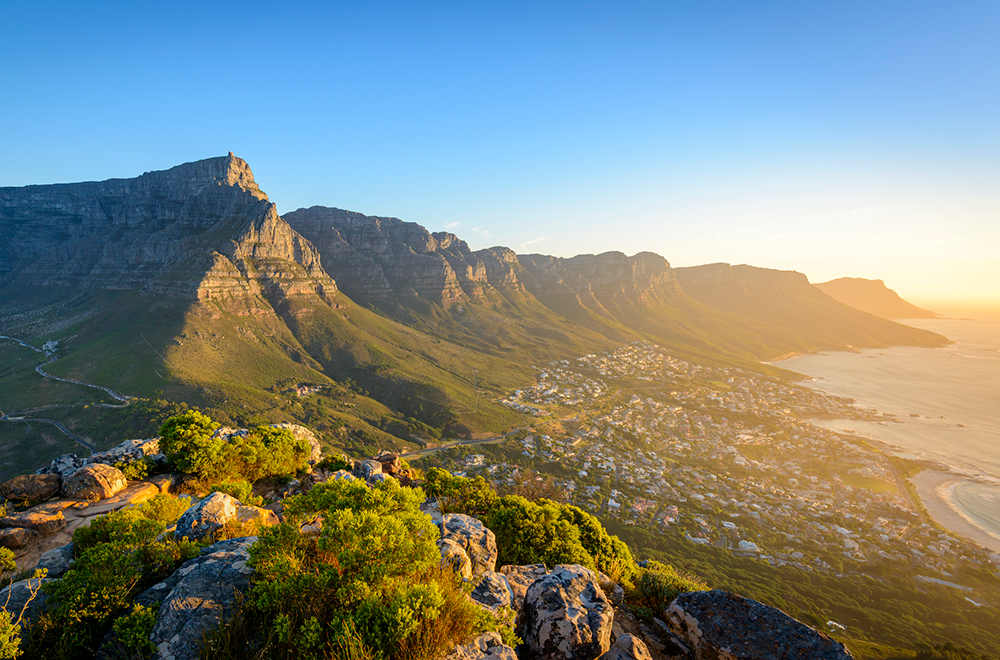
Cut to 2026, and this week I visited the Western Cape, the only bit of South Africa that is quite well run by the largely white Democratic Alliance, while the rest of this fine republic went to hell long ago under the rule of my old drinking buddies from the ANC. On our first evening in Cape Town, I took my girlfriend Shamini, a British barrister who is Tamil by origin, to dinner with my friend Hannes Wessels and his lovely sister Helga. They made us feel at home. As darkness fell over Constantia, Hannes, a veteran of the Rhodesian Light Infantry and a hunter of many years, told a story about a crocodile that tried to eat him. His family has been in Africa for 14 generations and they know it better than anybody. Hannes has just written a fantastic book about bush adventures called Wild Men in Wild Places.
The next day, we went to stay with my old friend Julian. We were born in the same hospital in Nairobi, and as cub foreign correspondents we shared a house in Kenya. Once again, Shamini and I were treated as family and it was so interesting talking about the ways in which South Africa has changed over the years. One area, of course, is that people of different races have long been able to enjoy each other’s company. It has been three decades since the official end of apartheid, and 42 years since sexual relations between races were legalised. The era of beaches with signs saying NIE BLANKE is long gone. But, in the days that followed in Cape Town, Shamini and I began to get the sense that being a couple crossing the old colour bar still feels quite rebellious. At a splendid seafront fish restaurant in Kalk Bay, the other diners looked at us like Jan van Riebeeck might have done when he first saw penguins in 1652.
I suspect they were not looking at us in a prejudiced way at all. They just looked rather surprised. As a white boy born in Africa, I find the Western Cape an extraordinary place because I often find myself surrounded by more white people here than you see in places like London or Paris.
Shamini grew up in Hong Kong and England and she’s actually more English than I’ve ever been, but now we are hoping to build a life together in this wonderful continent of Africa.


Comments