I once made a BBC radio feature calling for cricket to be banned. It was in response to the death of a boxer, who had sustained fatal injuries during a fight. There were the usual calls for the sport to be outlawed, so I pointed out that, as cricket killed more people than boxing, surely it too should be forbidden. Auberon Waugh played along, saying how beastly he’d found cricket at school, what with the viciously hard ball coming towards you at high speed and you being expected to catch it. Danny Baker cited the same reasons for his dislike of the sport.

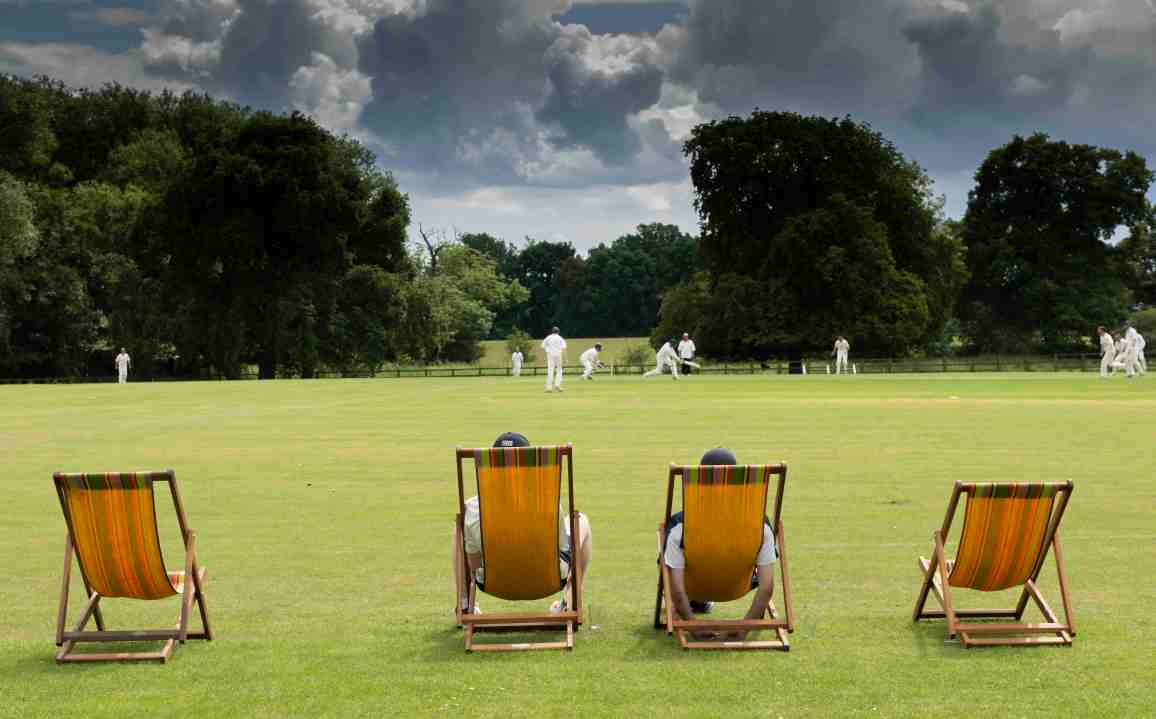
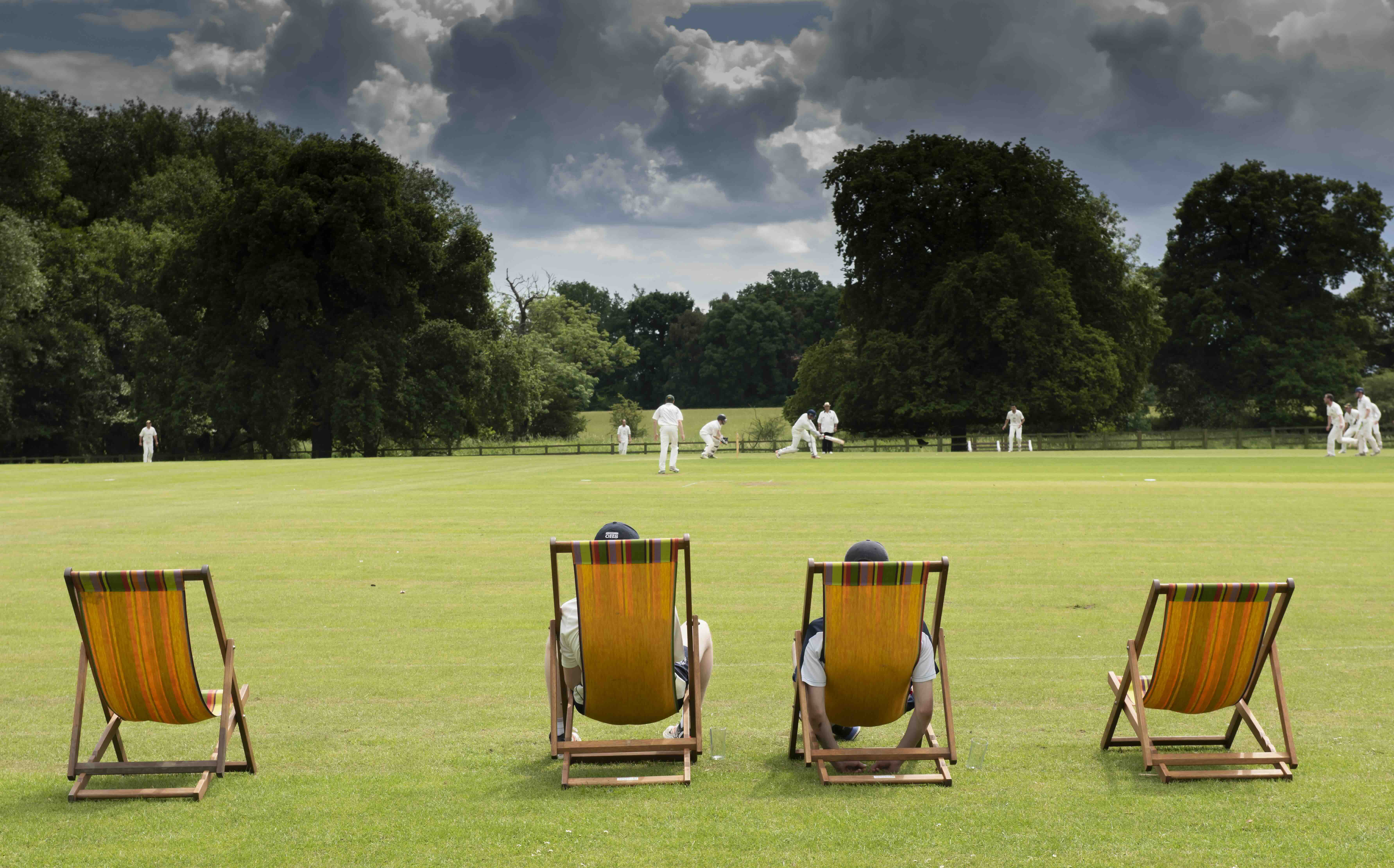
Cricket became political last week, when Reform announced that they would save village cricket from the health and safety regulations that have challenged it in recent years. In the Essex village of Danbury last summer, three teams were ordered by the local council to stop playing on a field that has hosted matches for over 200 years. The ban followed an incident in which a passer-by was hit on the ankle by a ball while unloading his car. None of the players were aware of anyone else being hit in living memory.
Quite how widespread a problem this is for cricket clubs can be debated, and of course Reform is in the business of hyperbole. But the underlying issue reveals a lot about the modern attitude to risk. Cricket, that perfect symbol of traditional England, is up against the people you encounter in every organisation and walk of life these days: the people whose mission is to stop things happening. They have no desire to create or innovate or explore or seek thrills. Their only mission is to minimise harm, however that’s defined and whatever the cost. They feel big and clever about themselves because they’ve been on courses about filling out risk assessment forms. Sorry, Risk Assessment Forms.
The thing is, Auberon Waugh and Danny Baker are right – cricket balls are bloody hard. One of my earliest memories of the game is the excitement I felt at a player from the county I supported (Warwickshire) being selected for England. In 1984 Andy Lloyd opened the batting against the West Indies at his home ground of Edgbaston. After 33 minutes he was hit on the head by a ball from fast bowler (very fast bowler) Malcolm Marshall. He was taken to hospital and never played for England again. This makes Lloyd the only Test opener never to have been dismissed.
The West Indies had form in those days. Their 1970s and 1980s bowling attacks concentrated heavily on the second word. Obviously they didn’t want to cause serious injury – as Andy Roberts once put it: ‘I never tried to hurt anyone. It was just that a lot of people got hurt.’ One of the reasons aggressive fast bowling works is that it makes the batsman worry that he might get hurt. The unsettling effect makes it harder to concentrate on your actual stroke-play. And of course, if you’re a lower-order batsman you don’t want to be out there in the first place. When England spinner Pat Pocock was due to face the Windies quicks, someone found him brushing his teeth. Asked why, he replied: ‘In case someone needs to give me the kiss of life.’
Auberon Waugh and Danny Baker are right – cricket balls are bloody hard
It wasn’t just the West Indies. The Australian duo of Dennis Lillee and Jeff Thomson instilled similar fear. Lillee once had a batsman given out LBW. The player just stood there. ‘Oi,’ shouted Lillee, ‘you’re out – now bugger off.’ ‘I’d love to,’ came the reply, ‘but I think you’ve broken my leg.’ As indeed Lillee had. And it isn’t just players – spectators can get hurt too. A man watching (or rather not watching) a match at my local town’s ground in Suffolk a few years ago was hit by the ball and ended up losing an eye. It isn’t even confined to humans – cars are also in the firing line. In 2021, playing for Illingworth St Mary’s in a match in Yorkshire, Asif Ali hit a six that smashed the rear windscreen of a car parked near the boundary. Unfortunately for Ali, the car in question was his own.
All of these disasters could have been avoided if the games of cricket in question hadn’t been played. Similarly the serious back problems suffered by regular golfers (the game puts a compression on the spine equivalent to eight times your own body weight) could be avoided if golf was banned. Mountaineering and skiing kill people every year. As does fishing: in the period 2018 to 2022, 41 UK anglers drowned.
But just as those negative consequences would have been eliminated, so too would the positive ones. The enjoyment, socialising and exercise afforded to village cricketers and their spectators would have been wiped from the slate. Their lives would have been that little bit safer, and a whole lot more miserable. Most people who have played the game at this level will have tales of bruised ribcages, pulled muscles and perhaps the odd broken finger. But they’ll also have memories of thrilling matches, sweetly hit boundaries and stunning pork pies.
As a lesson in the trade-offs that give life its meaning, cricket takes some catching.





Comments