
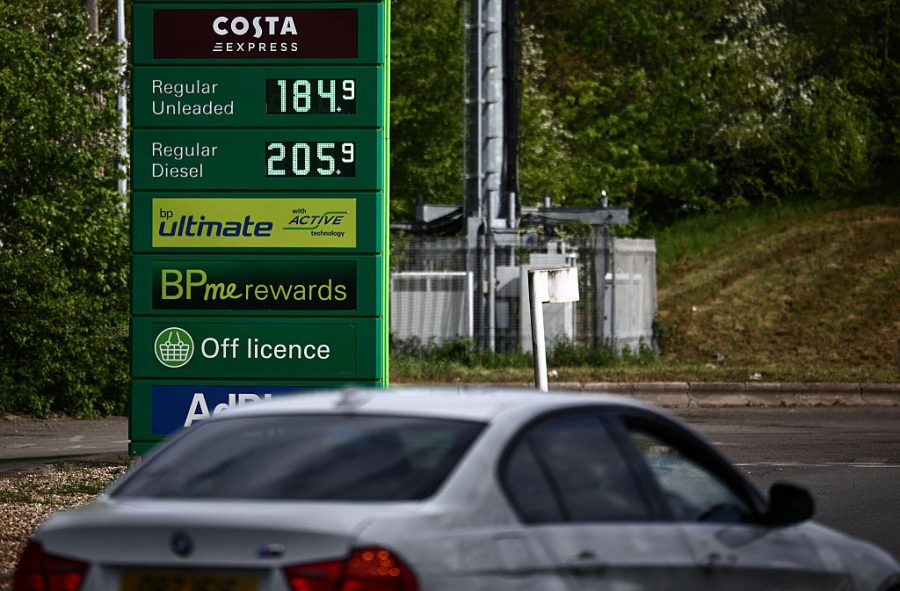
Oil prices rose this morning thanks to the fact no one really knows if the Strait of Hormuz has reopened or not. But no matter what happens, there is almost no risk that Britain will face petrol shortages because of this instability.
Petrol prices at the pump have risen since the conflict began at the end of February. Nevertheless, there has not been any serious national disruption for motorists, beyond a few local closures and some long queues.
Other countries have not had such an easy ride of it. Queues have become so bad in Pakistan that there have been several killings in fuel queues. Bangladesh is at risk of a mobile telecom blackout because of fuel shortages. Some countries have even moved to shorter working weeks to reduce consumption. Petrol shortages are so severe in the Philippines that the government has relaxed restrictions on the use of dirtier forms of petrol to maintain supply. Just last week, Japan announced a £7.4 billion support package to help neighbouring countries secure their energy supplies.
That is not to say we are invincible
In Britain, the only real risk of rationing and shortages would have come from a consumer-driven panic, as we saw in the early stages of the Covid pandemic. But using nothing more than emollient messaging – Rachel Reeves has said repeatedly that there is no risk of immediate petrol shortages – the government has so far managed to avoid anything like the apocalyptic scenes in other parts of the world.
Reeves is in a relatively strong position in terms of physical oil supply, largely because of geography. Britain is not heavily dependent on the Strait of Hormuz for its oil. Instead, it draws on a mix of domestic production from the North Sea, pipeline and seaborne imports from Norway, and increasing flows from the United States and the wider Atlantic Basin. That diversification means Britain is unlikely to face outright shortages even in the event of a prolonged disruption in the Gulf.
That is not to say we are invincible. Our next-door neighbour Ireland is also experiencing petrol shortages despite having similar geographical positioning to us. This is happening because Irish citizens have begun to protest higher fuel prices and have blockaded distribution points, including refineries.
If international oil prices continue to rise and Reeves does not U-turn on her decision to re-add fuel duty from September it is plausible that a similar coordinated effort could take place in Britain. We could then see scenes similar to what took place during the fuel protests in 2000, when lorry drivers blockaded oil refineries and depots across the country, causing panic buying and the cancellation of non-essential operations in hospitals.
But the fact that petrol shortages from the Strait of Hormuz are, for us, a matter of choice is a luxury. One that we may come to appreciate more in the coming year if the exhaustion of critical fuel supplies creates real crises in other parts of the world.

Comments