On May 30, 1966, the Beatles released “Paperback Writer” – a fortnight after “Paint It Black” by the Rolling Stones and only days before Bob Dylan released “I Want You” as a single. Paul Simon wrote and recorded (with Art Garfunkel) “A Hazy Shade of Winter” not long after.
Yes, yes, what bliss it was in that dawn etc. But anyone predicting back then that, 60 years later, all four artists would still be releasing new music and touring to large and appreciative audiences would have been laughed clean out of the Bag O’Nails. Even when glossy monthly music magazines such as Q started appearing in the 1980s, 40 was regarded as the dark side of the moon for the foundational pop stars of the 1960s. Now that they are continuing to do it into their eighties, what can we reasonably expect them to offer?
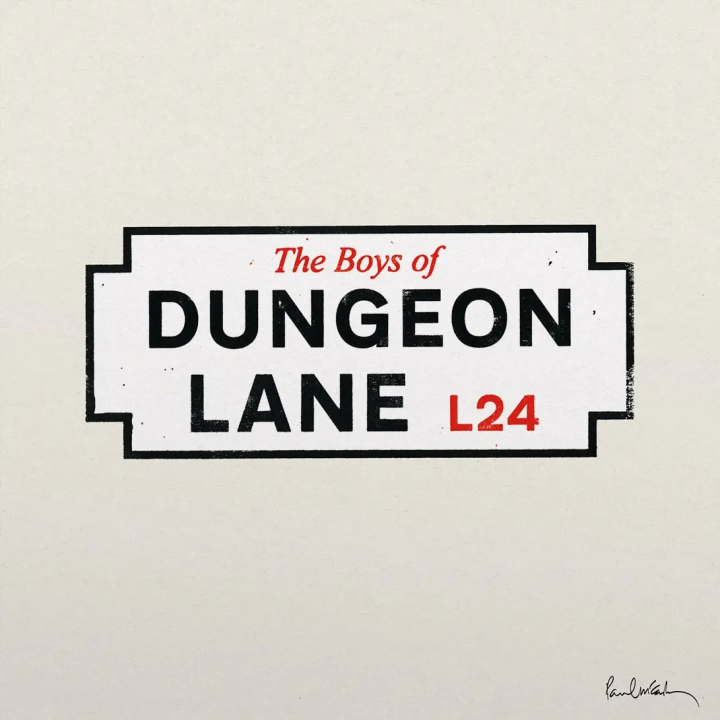
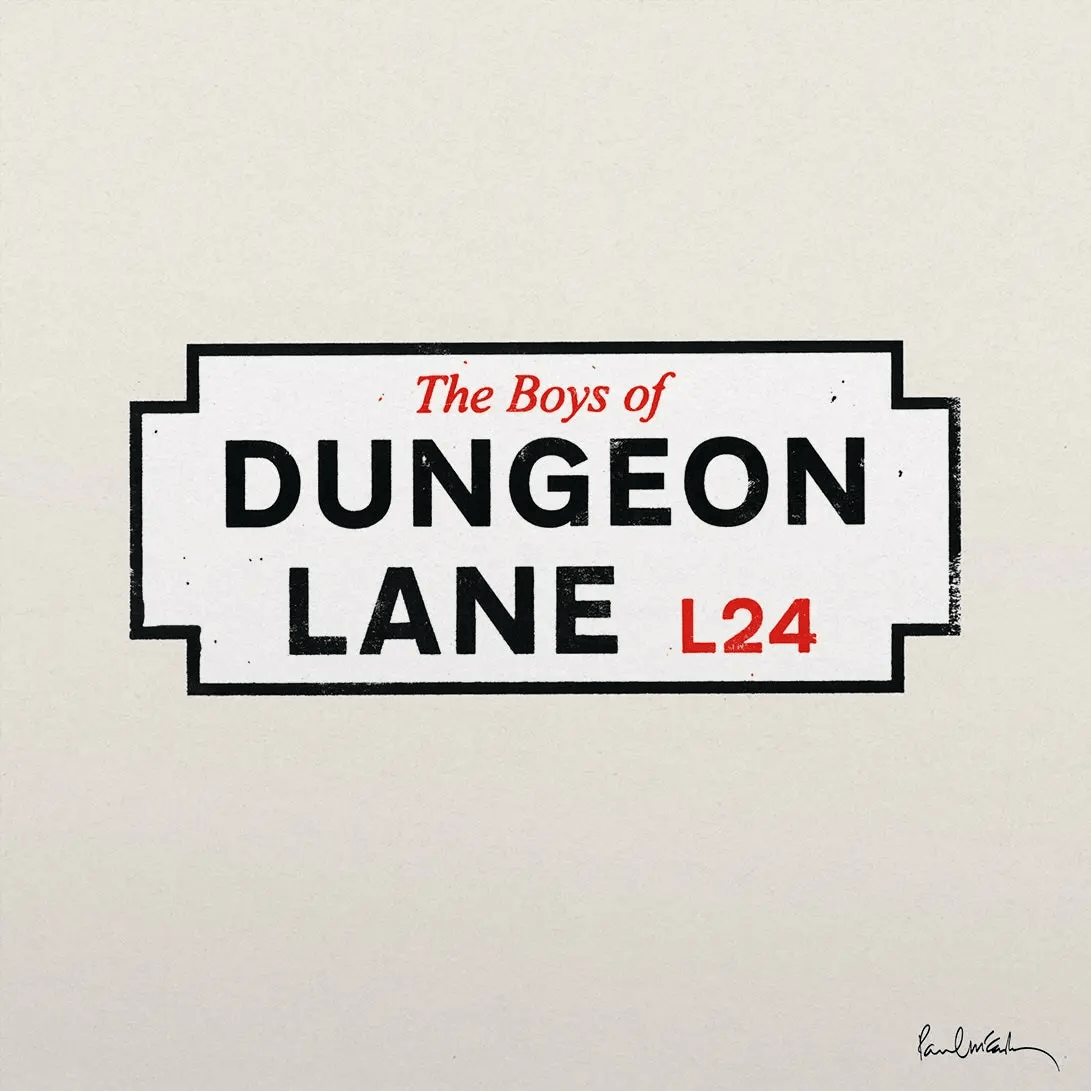
Well, with The Boys of Dungeon Lane, released in late May, Paul McCartney has at least made a pretty solid solo Paul McCartney record. From its title down, the album has been smartly branded as the sound of the once and forever Beatle, who has just turned 84, wistfully casting an eye back over his youth. This is indeed the case on some tracks – “Down South,” “Days We Left Behind,” “Home To Us” fondly recall, respectively, George Harrison, John Lennon and Ringo Starr, who sings and plays drums on the last – but it doesn’t really take into account the album’s forays into lustful prog-rock (“As You Lie There”), playful psychedelia (“Mountain Top”) or its several silly love songs.
McCartney composed “Eleanor Rigby” in his mid-twenties, a devastating account of old-age loneliness. He wrote “Here Today,” a misty-eyed memorial to Lennon, in 1982. The Boys of Dungeon Lane is McCartney acting his age only in the sense that the sentiment that was always present in his music feels more supercharged now that his voice has thinned out and his innate pink-cheeked boyishness is rubbing up against all that gray.

That voice works better on record nowadays than it does live, where McCartney’s role is more ceremonial: to be the living embodiment of the Beatles for two hours. Yelping through “Drive My Car” and “Ob-La-Di, Ob-La-Da” in vast sports arenas has become a kind of prison that he will not be able to escape, should he even wish to. It is unlikely any of the songs on the new album will trouble his setlist for long.
Paul Simon and Bob Dylan have a little more room for maneuver. Seeing them perform live these days is to see artists continuing to mark the life stages they are living through much as they always have. Now 84, on his recent visit to the UK Simon played all of his most recent album, the meditative Seven Psalms, and then a selection of older songs in more subdued arrangements necessitated by the almost total hearing loss in his left ear. No “You Can Call Me Al” or “Late in the Evening,” then, but something more contemplative. Simon is also alone among his peers in that he has the hair – or absence thereof – of an old man.
Likewise Dylan, who recently turned 85, can continue to write and perform convincingly into his ninth decade because he never projected the voice, the looks, the worldview of an age-specific artist. The sulphuric End Times impressionism of his most recent work feels like a natural evolution. “Dylan has always been a very dark writer,” Mick Jagger once told me. “‘John Wesley Harding’ sounds like the work of a much older man.” This was back when the Stones singer was a mere sixtysomething stripling. During the same conversation, I asked Jagger whether he would ever consider making a pared-down ruminative album that perhaps better reflected the fact that he was closer to the end of his life than the start. “People like that sort of thing, don’t they?” he said, flapping the idea away. “I’ve actually been asked to do a record like that – I’m not sure if I could keep it up. It might be nice for a few songs, but I don’t think a whole album of that is going to amuse anyone. In a way we’re in a bit of a pioneer area, because pop music doesn’t really deal with that as a major topic. I write what I feel, to be honest, and if it’s sometimes a little bit immature then maybe that’s what I’m like some of the time.”
Jagger is now 82, and such a record has yet to appear. I very much doubt the next Stones album will change that fact. The stars of the 1960s, now in their eighties, are simply busy being the best versions possible of the artists they have always been.





Comments