
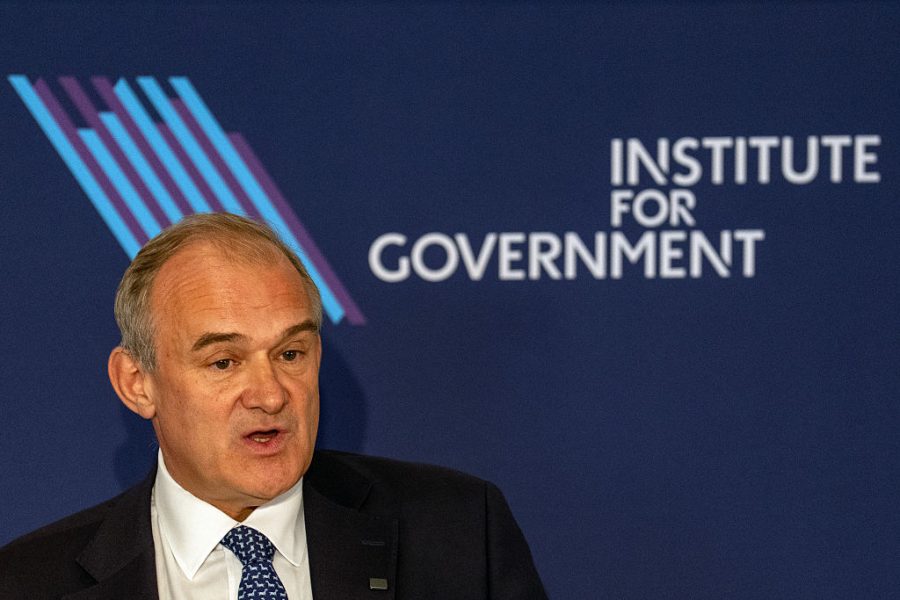
For almost a century, first the Liberals and now the Liberal Democrats have had to consign themselves to being the third force of British politics. This minor status though can conceal the party’s rich history of contributing to broader intellectual thought. David Lloyd George, John Maynard Keynes and William Beveridge are the classic cases; Matthew Taylor and Tim Leunig are more recent examples. A raft of current government policies have their roots in Liberal policy papers. Devolution, Bank of England independence and the pensions triple lock were all proposed in various Liberal manifestos, years before being enacted into law. Indeed, it was John Cleese who ruefully reflected in the party’s 1980s adverts that the public overwhelmingly liked their policies – until finding out that they were proposed by the Lib Dems.
The Lib Dems have always struggled to compete for cash
More recently, though, the party has moved away from big debates around philosophy and innovative public policies. The 2004 Orange Book remains the last seminal work published. Since the Coalition years, most of the party’s energy has been directed at stopping Brexit and then focusing on a handful of voter-friendly priorities.
It has reaped rich dividends and the party now has 72 MPs – the greatest haul since the days of Lloyd George. But even some of these privately concede that much of their success was due to being the best ‘anti-Tory’ outlet in their local area. Two years after the general election, some MPs are increasingly getting restless at the lack of proper thinking and debate on the party’s purpose and direction. One way to address this problem would be via a sympathetic think tank aligned with the party’s aims. As one MP puts it: ‘The Tories and Labour have their think tanks, even Reform have one now. Why can’t we?’
Representations have been made to the leadership. One aide acknowledges that the party has been very strict on messaging in recent years. Advice to MPs has been to solely focus on a handful of issues like sewage and ambulance times, rather than champion tracts and texts. There is the issue of funding too. The Lib Dems have always struggled to compete for cash and there is a natural wariness from elements of the party machine to support anything that could divert funds. On balance though, Sir Ed Davey and his team are supportive of the idea. Expect to see an announcement in the coming months – potentially timed for the party conference in Brighton this September.





Comments