

I loved my mustache. Unfortunately, my fondness for it seemed inversely proportionate to its popularity among my peers. After much unsolicited feedback from friends (“You look like a young Peter Mandelson”) and online strangers (“You look like a 1970s porn star”), I put a poll on my Instagram asking my followers whether or not I should scrap it. Four-fifths said I should. After a brief consideration of my options (ignore the results? Rerun the vote? My mustache was making me think like a Latin American dictator), I reluctantly shaved.
God how I miss it. There is something intoxicating about a mustache – a small hedgerow on his top lip can convince even the dowdiest man that he looks like a Battle of Britain pilot.
The word “mustache” is French, deriving from the ancient Greek
“mustax,” meaning ‘upper lip’. The earliest ’tache evidence comes from the 27th century BC, with a statue of Prince Rahotep of Ancient Egypt bearing an uncanny resemblance to a Puerto Rican spiv. Like my mother, the Romans thought mustaches a sign of barbarism and cultivated a clean-shaven look to differentiate from the Gauls and Celts.
In medieval Europe, the mustache served as a symbol of martial prowess, from the Sutton Hoo helmet to the Black Prince’s tomb in Canterbury Cathedral. The 18th century saw a continent-wide mustache boom, encouraged by Peter the Great’s “Beard Tax” that forced Russians either to shave their traditional long beards or pay a fee.
Changes in fashion could be swift. Only one MP in the 1841-1847 parliament sported facial hair, but mustaches were all the rage during the late Victorian period. Until 1916, no enlisted British soldier was allowed to shave their top lip. For a generation scarred by the trenches, ’taches became an out-dated symbol of militarism. A certain Austrian postcard painter hardly improved their reputation. But after a moped accident left Paul McCartney needing to cover a big scar, Sgt Pepper’s Lonely Hearts Club Band rehabilitated the ’tache as the peak of cool.
Debate still rages over their attractiveness. A 2001 study found mustaches correlate to the marriage market, sprouting up whenever ladies are in shorter supply. But while a University of Chicago investigation found female students thought mustaches made men more handsome, another by the University of Wyoming found a preference for the clean-shaven look. How can men be expected to get a date when we don’t have reliable data?
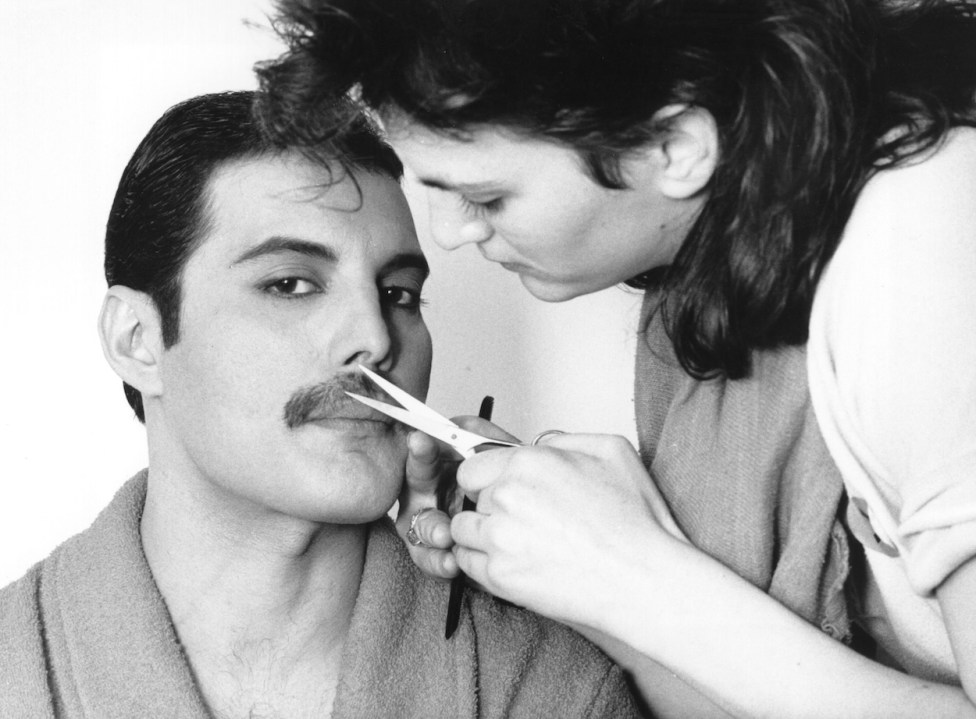
Under the broad umbrella of “mustache” comes all manner of styles. The World Beard and Mustache Championships features six major sub-categories, ranging from the stout Hungarian to the thin and styled Dalí. Other styles include the “Pornstache” of Freddie Mercury and the bushy Walrus, the choice of great men such as Albert Einstein and David Boon, the Aussie cricketer who once drank 52 beers on a flight from Sydney to London.
It was Boon’s native country that gave the world “Movember.” In 1999 – and, perhaps unsurprisingly, in a pub – a group of mates came up with the idea of growing mustaches for charity. Since then, “Movember” has raised more than £500 million and funded 1,200 projects focused on prostate cancer, testicular cancer and suicide prevention.
So mustaches have undeniably done some good. That’s as good an excuse as any for me to grow mine back come November.




Comments