It is repeatedly pointed out – I have probably written it myself – that the triple lock on the state pension is ruinous. There is a genuine difficulty, though, political and moral, about getting rid of it. No one likes to lose a benefit they already possess. The abolition will annoy 99 per cent of its recipients, of whom there are 13.2 million. Besides, we pensioners have retained a traditional skill almost entirely lost to younger generations, called voting. We know how to go to a polling station and put a cross on a ballot paper. We therefore have the power to slay any party we think is making us poorer. The Tories invented the triple lock. If they abandoned it, they would be hit even worse than Nick Clegg was hit when he reversed Lib Dem policy against tuition fees as the price of coalition. That is the political argument. The moral argument is that pensioners feel they have earned their pension. This is not literally the case, because the National Insurance we have paid in our working lives is not, in reality, insurance. Our pensions come out of current funding. Morally, however, we have earned it by working, and it is not, even triple-locked, outstandingly good. I suggest opposition parties would be wise to hold off and let Labour trip up on the triple lock. By freezing tax thresholds, it will soon tax pensioners on their triple-lock gains because their income exceeds the £12,570 tax threshold. In his speech to his party conference on Tuesday, Andy Burnham tripped. He said the triple lock will be sacrificed to pay for his scheme for a social care service modelled on the NHS. Many millions receiving, or about to receive, a pension will now fear losing the clear financial advantage of the triple lock in exchange for the highly uncertain, undated promise of state-provided social care.
The railways are trundling back towards nationalisation, to shouts of joy at the Labour conference. Rail privatisation has many faults (Margaret Thatcher always fought shy of it because of monopoly problems: it was introduced by John Major after she left office), but why should complete state control improve the service? Under nationalisation from 1948 to 1995, British Rail failed to expand passenger journeys significantly. In 1950, there were roughly 32 billion passenger kilometres travelled. By 1994, that figure had fallen slightly to just below 30 billion, despite that fact that the population had increased by nearly 9 million. Since privatisation – except, unavoidably, during Covid – passenger kilometres have shot up, roughly 63 billion in the latest annual figure.
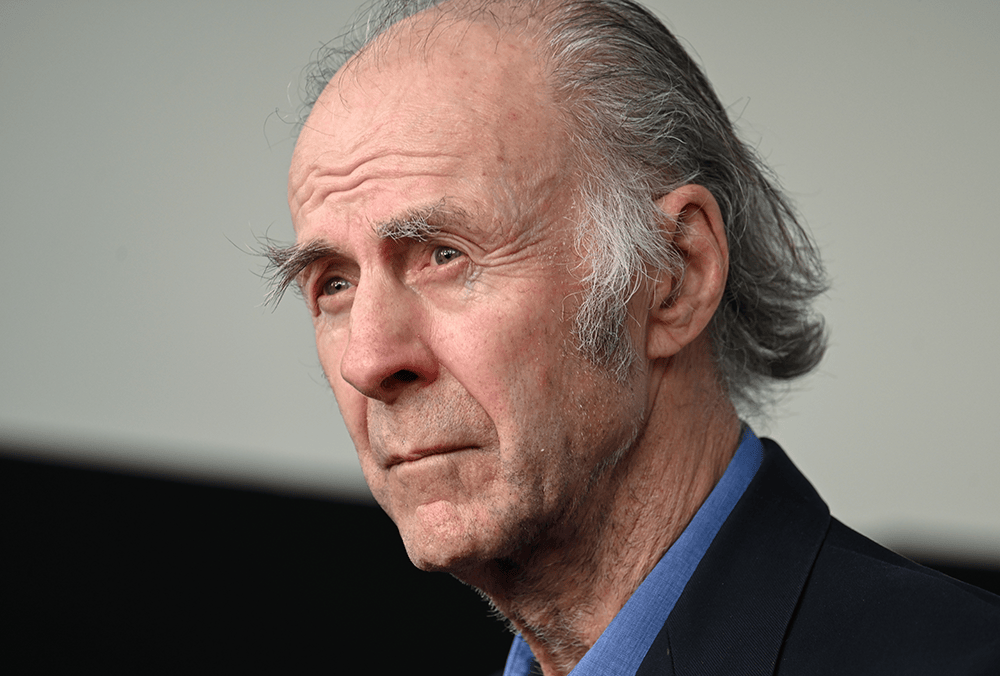
The Daily Telegraph’s scoop about the distressing circumstances of the great explorer Sir Ranulph Fiennes is remarkable. If a famous, well-connected man can be so cut off from the outside world by his second wife in a succession of care homes, what must be happening to thousands, without powerful friends, in a similar situation? The story reminds me of a hunch I had ten years ago. Until then, Sir Ranulph had been a gentle supporter of hunting, allowing hunts on his Exmoor farm, and speaking in Westminster for the Countryside March. Suddenly, in 2016, he denounced hunting. In advance of a Tory conference fringe meeting organised by the League against Cruel Sports (LACS), he was reported as being about to say that his mind had been changed by discovering a fox on the couple’s Cheshire farm that had been injured during a hunt: ‘After my wife and I saw the fox’s injuries, we called the vet. We laced food with medicine… to prevent infection setting in from bites to her rear.’ The vixen later died. ‘The Cheshire Hunt chased that fox before our eyes and she took six days to die,’ he said, ‘Do not believe hunters when they say the fox has a quick and painless death… You try being chewed to death by hounds.’ This sounded inauthentically ignorant to me. Sir Ranulph would have known that hunted foxes were never ‘chewed to death’. One hound is bigger than one fox. A pack of hounds is 30-strong. In fox-hunting (now banned in Britain), the lead hound kills the fox almost immediately with a bite to the back of the neck. The animal is torn apart, but only when dead. It is also – as I have often witnessed – all but impossible for a fox to escape from a pack wounded. A fox can often evade its pursuers, but only if it is not wounded and therefore fit. Any ‘chewed’ fox that the Fienneses found must have been bitten in a fight with another fox, a badger or (less likely) a dog. Sir Ranulph’s phrases, like ‘the so-called tradition of terrifying wild animals for pure enjoyment is now, as it always has been, a brutal and insupportable self-indulgence’ sounded ventriloquised. Checking on what he said in 2016, I notice that contemporary press accounts report only the pre-briefing, not the meeting. In a strange TV interview, he appeared to read out a prepared script. It is not clear to me that Sir Ranulph actually delivered his fiery speech in public. Was he, even ten years ago, under some sort of control?
His name is still being used. A Facebook page called ‘Sir Ranulph Fiennes’ is reposting numerous accounts of alleged violations of the Hunting Act as recent as last month, all in the heated and inaccurate language of antis (e.g. calling hounds ‘dogs’). Sir Ranulph, cognitively frail and confined in care homes for two years, surely cannot be doing this. ‘Sir Ranulph Fiennes’ cannot be Sir Ranulph Fiennes. Friends from the south-west say that Sir Ranulph was most unhappy to leave Exmoor to support his wife’s 60-odd Arab horses on the Cheshire farm, but worried he might lose access to their daughter if he did not. Apparently his first wife’s memorial stone is on the Exmoor farm, and his own name is on it too, awaiting his death. ‘My name will always be there,’ he told friends. His situation is strange and sad. A Fiennes friends and family WhatsApp group seeks a legal challenge to the lasting power of attorney in this case, to release the prisoner.




Comments