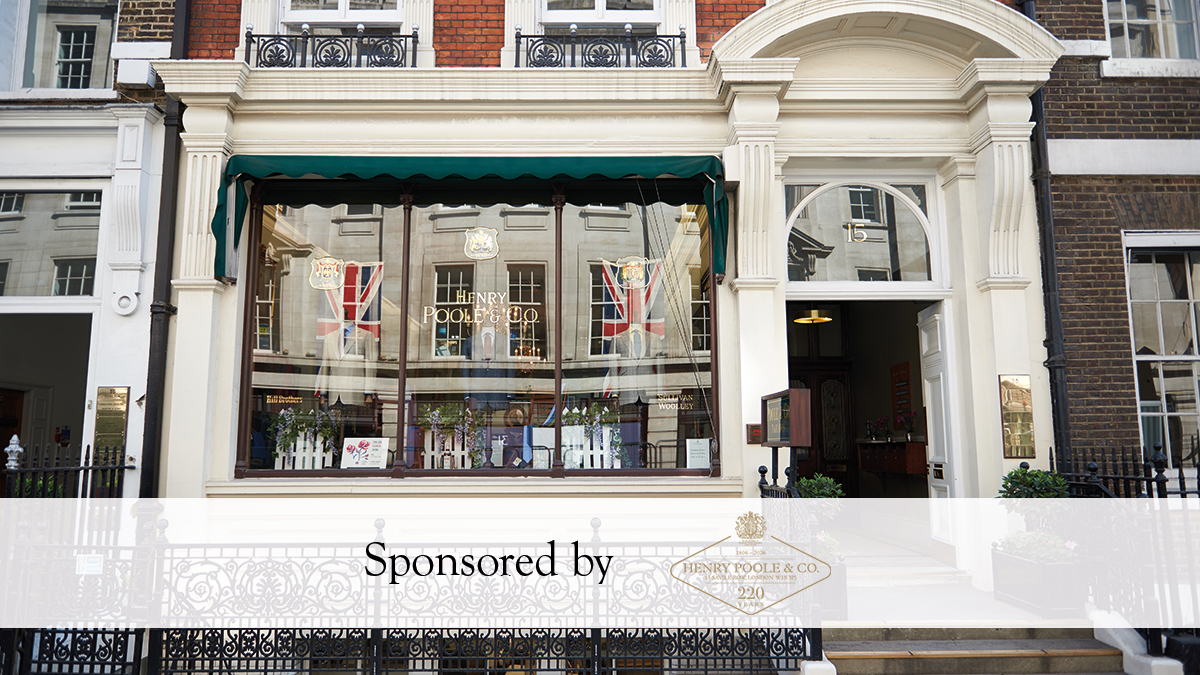
As Henry Poole & Co celebrates its 220th anniversary, we reflect on the people, patronage and craftsmanship that have shaped our house since 1806.
James Poole was born in Shropshire, around 1782. In January 1806, he arrived in London at a moment of national mourning. The funeral of Horatio Nelson had just taken place, and the capital was filled with the splendour of naval and military dress. Establishing himself in Everett Street behind Bloomsbury Square as a linen and mantua draper, he quickly turned his attention to military uniforms. The exquisite quality of his work brought him to prominence, and he became known for producing finely cut, regulation-perfect uniforms at a time when precision and presentation were paramount.
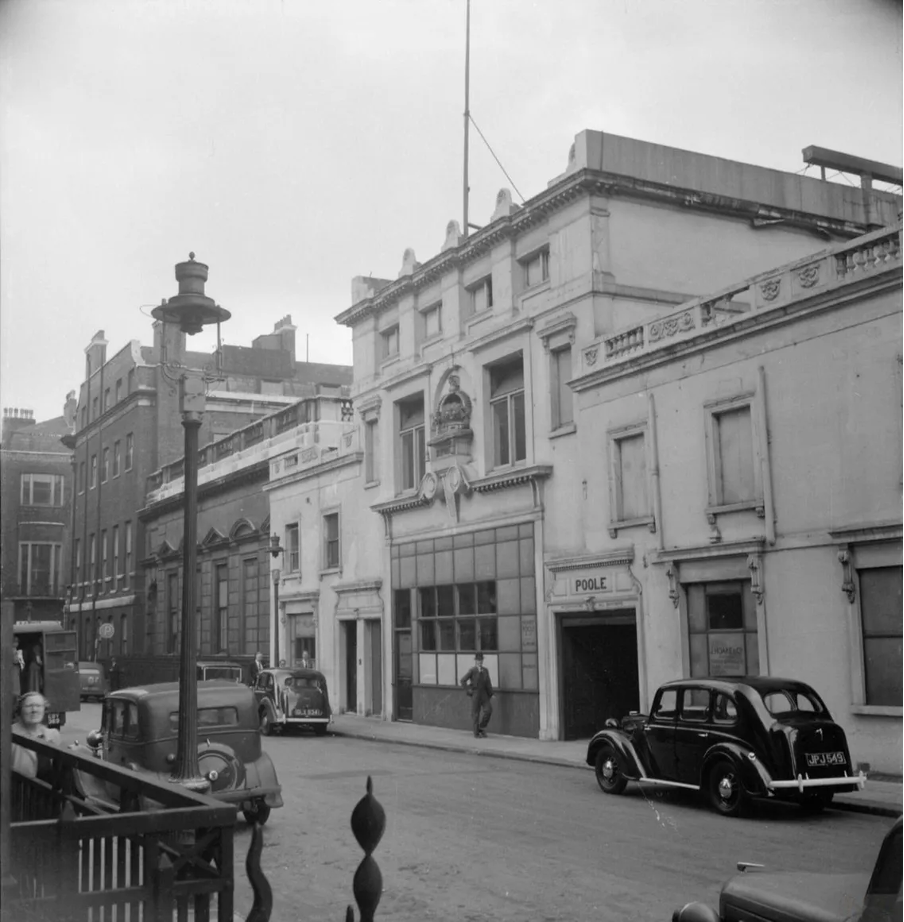
Military dress required exacting adherence to detail, proportion and hierarchy. These disciplines became embedded in the house style. As demand grew, the business expanded westward. A move to Regent Street marked his first W1 address, followed by relocation to Old Burlington Street, edging closer to St James’s and the centre of court life. By his death in 1846, James Poole had established a respected military and court tailoring house, laying strong foundations for his son, Henry.
Henry Poole combined craftsmanship with sharp commercial instinct. Savile Row at that time was not yet synonymous with tailoring. It was home largely to doctors and surgeons. Henry recognised that anyone able to afford such expertise represented potential clientele. In a bold strategic move, he reoriented the business to open directly onto Savile Row, positioning the house in the path of an affluent and discerning audience. The decision proved transformative. Expanding across 36, 37 and 38 Savile Row, Henry Poole would come to occupy nearly a third of the street.
While maintaining the firm’s military excellence, Henry cultivated the aristocratic sporting set with charm and charisma, strengthening relationships through personal connection as much as sartorial skill. Among his most celebrated patrons was the then Prince of Wales, later Edward VII. In 1865, the Prince placed an order for a short silk smoking jacket with matching trousers, recorded in our archives as the earliest example of the modern dinner suit, a garment that would redefine formalwear around the world.
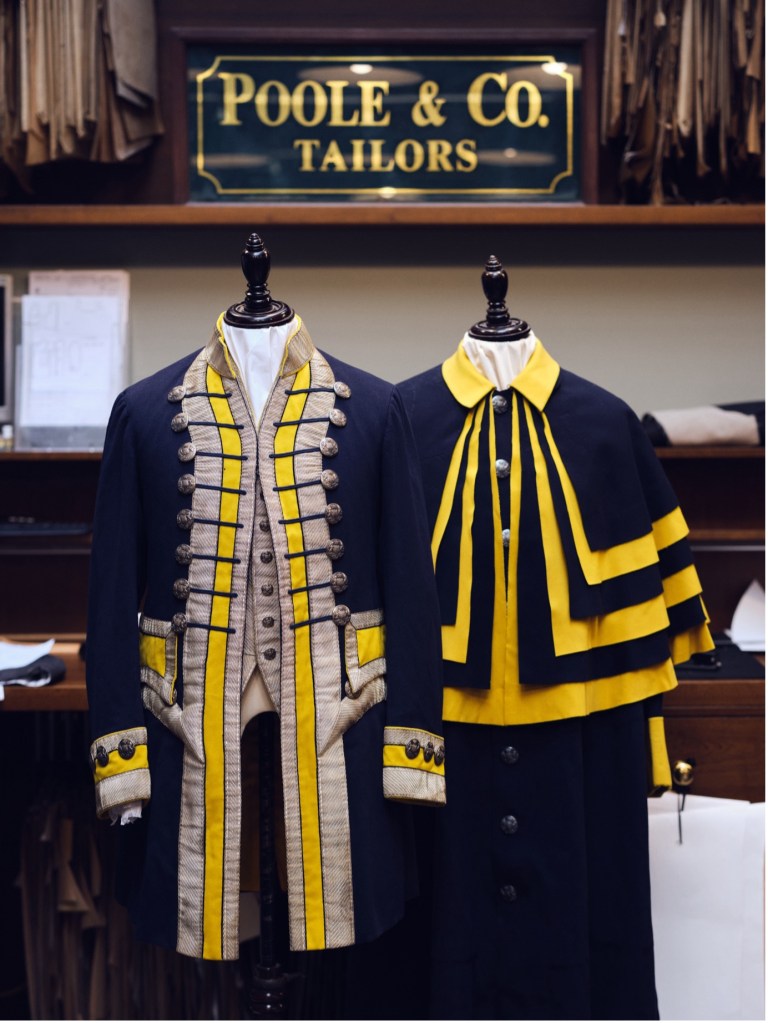
In 1876, Henry established a dedicated livery department on the corner of Clifford Street. Employing between 50 and 70 artisans, it produced everything from stable jackets to elaborate state liveries for Britain’s great households, including families such as that of the Marquess Camden. In an age before the motor car, status was displayed through one’s equipage, horses, carriages and servants turned out in magnificent heraldic dress. Each livery was entirely bespoke, incorporating household colours and hand-worked braids in gold, silver and colourful worsteds.
Following Henry’s death in 1876, the business passed to his cousin Samuel Cundey and later prospered under Howard Cundey’s stewardship. By 1914, Henry Poole & Co employed 14 cutters and more than 300 tailors, producing over 38,000 garments in a single year, an extraordinary testament to its scale and international standing.
Royal patronage has long been central to that standing. Over nearly two centuries, Henry Poole & Co has held more than 40 Royal Warrants worldwide, including that of the British Royal Household, maintained continuously since the reign of Queen Victoria. The firm’s first Royal Warrant was granted in 1858 by His Imperial Majesty Napoleon III, marking the beginning of a distinguished international clientele.
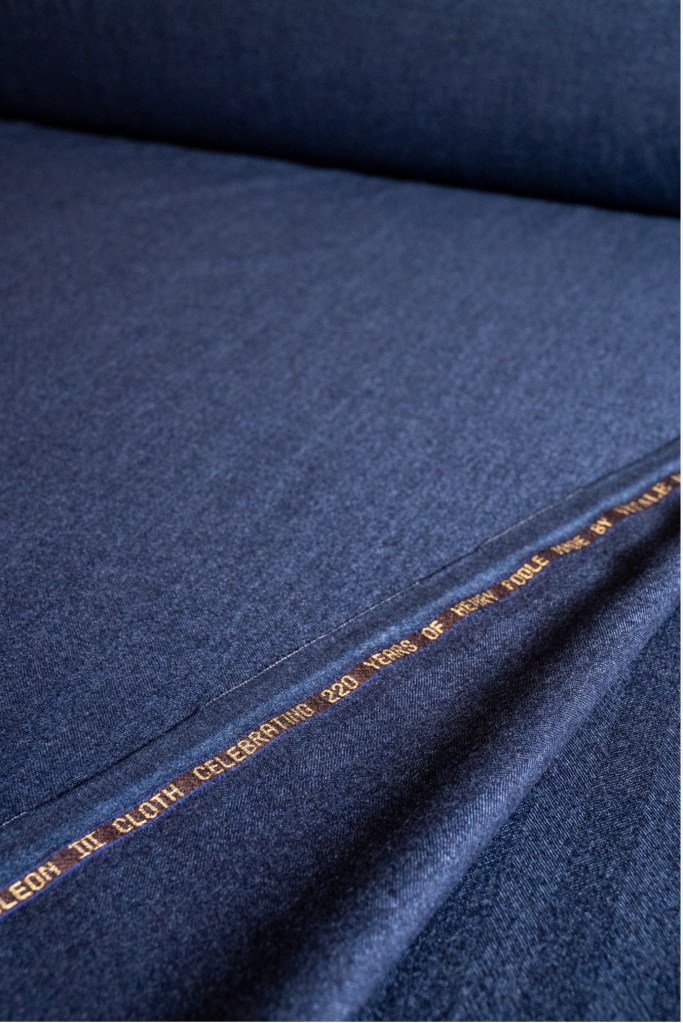
While studying the ledgers of the former Emperor’s orders, we were struck by a reference to a ‘Superfine Blue Silk Lined Coat’, a piece of striking simplicity and elegance, and a perfect parallel to Poole’s style of tailoring. Tracing the story further led us to Vitale Barberis Canonico, the original mill that supplied this superfine blue. Founded in 1663 in Biella, in the northern Italian region of Piedmont, the mill’s records revealed cloth orders placed in 1859 that correspond directly with entries in our own ledgers from the same year.
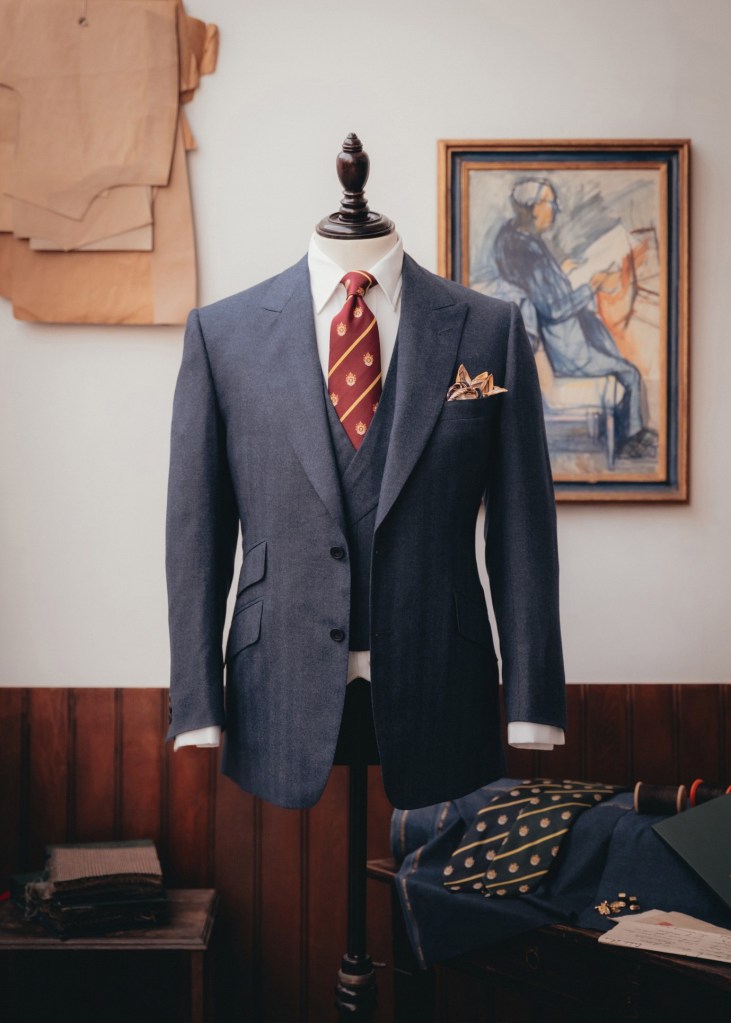
Working closely with Vitale Barberis Canonico, we have reimagined this historic superfine blue exclusively for Henry Poole. Together, our two houses represent 583 years of continuous craftsmanship. The result is a lightweight flannel featuring an extremely subtle herringbone, honouring the cloth’s heritage while expressing it in a contemporary way. Blending a soft pastel blue with a deeper RAF blue, the fabric captures the quiet authority and refined character that defined the original order.
From military uniforms in 1806 to Royal Warrants and the creation of the dinner suit, our history is one of precision, patronage and progress. Two hundred and twenty years on, Henry Poole remains guided by the same enduring principle: to combine tradition with innovation in the pursuit of excellence.
To find out more please visit henrypoole.com

Comments