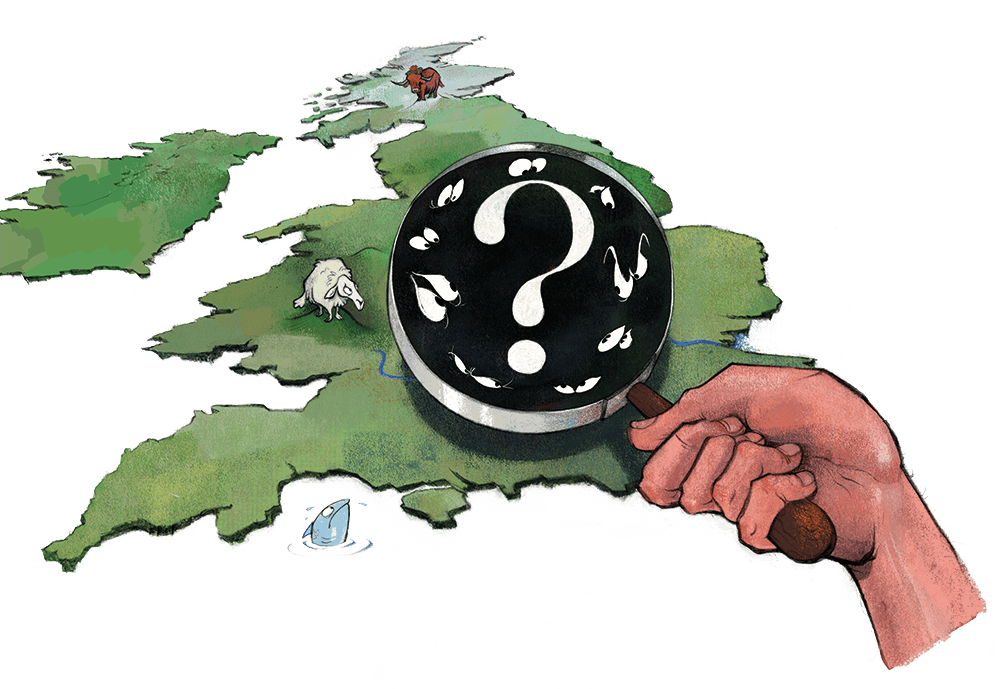
Fifteen years ago this week, I spent the day with the late Queen. She had come to Turner Contemporary, the gallery in Margate I helped set up and chaired for the best part of a decade. It was Remembrance Day. We had it all decked out, including a rest area containing a new sofa and drinks table. The protocol folk from the Palace didn’t seem to mind that it was the disabled loo. They did ask us discreetly to place a burly member of staff in front of an anti-monarchist punk sketch, as she walked past. Then it was on to lunch and three hours of chat. We breezed through my list of prepared conversation topics – from Downton Abbey (fan) to Boris Yeltsin (not a fan) to the forthcoming London Olympics (judgment reserved). When it came to my speech, I had my flash cards numbered and stacked. All was going smoothly until my Brezhnev moment. It took me a while to realise I had just repeated a page. ‘Wrong pocket, was it?’ asked Her Maj with a twinkle, as I returned, chastened, to the table.
November 9 marked 37 years since the fall of the Berlin Wall. I was the Telegraph’s first – and last – correspondent to the German Democratic Republic. My flat on Leipziger Straße was so close to Checkpoint Charlie that only trusted comrades, plus the odd foreigner, were permitted to live there. In that period, from East Berlin to Moscow, I had the fortune of bearing witness to the pro-democracy movements and the often random events that led to the downfall of a moribund system in which so many were tainted.
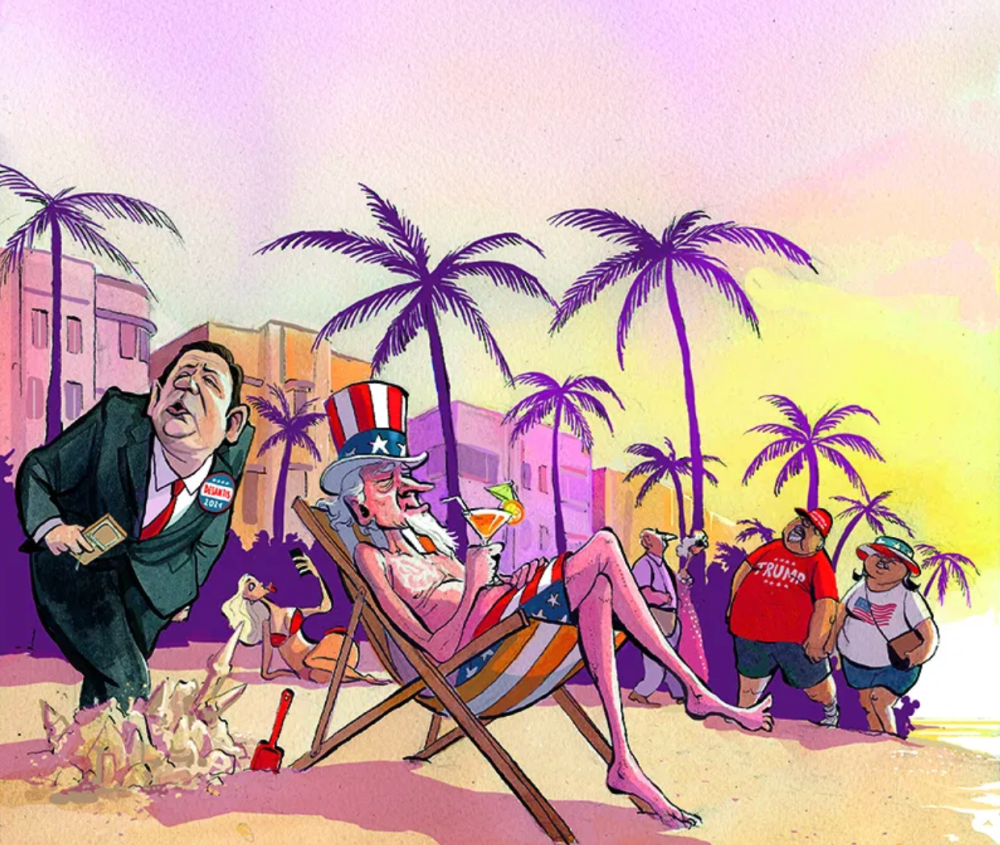
The central parts of Berlin, those on the eastern side of the wall, have been thoroughly gentrified. That’s why I live in Schöneberg, in the ‘Old West’, where David Bowie hung out in the 1970s. Whenever we have visitors, our Saturday morning itinerary starts with the Winterfeldtplatz market, one of the best places for fruit and veg. On our way, we amble past the many BDSM boutiques that have made the area the destination of choice for gay boomers.
Whenever Brits crow about Germany going down the pan, whenever Germans meckern (drone on) about their country going down the pan, I remind them of two achievements. This country has shed its complacent pacifism and is set to hit the Nato target of 3.5 per cent of GDP on military spending, far more quickly than the Brits or French. I also remind them that reunification took place without a drop of blood spilt. Sadly, there has been violence since, some of it directed at politicians. Last week, I found myself taking part in a debate on free expression in the city of Paderborn. One panel member was the former mayor of Cologne. On the eve of her election in 2015, Henriette Reker was stabbed in the neck and nearly died. She went on to serve the city for a decade. The perpetrator was a right-wing extremist. She’s defiant, telling me as we walk into the hall: ‘They’ve done it once, so by the law of averages I should be safe.’
Wherever you are in the world, the issue of immigration tends to shed more heat than light. I’m busily prepping for a Spectator debate next week in London: ‘This house believes that multiculturalism has failed.’ Proposing the motion, in the shy and retiring corner, are Suella Braverman and Melanie Phillips. In the opposing camp will be Sarfraz Manzoor and yours faithfully. Seconds out…
Over the past six months I haven’t been a paragon of green virtue. I’ve now done around 40 events in the UK and across Europe talking about my book Braver New World, in which I look at ten countries, each tackling one of our great challenges with boldness. I talk about Canada’s remarkable sponsorship system for migrants, which the UK is copying, to public housing in Vienna where yoga studios and children’s libraries are the norm, and to a health system in Taiwan where the average time to be seen by a specialist is 20 minutes and which costs far less than ours.
The solutions are neither left nor right, neither statist nor free market. It’s about what works. I visit a town near Yokohama in Japan where students get a half knocked off their rent if, on their way to and from university, they pop in on the elderly residents who live on the floor below them. It’s about resilience, imagination and courage. Keir Starmer provided a cautionary tale of mainstream leaders looking over their shoulders in fear. Has Andy Burnham learnt? My initial soundings are that he has. After all the clownery and self-inflicted wounds, for the first time in over a decade I feel cautiously optimistic about the UK.





Comments