The Fabulous Funeral Parlour ended with possibly the least necessary caption in TV history: ‘Filmed in Liverpool’. Whenever I go back there (quite often these days for family reasons), I’m struck all over again by how the whole city seems engaged in the production, distribution and promotion of Scouseness. Yet, even by normal Liverpudlian standards, the people in this old-school, narrator-less documentary put in an impressive shift.
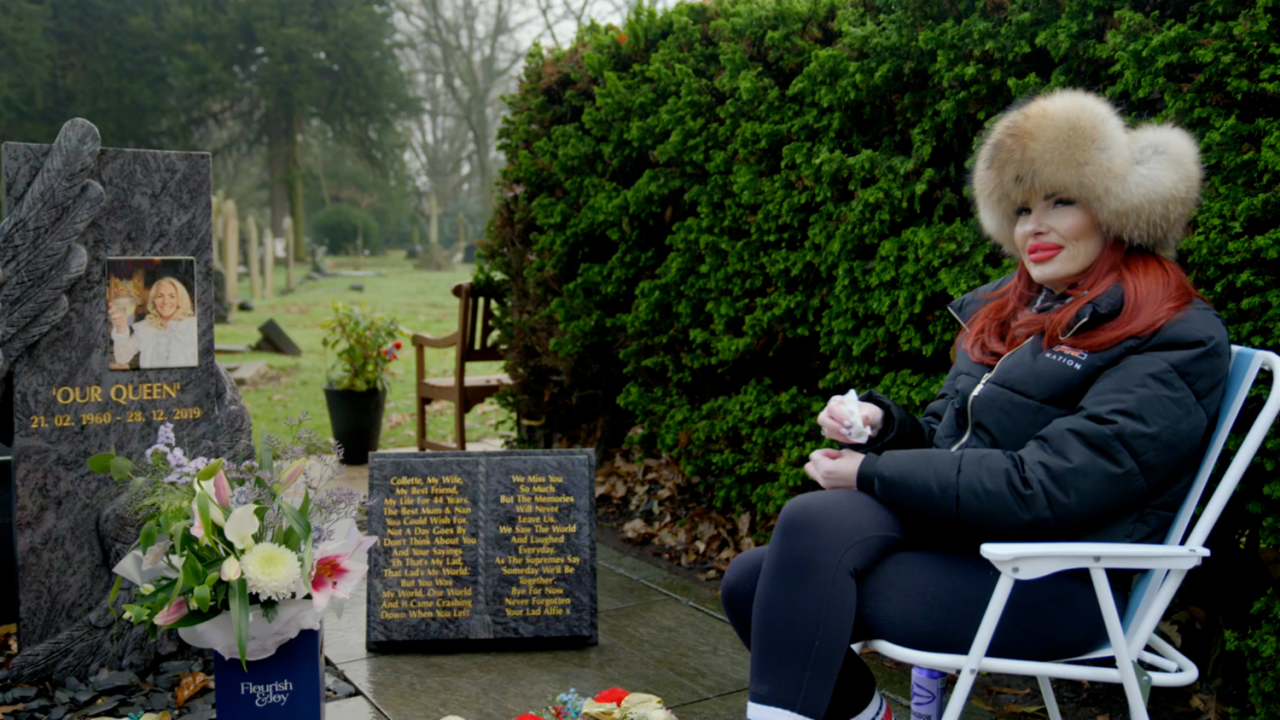
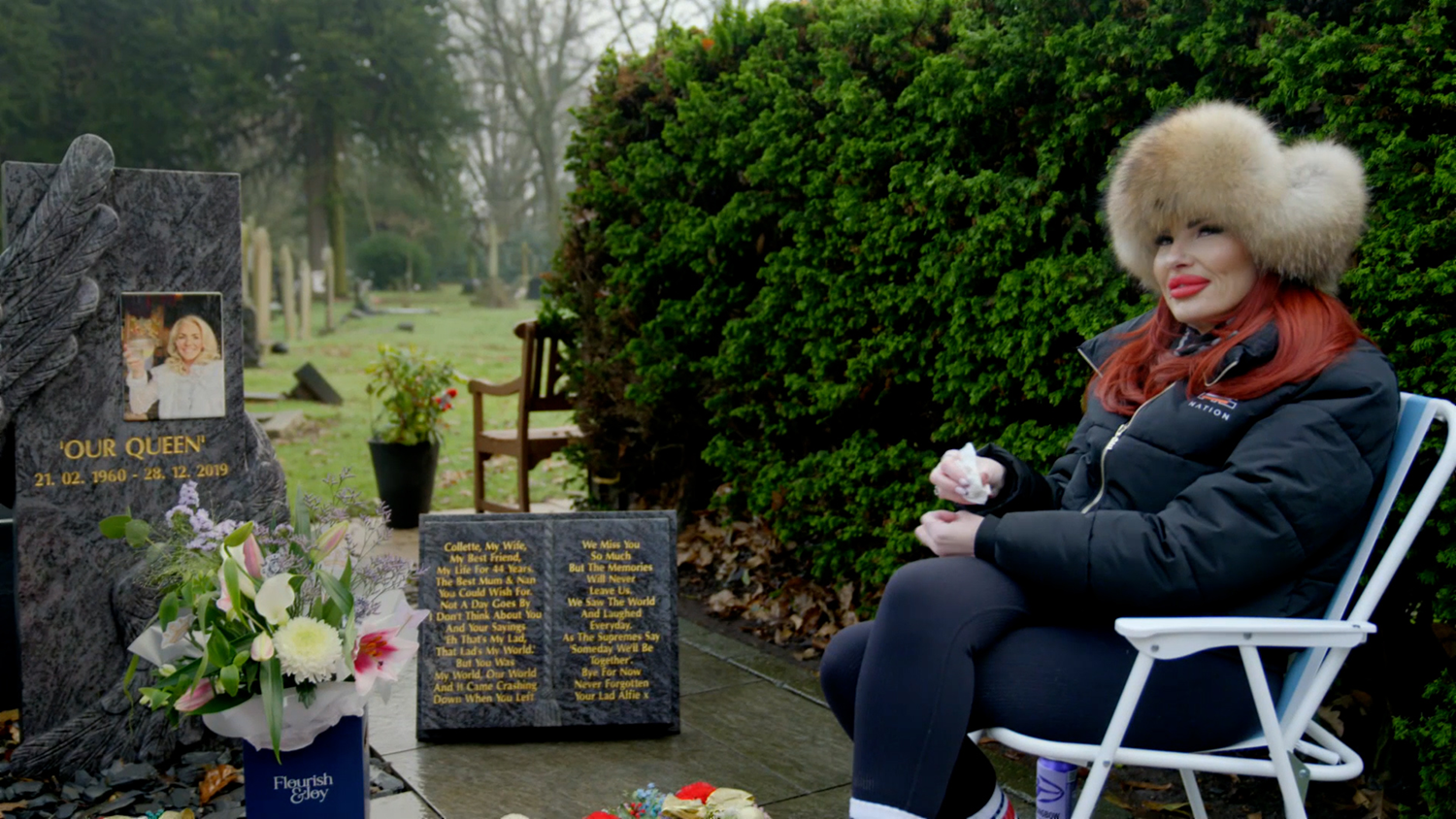
Leading the way was Hayley, the owner of both the parlour in question and, despite fierce competition, the most extravagant trout pout we saw. Hayley’s mother died five years ago aged 59, and it was then that she decided to set up Butterflies Rising Funeral Care. She told us why while sitting beside her mum’s spectacular grave, which had angel wings, the words ‘Our Queen’ and a novella-length inscription in the most purple of prose. As someone who’s always liked to look after people, Hayley explained, she wanted to ensure that deceased and bereaved alike are treated with bespoke warmth.
‘I’ll just top up your lippy,’ Hayley told one corpse before the horse-drawn carriage came to take her away
For that reason, families can select any phrase they particularly associate with the person who’s ‘asleep’ to go on the coffin nameplate – which on Wednesday’s programme included an inevitable ‘You’ll never walk alone’ and a rather more unexpected ‘Fucking shut up, Gary’.
The relatives can also make sure the departed is properly attired. For the only man featured in the programme, this duly meant a ‘tracky’. For the women, all of whom turned out to be middle-aged glamour pusses with daughters to match (young women of the kind known in Liverpool as ‘Scouse prinnies’ – short for princesses), it meant sexy clothes, with immaculate make-up, hair and nails, and the highest heels that the coffin-size allowed. ‘I’ll just top up your lippy,’ Hayley told one corpse before the horse-drawn glass carriage came to take her away. ‘And you’ve got your vape.’
Those about to die can also make requests in advance. Marion, for instance, opted for a glittery top on the grounds that ‘you can never have enough sequins’ and the ‘most extreme’ lip plumper she could find – one where the slogan on the box read: ‘Pout like a b*tch.’
What was striking through all of this wasn’t just Hayley’s obvious kindness, her clients’ obvious gratitude and (let’s face it) the fierce Scouse commitment to sentimentality, but the way everybody concerned took life after death as a total given. ‘I’m going to miss my phone so much when I get up there,’ said Marion. ‘He wanted to be back with me mum and [sister] Stacey looking after them again,’ said the tracky-wearer’s daughter.
The Fabulous Funeral Parlour, directed by Lydia Noakes, observed everything that went on without editorialising. Its palpable sense of wondering admiration, however, became increasingly infectious. The result was one of those documentaries that quietly reveal – at least to most of us, I suspect – a completely hidden world; in this case, one that often felt (let’s face it, again) both strange and anthropologically fascinating, but that ultimately proved pretty stirring.
And so did the first two episodes of Secret Genius, yet another show presented by the all-conqueringly traitorous Alan Carr. Both began with the weird assertion that ‘Across the UK, there are estimated to be a million undiscovered geniuses’ (citations, clarifications and definitions surely needed). But they soon settled down into a sort of kindly talent show for people whose cleverness has been a purely amateur endeavour up till now.
The contestants, mostly nominated by impressed family and friends, compete in a series of tests designed by Mensa that are undeniably hard but that don’t, on the whole, make for great spectator sport in themselves. Luckily, this doesn’t matter much, as, simply by getting them done, these perfectly chosen underachievers are given a touching chance to shine.
Take Ollie, a 32-year-old single mother who works in an ambulance crew and proclaims herself, perhaps not inaccurately, ‘really common’. Ollie didn’t do well at school, but was famous on the estate where she grew up for memorising 60 or 70 registration plates of the cars there. Now, she’s equally adept with patients’ mobile phone numbers and dates of birth. ‘My stomach feels like it’s about to fall out of my arse,’ she noted before one task – which, as usual, she nailed with aplomb, but also much to her own amazement. And the same applied to most of the other winners (and near misses): their astonishment at being proved clever remained largely unabated no matter how often it happened.
If you wanted, I suppose, you could see Secret Genius as a savage indictment of the class system and British education. Personally though, I’d recommend simply enjoying how well it performs the two noble jobs it’s set itself: to fight its contestants’ wildly unjustified lack of self-confidence and to warm its viewers’ hearts.



Comments