


I lasted all of five minutes with Netflix’s tasting menu-length Being Gordon Ramsay. This surprised me, because I’ve long had a bit of a soft spot for the irascible, crevice-faced, sweary old ham. I know that all reality TV is fake but I’ve always quite enjoyed watching carrot-top pretending to lose his rag yet again in some rat-infested culinary cesspit before transforming it, in the space of a month, into a Michelin three-star.
Ramsay no longer even pretends that his programs are anything more than extended plugs for his brand
But the dishonesty and contrivance and brazen commercialism of this autohagiography are just too much to stomach. Supposedly, a small film crew has been hanging around the Ramsay household for months, capturing the chef’s most intimate, unguarded moments. And guess which scenes made the edit. Yes: Gordon being a great dad with his toddler; the toddler saying – with no cattle prod at least visible on camera – how much he loves his dad and misses him when he goes away; Gordon stopping impetuously to offer his patronage to a new boutique café because he just can’t help himself supporting small businesses; Gordon going with his amused, adoring wife to visit the site of his most ambitious and exciting restaurant venture yet.
Ramsay used to be an entertainer and knew that that was his job. Now, it seems, he has become so Beckhamesque that he no longer even pretends that his TV programs are anything more than extended plugs for his brand. This is boorish behavior and insulting to the viewer. It’s akin to taking a girl you fancy to the Ritz and saying, just before she opens the menu: “Actually, I’m feeling skint and anyway, food isn’t what I really had in mind. Do you mind if we just skip to the shag stage?” Yes, Gordon. We do mind.
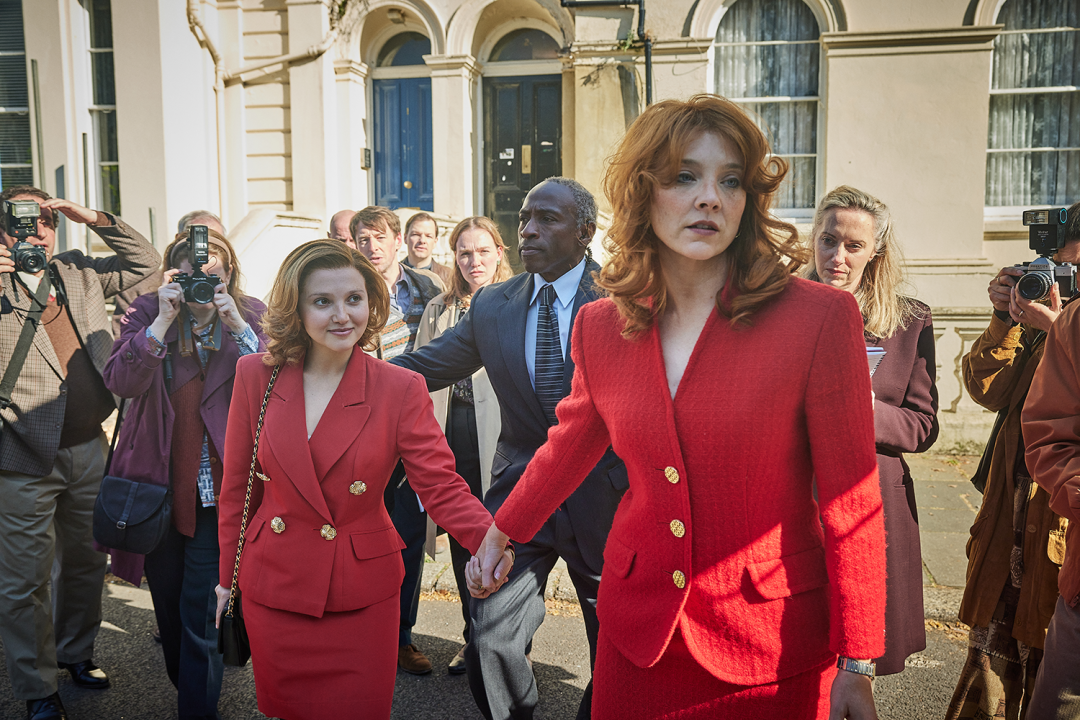
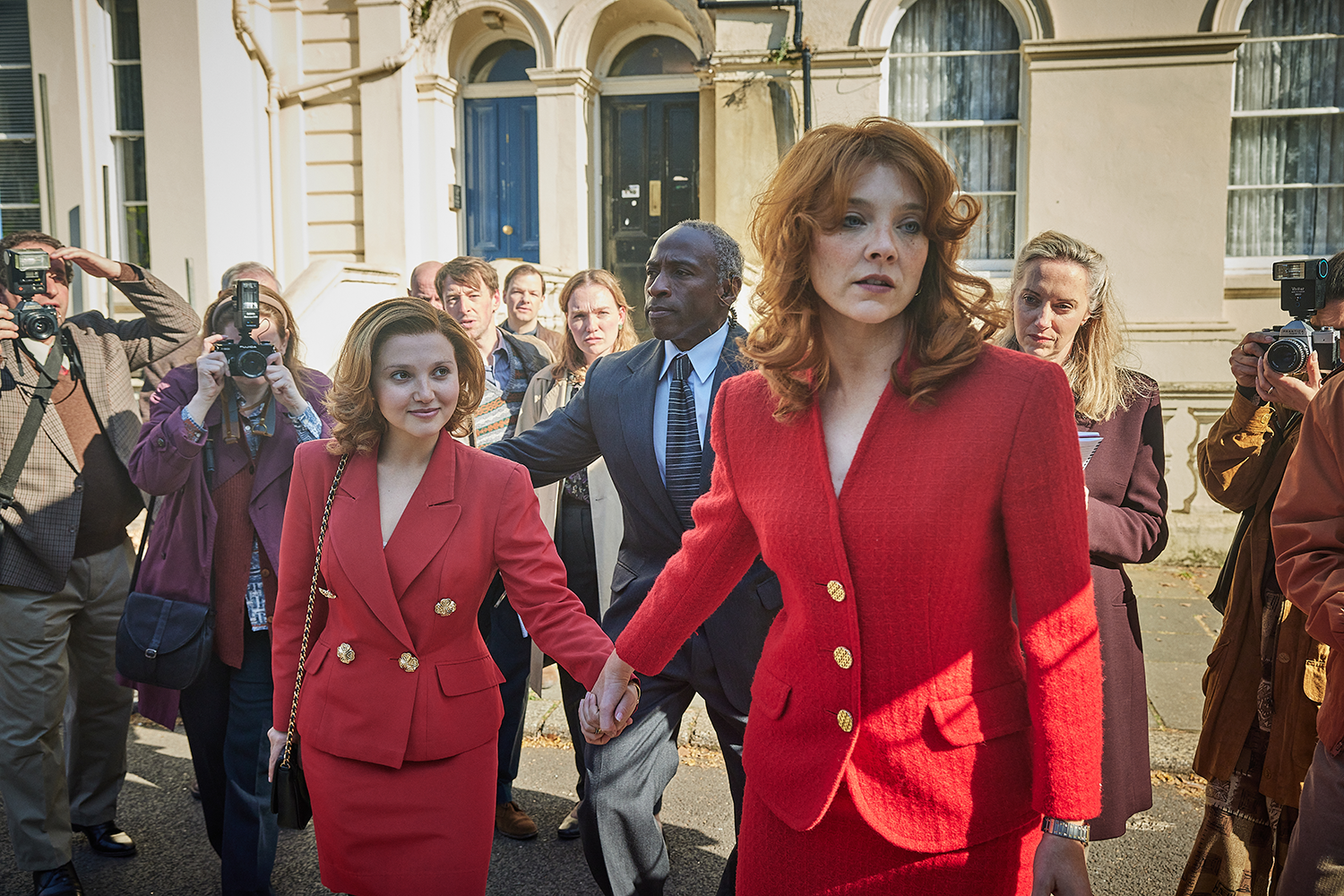
The Lady is one of those prurient true-life crime dramas you might feel uncomfortable about watching. “Haven’t they suffered enough already?” kind of thing. This one is about Jane Andrews (Mia McKenna-Bruce), the former dresser to Sarah Ferguson, who bludgeoned her boyfriend to death. It’s not my bag at all but, unlike Ginger Tosser above, it made a more than halfway decent effort to reel me in, which I appreciated.
It was presented as a sort of Eliza Doolittle story of a working-class Grimsby girl desperate not to end up packing fish like all her classmates. Fergie talent-spots her at interview, perhaps recognizing a fellow gimlet-eyed chancer on the make, and gives Jane her break. Jane repays this with unswerving loyalty and dedication, and by poshifying her accent and demeanor.

Interestingly – and fashionably, given the Epstein revelations – Fergie (Natalie Dormer) is played here not as a lovable, bouncy, ditzy author of crap kiddies’ books about helicopters but as vain, brittle, snobbish and ruthless. That’s the joy of mummers like the royal family: you can tinker with their characters to suit the mood of the times.
Although The Lady has been criticized in some quarters for being tacky and exploitative, I rather enjoyed its old-fashioned values and attention to detail. There was a blow-job scene in a Ford Escort by a slipway which I found grimly redolent of the era. And I enjoyed the witty, well-observed episode where Andrews is trying to sell some underwear in a lovingly recreated 1980s Grimsby M&S basement by reassuring her customers that Princess Di buys this sort of thing too, though not in this branch. Also, there were no equerries played by Idris Elba, or any of that nonsense – for which much thanks.
My rule “Always go for stuff with subtitles” is not proving as infallible as it used to be. Once the Germans used to produce work as distinctive, weird and uncompromising as Dark, Deutschland 83 and Babylon Berlin. But now, to judge by Unfamiliar, they are growing increasingly susceptible to the tedious tropes that have long been the ruination of most English-speaking drama.
Unfamiliar is about a couple of German deep undercover agents who, on an operation in Belarus 16 years ago, forcibly adopted the newly born daughter of a top Russian FSB agent who thought he had successfully poisoned the mother but hadn’t really because one of the Germans looped her to an emergency drip and saved her and pretended the baby was dead but it wasn’t. Now all these chickens are coming home to roost. Yes, the premise is that silly and convoluted.
Though it’s perfectly watchable, I found myself being irritated by certain clichés. Why, yet again, does the most capable operative have to be a lesbian? And why does the other most capable character – again female – have to be shown engaging in the kind of grueling hand-to-hand combat scenes (against a bloke) in which no woman would last more than a second because her fingers would break?




Comments