
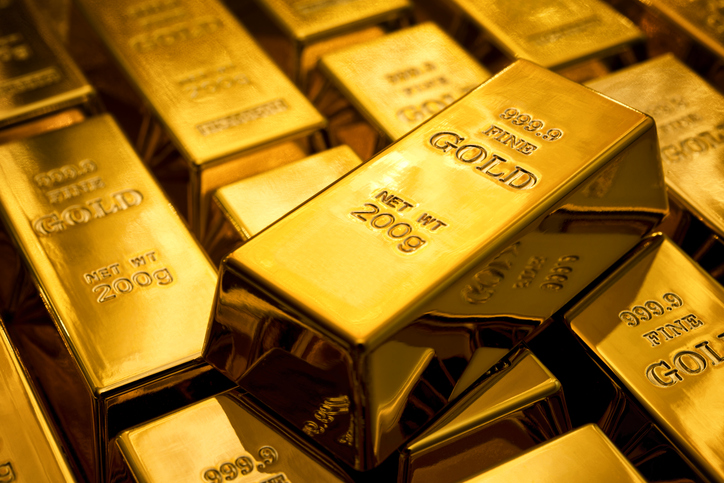
Anyone who thought that gold, the world’s oldest form of money, was a safe asset that they could tuck away and forget about has been through a rough few days. It has soared, then plunged, then soared again. Its price has been even more volatile than Bitcoin or one of the overhyped artificial intelligence stocks. Even so, amid all the noise, one point is surely clear: gold’s bull market is not over yet – and it is likely to recover very soon.
It has been quite a ride. After surging to an all-time record of $5,580 (£4,085) an ounce last week, gold tumbled by 9 per cent on Friday. It then fell by another 3 per cent as the markets opened on Monday, taking it back down to $4,554 (£3,334). Silver, its junior cousin, witnessed even more extreme price moves, hitting an all-time high of $121 (£88.60) an ounce on Thursday before falling back by 41 per cent over the next two days of trading. By today, both the precious metals had rallied again, with gold rising by 6 per cent and silver up by almost 10 per cent. Anyone with serious money invested in either will have had an uncomfortable few days.
The long-term case for gold is as strong as it has ever been
It is not hard to work out what has been going on, though. The bull market in both gold and silver was driven by worries about the stability of the dollar. If President Trump was planning to take control of the federal reserve and start wildly printing money, gold would be the only serious alternative. With the appointment of Kevin Marsh as the new chairman of the Fed on Friday, those fears have started to fade. Marsh is a serious and experienced banker, and although he is part of Trump’s circle, no one thinks he is about to trash the currency, at least not in the next few years. The dollar is secure as the world’s reserve currency for now.
Despite that, the long-term case for gold is as strong as it has ever been. Government deficits have been rising for years and show no signs of ever coming back under control. The US deficit will be more than 5 per cent of GDP this year, even though the economy is booming. France will borrow more than 5 per cent of its output, the UK more than 4 per cent, and even Germany has joined the debt party, with massive borrowing to fund spending on defence and infrastructure.
As long as governments continue to behave like that, there will be rising demand for what has always been the main alternative to printed money. The last few days have been a wild ride, and lots of the speculators and day traders who jumped on the soaring gold and silver price last week have been burned. But the long-term bull market in precious metals is as strong as ever – and that is not going to change any time soon.





Comments